
01
Weak Airflow
Reduced air movement can be linked to dirty filters, airflow restrictions or other system issues that need checking.
Comfort Systems helps Perth homes and businesses maintain split, multi split, ducted and commercial air conditioning systems through inspection, cleaning, airflow checks, outdoor unit care and preventative maintenance pathways. For local service information, see air conditioning Rockingham.

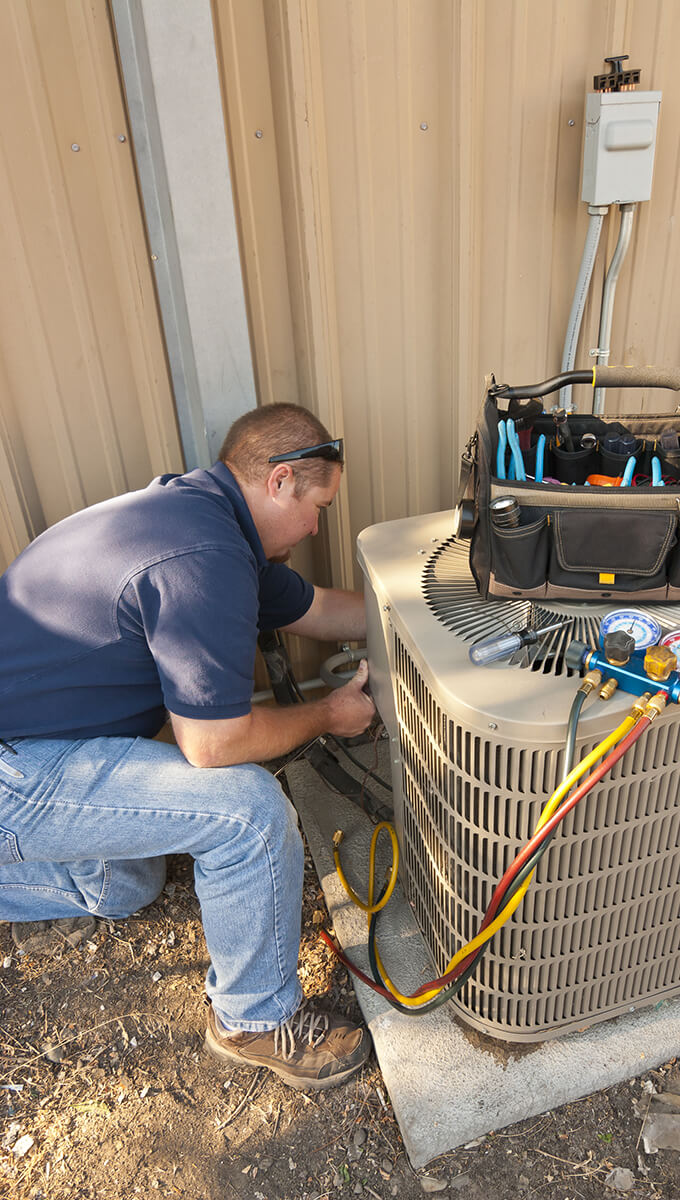
Filters, coils, drainage, airflow, controls and outdoor equipment all contribute to overall operation.
Not every change means a major fault, but unusual behaviour is a useful reason to inspect the system rather than ignoring it. Persistent faults can require professional air conditioning repair.
Reduced air movement can be linked to dirty filters, airflow restrictions or other system issues that need checking.
If the room no longer reaches comfort as expected, the system should be assessed rather than simply run harder.
New rattling, buzzing, grinding or other unfamiliar sounds can justify inspection of the indoor or outdoor equipment.
Water around an indoor unit or signs of condensate problems should be investigated promptly.
Filters and internal surfaces can accumulate dust and contaminants and may need appropriate cleaning or replacement.
Unexpected cycling, controller issues or inconsistent room performance may indicate that the system needs checking.
The exact scope depends on system type and condition, but service attention commonly focuses on cleanliness, airflow, drainage, equipment condition and operation.
Inspect filter condition and obvious airflow restrictions that can affect how air moves through the indoor unit.
Review accessible indoor components for dust or contamination and clean them appropriately where required.
Check the drain path for signs of restriction, leakage or moisture problems around the indoor equipment.
Inspect external equipment condition, surrounding airflow and obvious debris or access issues.
Check relevant operating modes, controller response and whether the system starts, runs and responds as expected.
For ducted systems, consider supply airflow, return air pathways and whether selected zones appear to respond normally.
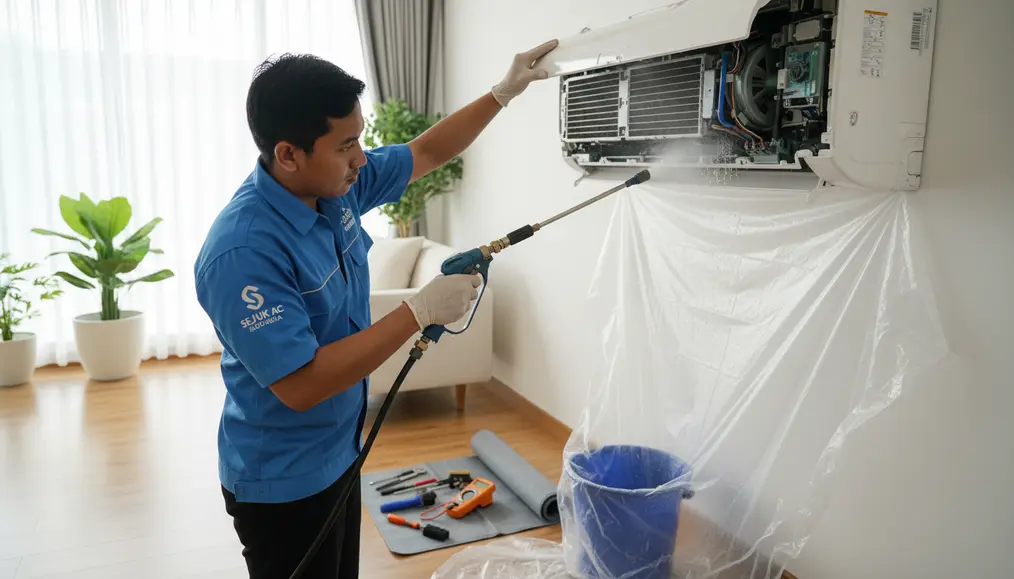
Indoor equipment moves room air across filters and heat exchange surfaces. Dust build up, blocked filters or drainage issues can affect airflow and system operation, so these areas deserve regular attention.
Dirty filters can restrict airflow and should be cleaned or replaced as appropriate for the system.
Accessible coil and internal surfaces may accumulate dust and require suitable cleaning.
Condensate drainage should remain clear enough to carry moisture away from the indoor unit.
After service, the system's airflow and basic operation should be reviewed as part of the overall check.
The outdoor condenser and the system's operating condition also matter. Debris, restricted airflow, access problems or unusual operation should not be overlooked.

The condenser needs appropriate surrounding airflow and should remain accessible for inspection and maintenance.
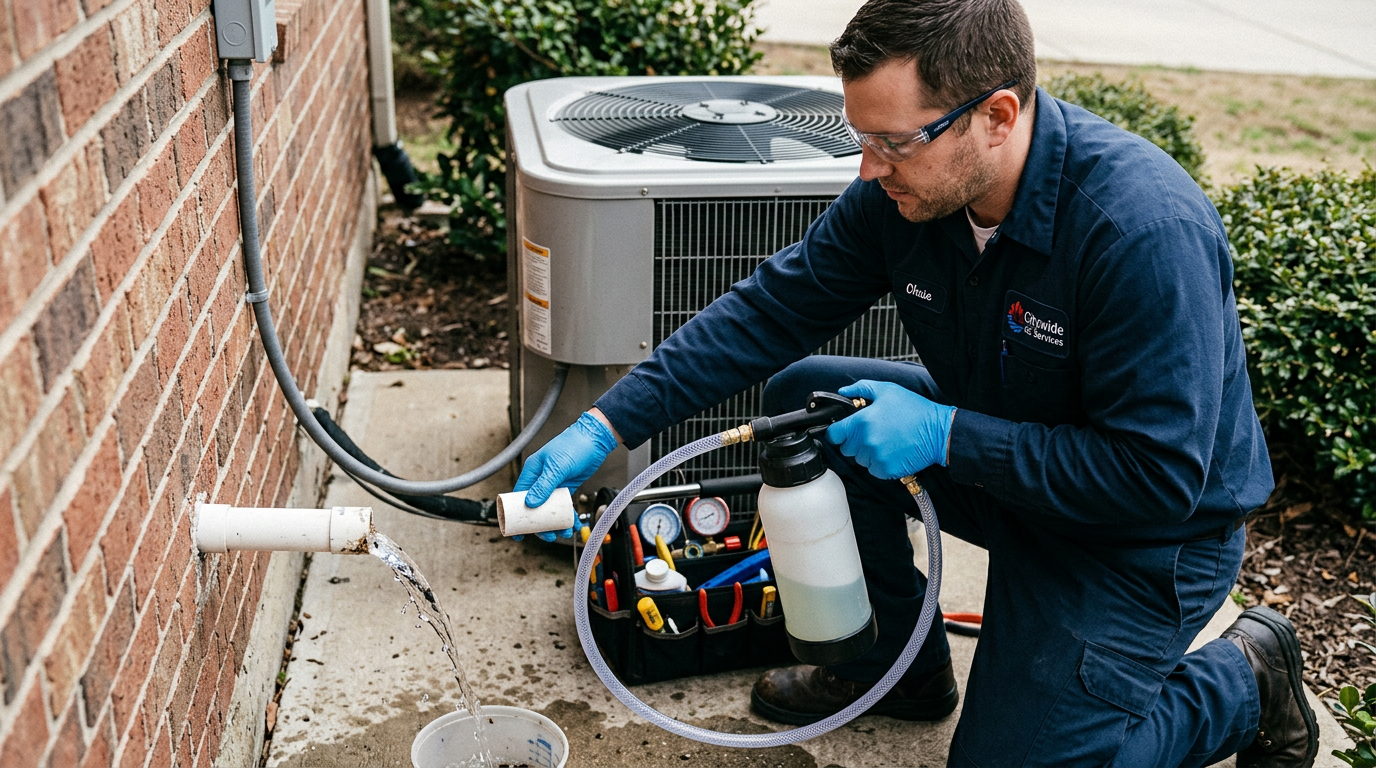
Blocked or poorly draining condensate can lead to water around indoor equipment and should be investigated.
Maintenance frequency depends on the equipment, usage, environment and manufacturer guidance, but regular attention is more useful than waiting until a system is obviously struggling.
Pay attention to changes in airflow, comfort, noise, odour or water around the system.
Avoid blocking indoor returns or crowding outdoor equipment with stored items or vegetation.
Follow the system's filter cleaning or replacement guidance rather than allowing heavy build up.
Arrange inspection when system behaviour changes or the equipment is due for appropriate preventative care.
Keep indoor, roof space and outdoor equipment reasonably accessible for future maintenance.
A bedroom split system and a commercial rooftop HVAC installation have very different operating environments. Service attention should match the equipment and how heavily it is used.
Focus on filter condition, indoor cleanliness, drainage, outdoor unit condition and basic operation.
Review each connected indoor unit along with the shared outdoor unit and overall system behaviour.
Consider filters, return air, outlets, zone behaviour, concealed equipment access and outdoor plant.
Operating hours, occupancy and business continuity can make planned preventative maintenance especially important.

You do not need to wait for complete system failure before arranging service.
The system takes longer to cool or heat, airflow feels weaker, or one area performs differently from before.
New noises, unusual odours or vibration can justify inspection before continued operation becomes the norm.
Visible moisture or drainage problems should be checked rather than left to continue.
Systems operating regularly can benefit from appropriate planned inspection and cleaning based on their use and environment.
The useful maintenance approach depends on system type, usage, condition and the environment in which it operates.
The scope varies by system and service type. Common attention areas include filters, accessible indoor surfaces, condensate drainage, airflow, outdoor unit condition, controls and general system operation. For market pricing context, see our aircon service cost Perth guide.
There is no single interval that suits every system. Usage, environment, system type and manufacturer guidance all matter. Equipment used heavily or in demanding environments may need more frequent attention than lightly used residential systems.
Dirty filters can restrict airflow through the indoor unit. Filters should be cleaned or replaced in accordance with the system's requirements and condition.
Water around an indoor unit can have several causes, including condensate drainage problems. Because the cause needs to be identified, visible leakage should be inspected rather than diagnosed from appearance alone.
Yes. Ducted systems include filters, return air pathways, concealed indoor equipment, outlets, controls and outdoor equipment. Access to these components is important for ongoing service.
Comfort Systems supports residential and commercial heating and cooling pathways. The appropriate service scope depends on the installed system, property and maintenance requirement.
Tell Comfort Systems what type of system you have, what has changed and whether you need routine maintenance or help investigating a specific comfort, airflow, drainage or operating issue.