
Repair Practicality
Understand the actual fault and whether a reasonable repair path still exists.
Comfort Systems helps Perth homeowners and businesses decide whether an existing air conditioning system should be repaired, retained in part or replaced, then plan a new heating and cooling solution around the property as it exists today. If a ducted replacement is being considered, our ducted air conditioning cost guide explains the main budget factors.
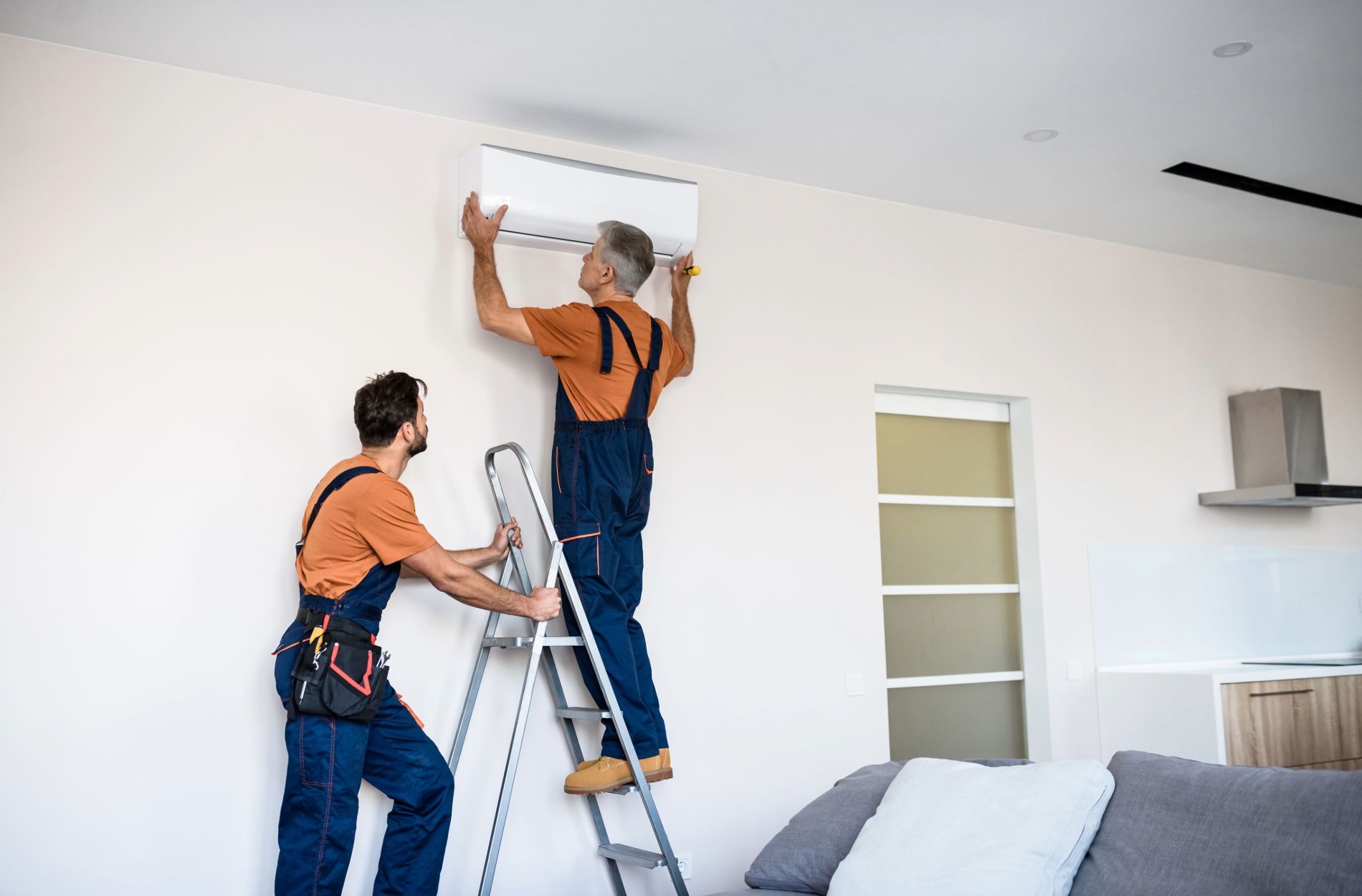
The useful question is whether the existing equipment and installation still make sense for the property, fault history and future comfort needs.
A system can reach the point where repeated repairs, changed room use, poor comfort or a compromised installation make a new system worth comparing.
Understand the actual fault and whether a reasonable repair path still exists.
Check whether the existing architecture and capacity still suit current rooms and usage.
Pipework, drains, ducts, controls and electrical pathways may affect the upgrade plan.
Use replacement as an opportunity to design around what the property needs now.
A replacement project is more useful when existing infrastructure is assessed component by component rather than automatically reused or automatically discarded.
Existing elements may remain part of the project where they are suitable for the new system and installation.
Some parts of the old installation may need alteration before the replacement system can be installed properly.
The replacement should respond to the property's current heating, cooling and control requirements.
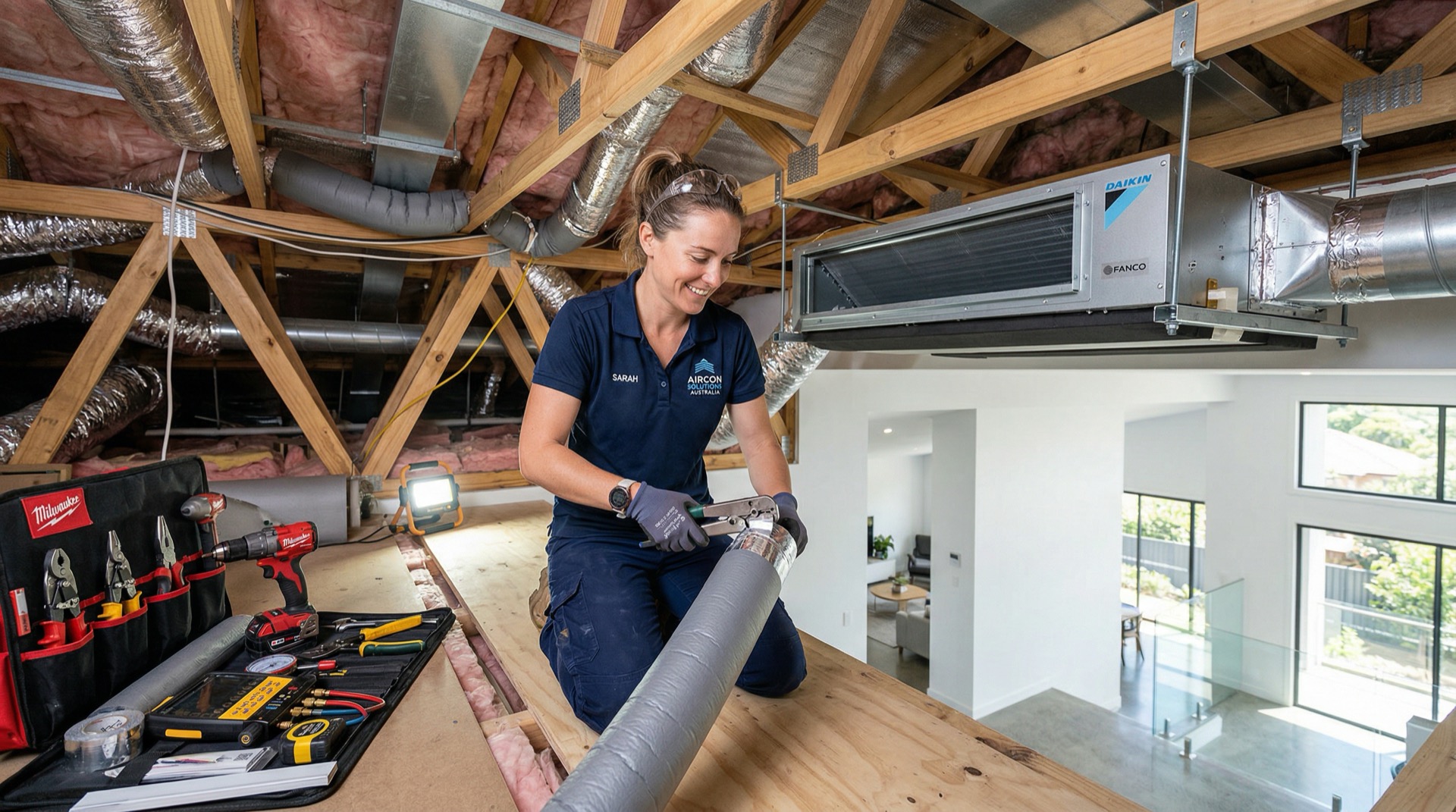
What sits behind walls, above ceilings and around the outdoor unit can influence the replacement project just as much as the equipment itself.
Condition, route, sizing and compatibility with the new equipment need assessment.
The condensate route should remain suitable for the replacement indoor equipment.
Condition, layout, return air, outlets and zone coverage can affect a ducted replacement.
The next system should remain practical to install, commission and service.
Replacement is an opportunity to reconsider condenser clearances, mounting, pipe access and future serviceability instead of automatically using the same position.
Outdoor equipment needs appropriate surrounding space for the selected system.
The replacement should have a suitable, stable installation position.
Pipe and electrical pathways should make sense for the new equipment.
Future maintenance should be considered at replacement stage.
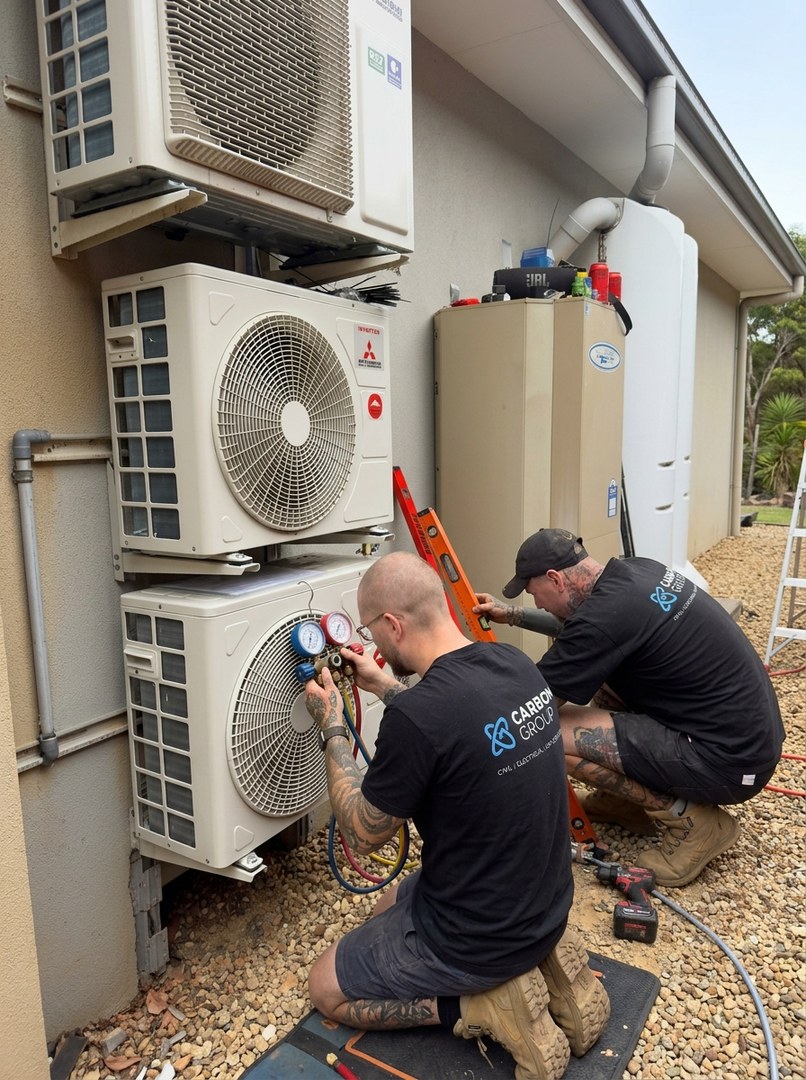
Replacement work changes significantly depending on whether the current system serves one room, several rooms or the whole property through concealed ducts.
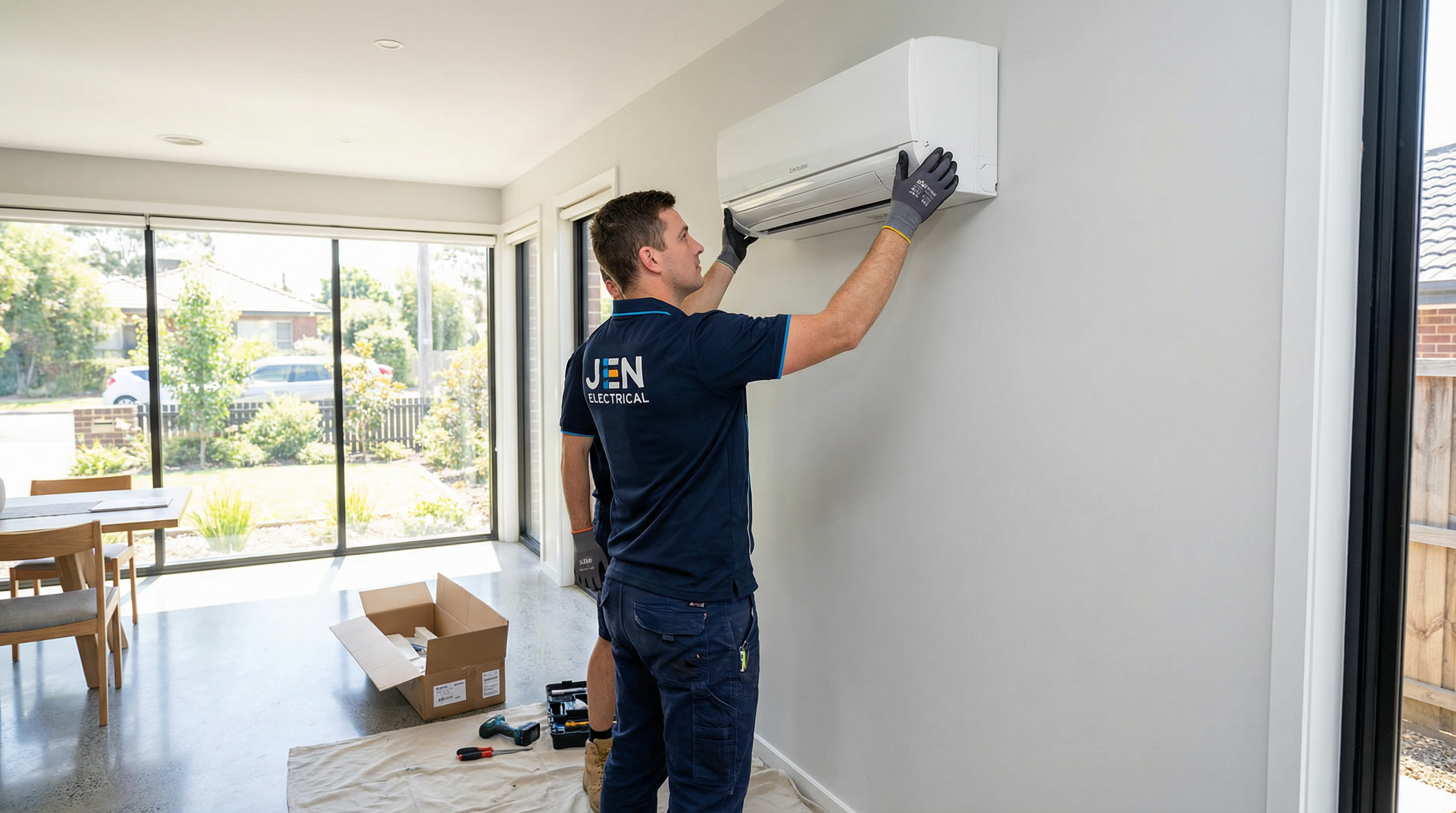
Reassess room capacity, indoor position, outdoor position, pipe route and drainage rather than copying the old installation blindly.

Connected indoor units, the shared outdoor system and compatibility of the overall multi-room design need to be considered together.
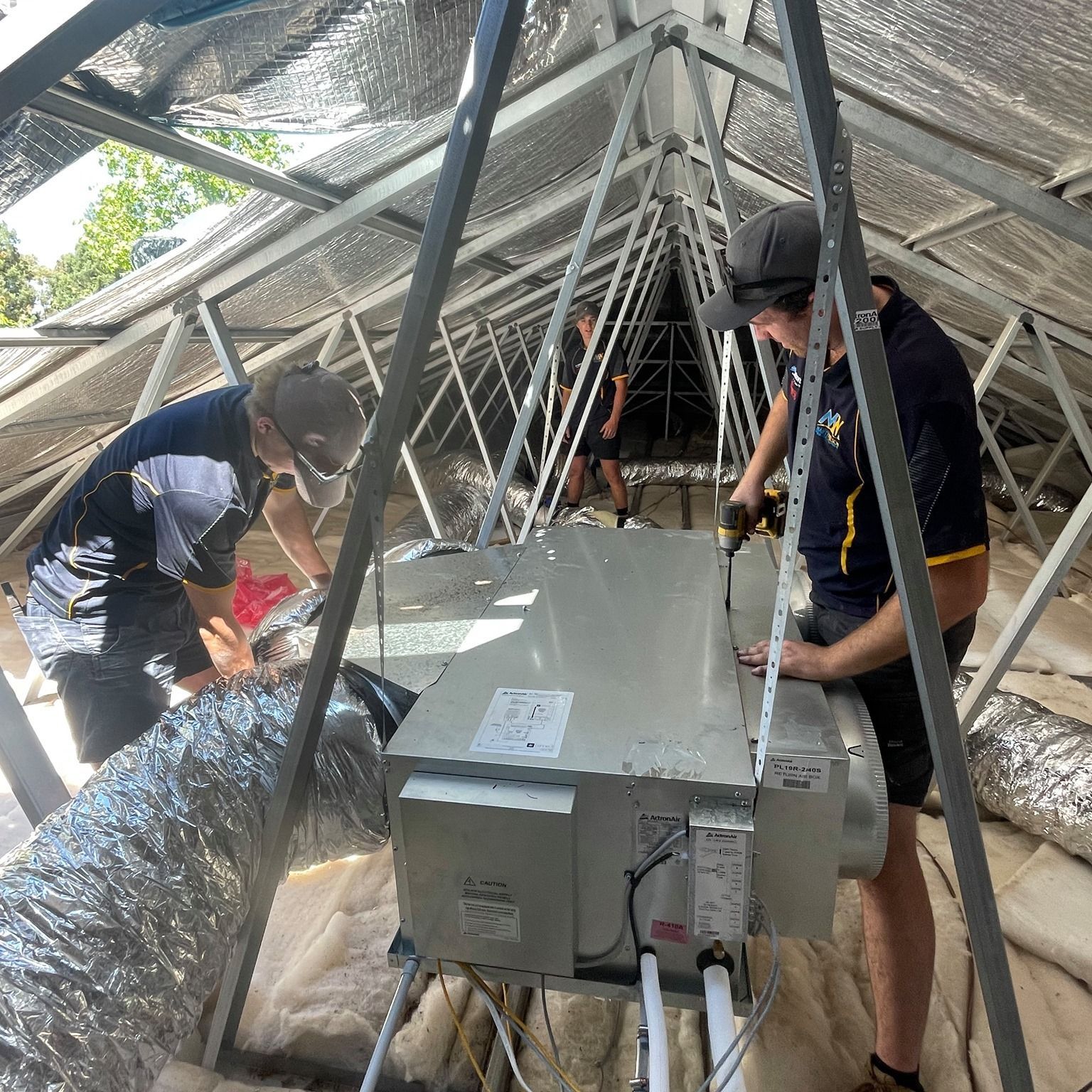
The indoor unit, ducts, return air, outlets, zoning, roof-space access and outdoor equipment form one replacement project.
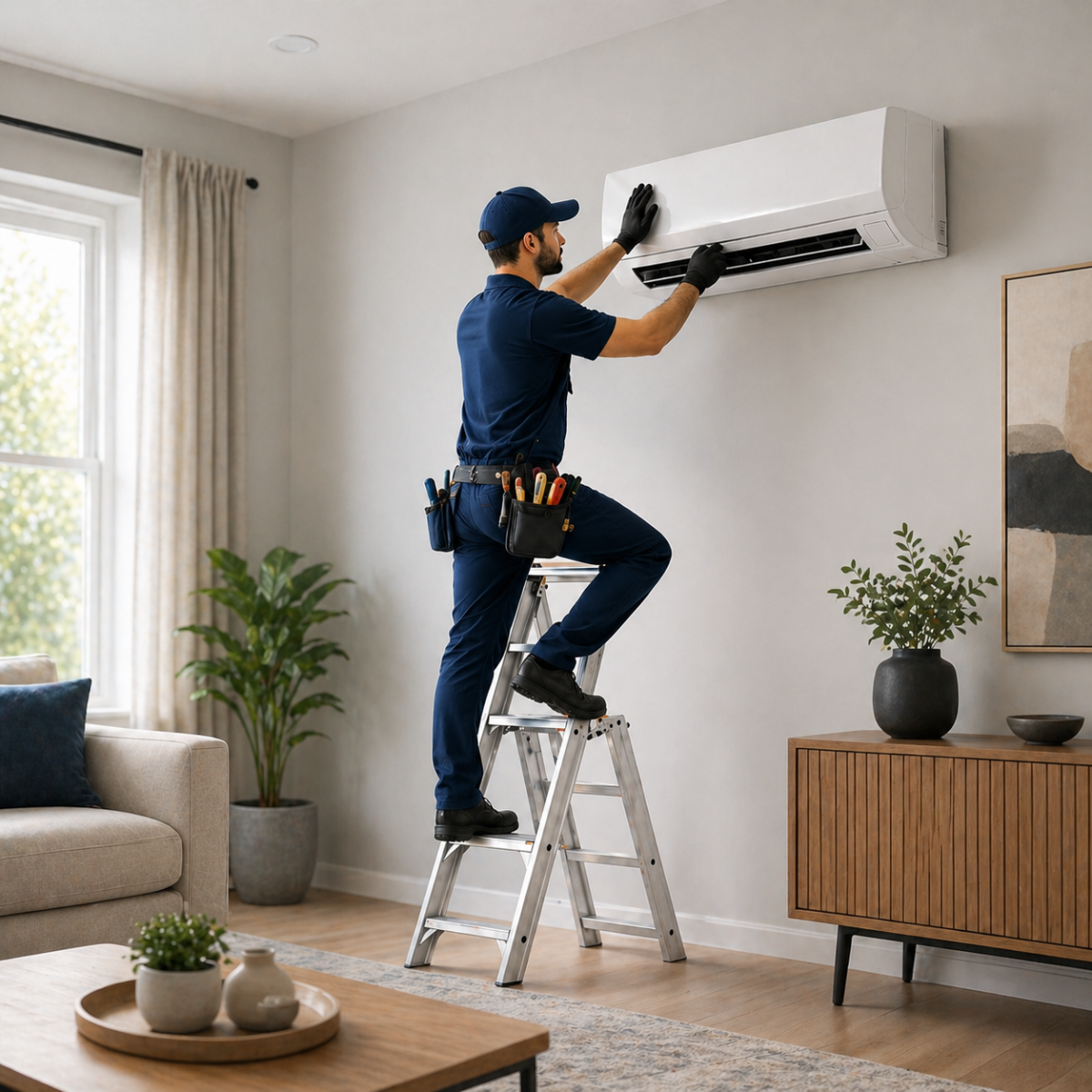
Replacement should connect diagnosis, design and installation rather than treating removal and new equipment as unrelated jobs.
Review equipment, fault history, condition, positions and accessible infrastructure.
Clarify room coverage, capacity, control, appearance and access priorities for the replacement.
Assess pipework, drainage, ductwork, controls and existing locations rather than assuming they are all reusable.
Choose the replacement architecture and equipment around the current property requirement.
Remove or isolate old equipment, complete required installation work and verify the new system before handover.
A replacement decision should consider the actual system, installation and property rather than relying on one simple rule.
Replacement becomes worth comparing when repair is impractical, faults keep recurring, the system no longer suits the property or the existing installation needs significant rework. The actual fault and system condition should be understood first.
Sometimes, but condition, route, sizing and compatibility with the new equipment need to be assessed. Existing pipework should not automatically be assumed reusable.
Potentially, but duct condition, sizing, distribution, return air, zoning and suitability for the new system should be reviewed before reuse.
Not necessarily. If property use or comfort requirements have changed, it can be useful to compare whether split, multi-split or ducted architecture now makes more sense.
Only where those positions still make sense. Replacement can be an opportunity to improve airflow, appearance, clearances, connection routes or service access.
Comfort Systems supports residential and commercial heating and cooling pathways. The appropriate replacement approach depends on the existing system, property and selected new equipment.
Tell Comfort Systems what is installed now, what is no longer working well and which spaces need heating and cooling. That creates a better starting point for deciding what can stay and what should change.