
If your air conditioner is running but not cooling, first confirm it is set to COOL, the selected temperature is below the room temperature, user accessible filters are clean and there is no obvious obstruction around the outdoor unit. Persistent warm air, icing, weak airflow, fault codes or electrical problems should be professionally diagnosed.
An air conditioner can appear to be running normally while doing very little to make the property comfortable. The useful question is not simply whether the system is switched on, but how its cooling performance has changed.
Strong airflow that is no longer cold points towards a different group of problems from very weak airflow. Likewise, if a ducted air conditioning system cools most of the property but one room remains hot, the issue may lie with zoning, ductwork, airflow balance or the heat load in that particular room.
Looking at the symptom first helps avoid assumptions about refrigerant, major repairs or replacement before the actual problem has been established.
Air Conditioner Not Cooling? Start With the Symptom
A few simple observations can help separate an airflow problem from a cooling, distribution or system capacity issue.
| What You Notice | What It May Point Towards |
|---|---|
| Strong airflow but the air is not cold | Incorrect operating mode, refrigeration problems, outdoor unit operation, compressor or control issues. |
| Very weak airflow from most outlets | Filter restriction, fan problems, airflow restriction or duct issues. |
| Only one ducted room or zone is hot | Zone control, damper, ductwork, air balancing or room specific heat load. |
| Cooling deteriorates during hot afternoons | High building heat load, solar gain, sizing, insulation or reduced system performance. |
| Ice appears on equipment or refrigerant pipework | Restricted airflow, refrigeration issues or another operating fault. |
| It used to cool properly but now struggles | Maintenance deterioration, equipment wear or a developing fault. |
| It has never cooled the space properly | Capacity, room load, air distribution or installation design. |
The Air Conditioner Is on the Wrong Setting
Start with the controller. A reverse cycle air conditioner can be operating in FAN, DRY, AUTO or heating mode rather than COOL. A timer, schedule or ducted zone setting can also create behaviour that looks like a cooling fault.
- Confirm COOL mode is selected.
- Set the target temperature below current room temperature.
- Check whether an unexpected timer or schedule is active.
- Confirm the intended ducted zones are selected.
- Close unnecessary external doors and windows.
If plenty of air is moving through the system but it remains noticeably warm after the settings have been corrected, the cause probably lies elsewhere.
Dirty Filters Are Restricting Airflow
A heavily loaded filter makes it harder for the air conditioner to move enough air across the indoor heat exchanger. Cooling performance can fall, airflow may weaken and the equipment may run for longer trying to reach the selected temperature.
Australian Government Energy Rating guidance recommends keeping air conditioning filters clean because restricted filters can reduce airflow and system performance.
Maintain only filters designed for user access and follow the manufacturer's instructions. If normal airflow does not return afterwards, the system may require professional air conditioning service and maintenance .
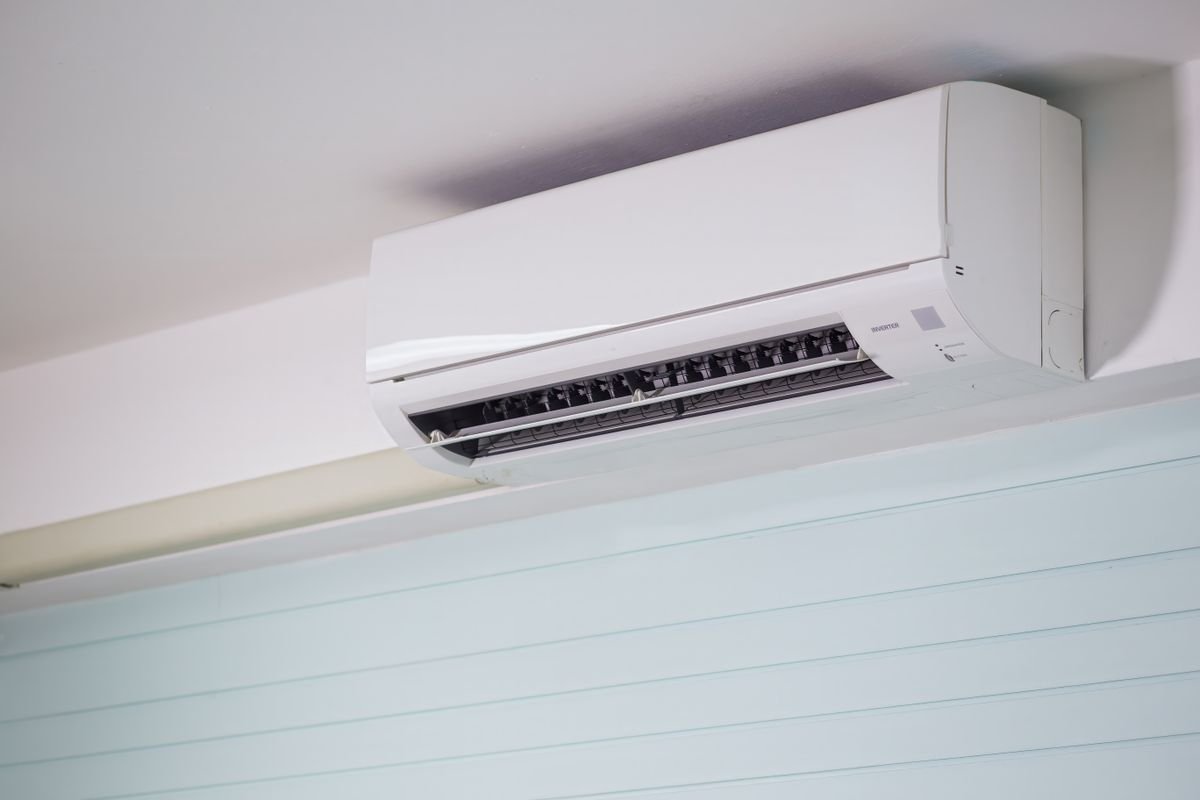
The Outdoor Unit Cannot Reject Heat Properly
During cooling, the air conditioner moves heat from inside the property and rejects that heat outdoors. The outdoor equipment therefore needs adequate airflow.
Leaves, stored objects, vegetation or other obvious obstructions can interfere with that process. A contaminated outdoor heat exchanger may also affect performance, although internal equipment cleaning should not become a homeowner dismantling job.
From a safe position at ground level, check only for obvious loose obstructions around accessible equipment. Do not remove covers, interfere with electrical components or use aggressive pressure cleaning on the unit.
The Indoor Coil Is Freezing
Ice on an indoor coil or refrigerant pipe is a symptom rather than a complete diagnosis. Restricted airflow can contribute to icing, while refrigerant related faults and other system problems can produce similar signs.
If visible ice develops, do not chip it away or continue forcing the equipment to cool. Turn off the cooling function and allow the system to thaw safely.
If icing returns after obvious accessible airflow issues have been ruled out, arrange professional air conditioning repair in Perth .
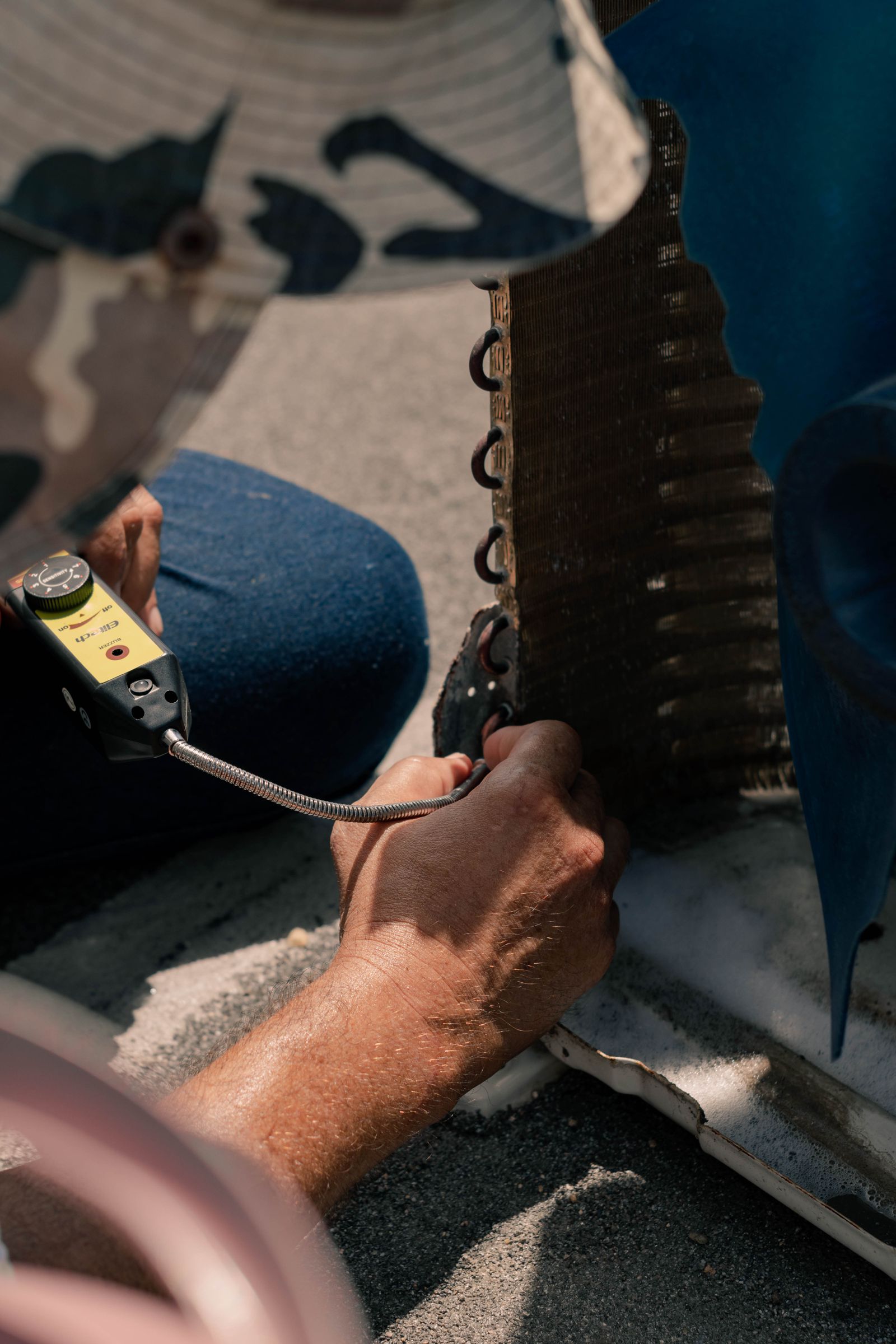
The System Has a Refrigerant Problem
Refrigerant is central to the refrigeration cycle that transfers heat from inside the property to the outdoor environment. If the refrigerant charge is incorrect, or refrigerant has escaped from the system, cooling performance can deteriorate.
Possible symptoms include weaker cooling, longer operating periods and icing. Those symptoms do not confirm low refrigerant on their own because airflow and mechanical problems can appear similar.
Refrigerant work is regulated in Australia. Australian Government guidance explains the requirements for technicians working with regulated refrigerants, including Refrigerant Handling Licences .
If an incorrect charge is identified, the underlying reason should be investigated rather than assuming that simply adding refrigerant solves the problem.
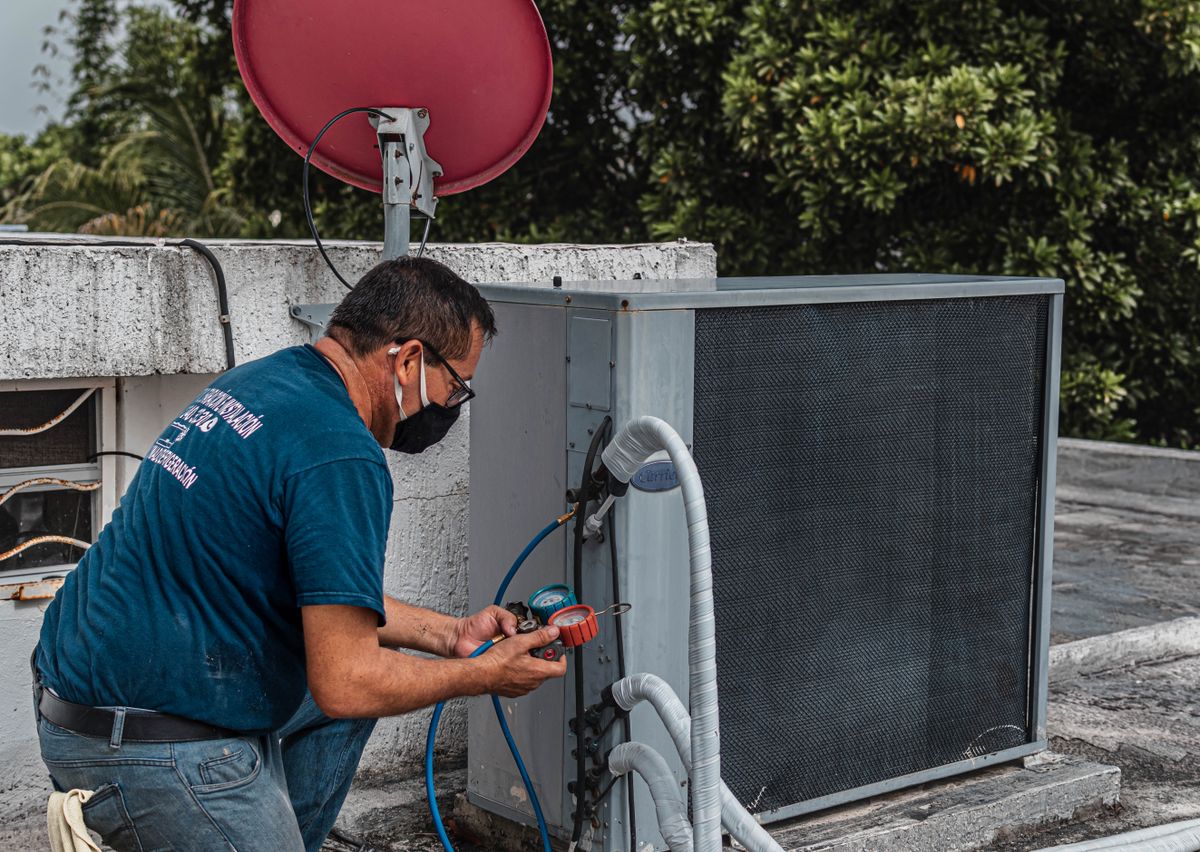
A Fan, Sensor, Compressor or Electrical Component Has Failed
Air conditioning equipment relies on fans, controls, sensors, electrical components and refrigeration equipment working together. Failure of one part can leave the system apparently operating while useful cooling falls substantially.
- Indoor airflow becomes unusually weak.
- The outdoor unit does not operate normally.
- The system repeatedly starts and stops.
- Unusual buzzing or mechanical noises appear.
- The controller shows a fault code.
- A burning smell develops.
- Electrical protection repeatedly trips.
Western Australian electrical work is subject to licensing requirements. See the Government of Western Australia electrical licensing information .
A Duct or Zone Problem Is Affecting Air Distribution
With ducted air conditioning , the main equipment can be operating while conditioned air is not reaching one part of the property correctly.
If only one room or zone remains warm, possible causes can include zone controls, dampers, restricted or damaged ductwork, poor air balance, an obstructed outlet or substantially higher heat load in that room.
Very weak airflow from the problem room points more strongly towards air distribution. Strong cold airflow with a room that remains warm makes the room's heat load more relevant.
Avoid entering roof spaces yourself to investigate ductwork. Roof spaces can involve heat, electrical, structural and access hazards.
The System Is Too Small for the Actual Cooling Load
Sometimes the air conditioner itself is operating, but the system is being asked to remove more heat than its selected capacity can reasonably handle.
Correct sizing depends on far more than floor area. Ceiling height, glazing, orientation, shading, insulation, construction, occupancy and internal heat sources can all change the cooling requirement.
Australian Government heating and cooling guidance also discusses the importance of selecting an appropriately sized system.
Has the air conditioner ever cooled this particular space properly?
If the answer is no, capacity, heat load, installation design and air distribution deserve closer investigation. If the system previously cooled well but performance has deteriorated, maintenance or a developing fault is generally a more logical starting point.
Comfort Systems covers these factors in greater detail in its air conditioner sizing guide for Perth .
Why Perth Heat Can Expose a Marginal Air Conditioning System
Perth's hot summer conditions can place substantial demand on residential and commercial cooling equipment. Official climate information and observations are available through the Bureau of Meteorology .
Outdoor temperature is only one part of the load on a property. Large areas of glazing, strong afternoon sun, limited shading, ceiling height, insulation and open plan living areas can all materially change how hard the air conditioner must work.
This is why a system that struggles during the hottest part of a Perth afternoon is not automatically low on refrigerant. If performance is acceptable in moderate conditions but drops under peak load, both the equipment and the building should be considered.
The System Is Ageing or Becoming Less Reliable
Age alone does not prove that an air conditioner needs replacement. An older system with an isolated and repairable problem may still make practical sense to repair. If an assessment points towards replacing a ducted system, see our ducted replacement budgeting guide before comparing quotes.
Repeated significant faults, declining reliability, poor suitability for the property and difficulty justifying further repairs can change that decision.
If you are weighing both options, read the Comfort Systems repair versus replacement guide . If replacement proves appropriate, see air conditioning replacement in Perth .
What You Can Safely Check Yourself
There is a useful amount of troubleshooting you can do without opening equipment. Once the investigation involves internal electrical components, refrigerant, compressors or unsafe access, professional diagnosis is the appropriate next step.
Reasonable Homeowner Checks
- COOL mode and selected temperature
- Timers and schedules
- Ducted zone selection
- User accessible filters
- Obvious outdoor airflow obstruction
- Controller fault codes
- Which rooms or zones are affected
- Whether airflow feels strong, weak, cold or warm
Leave These to Qualified People
- Refrigerant diagnosis and charging
- Electrical fault diagnosis
- Internal wiring
- Compressor testing
- Internal fan or motor repairs
- Opening equipment compartments
- Repeated unexplained icing
- Unsafe roof space investigation
Service, Repair or Replacement: What Is the Logical Next Step?
Poor cooling does not automatically mean the same solution for every property. The pattern of the problem helps determine the most sensible next step.
Service and Maintenance
Cooling and airflow have gradually deteriorated or routine system maintenance is overdue.
View service and maintenanceAir Conditioning Repair
Cooling has suddenly stopped, warm air is being delivered, icing is recurring or a fault code has appeared.
View repair servicesRepair or Replace
Significant faults keep returning or the existing equipment no longer suits the property.
Compare the optionsFrequently Asked Questions
Why is my air conditioner running but not cooling?
Common causes include incorrect settings, restricted airflow, dirty filters, outdoor unit problems, icing, refrigerant issues and electrical or mechanical faults. Start with safe settings and airflow checks before arranging professional diagnosis.
Should I turn off an air conditioner that is not cooling?
Turn it off if you notice icing, burning smells, smoke, repeated electrical trips, severe unusual noises or water near electrical equipment. Simple setting and user accessible filter problems can be checked first where safe.
How do I know if the air conditioner is low on refrigerant?
Reduced cooling, longer operating times and icing can occur with refrigerant problems, but other faults can produce similar symptoms. Refrigerant condition requires appropriate technical diagnosis.
Why is one room not cooling with ducted air conditioning?
Possible causes include zone controls, dampers, ductwork, airflow balance or a higher heat load in that particular room.
Why does my air conditioner struggle during hot Perth afternoons?
Outdoor temperature, solar gain, glazing, insulation and overall building heat load can increase afternoon cooling demand. If the system handled similar conditions previously but now struggles, equipment performance should also be assessed.
Can a dirty air filter stop an air conditioner from cooling?
A heavily restricted filter can reduce airflow and cooling performance and may contribute to icing. Follow the manufacturer's instructions for filters designed for user maintenance.
Authoritative Sources
This guide uses Australian government and official information for energy efficiency, refrigerant handling, electrical licensing and climate context.
Heating, cooling, system sizing and maintenance guidance.
Refrigerant handling and technician licensing information.
Western Australian electrical licensing information.
Official Australian climate information and observations.