
Featured Guide · System Selection
Split, Multi Split or Ducted? Start With How the Home Is Actually Used
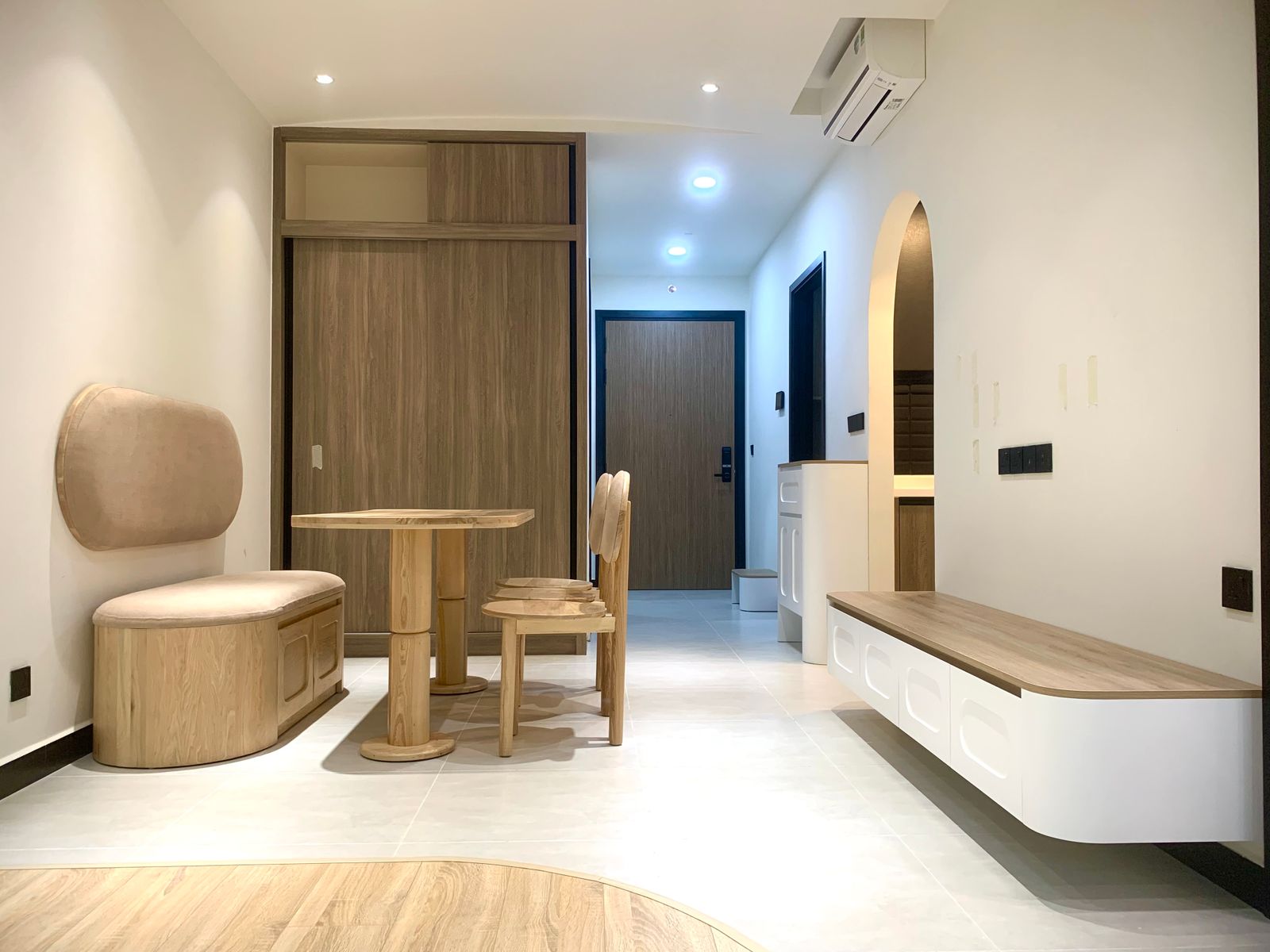
A single room, several independently used rooms and a whole home comfort brief can lead to three very different HVAC solutions.
The Comfort Systems Advice Centre is designed to help Perth homeowners, property managers and businesses understand air conditioning before they choose, operate, repair or replace a system. Explore system types, sizing, efficiency, running cost factors, maintenance, building performance and commercial HVAC considerations without the sales jargon.
Air conditioning advice becomes much clearer once the decision is defined. Use this pathway before getting lost in brands, capacities or product brochures.
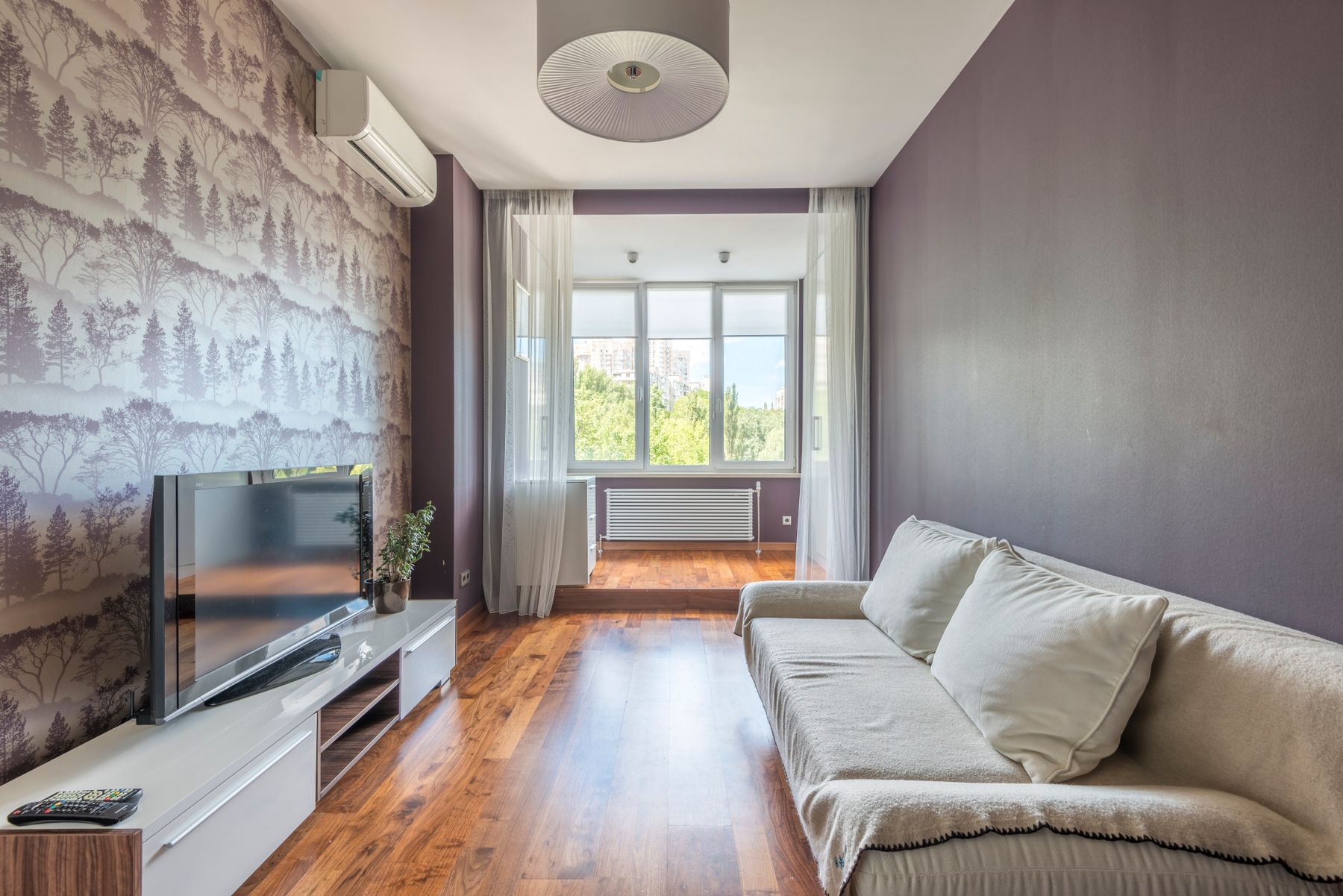
Start with the room load, sun exposure, glazing, occupancy and whether a dedicated split system is appropriate.
Compare separate splits, multi split and ducted architecture based on room use, outdoor unit space and control requirements.
Think beyond the indoor unit. Roof space, ducts, zones, return air, static pressure and building envelope now matter.
Review capacity, operating habits, thermostat, building heat gain and applicable energy rating information before blaming the brand.
Separate maintenance issues, repairable faults, poor original sizing and genuine end of life replacement decisions.
Move from consumer product selection to loads, zoning, controls, operating schedules, service access and commercial system architecture.
Perth combines hot summers with a genuine winter heating requirement. That is one reason system selection should consider both cooling and heating performance rather than treating air conditioning as a summer only appliance.
Building orientation, west facing glass, insulation, draughts, room size and occupancy can make two Perth homes with the same floor area behave very differently.
Mean maximum temperature
Mean maximum temperature
Mean maximum temperature
Perth Metro recorded a summer mean maximum of 31.6°C, according to the Bureau of Meteorology.
Solar exposure, glazing, insulation, ceiling height and occupancy change the actual load.
A useful buying process moves from property requirement to system architecture, capacity and only then to the exact brand and model.
A single room, several independently used rooms and a whole home comfort brief can lead to three very different HVAC solutions.
Understand why reverse cycle is both a cooling and heating technology and why the heating side should not be ignored in Perth.
Bigger is not automatically better. Load, glazing, orientation, insulation and room use need to be considered.
Compare ceiling integration, airflow, service access and room presentation before selecting the indoor unit type.
Compare current equipment at model level instead of treating brand reputation as a substitute for system selection.
Equipment size affects both purchase cost and energy use. Capacity should be established from the property rather than selected from price alone.
A single split, multi split, ducted system, cassette and commercial VRF project have very different equipment and installation scopes.
Pipe routes, electrical requirements, outdoor access, roof space, drainage, ductwork and structural coordination can materially change installation scope.
For systems covered by the Zoned Energy Rating Label, compare similar size and feature classes rather than comparing star ratings across very different capacities.
Thermostat settings, operating hours, zoning, open doors and windows and building heat gain all influence real electricity consumption.
That does not mean every household will see an identical bill change. It is a useful operating principle showing why thermostat choice matters.
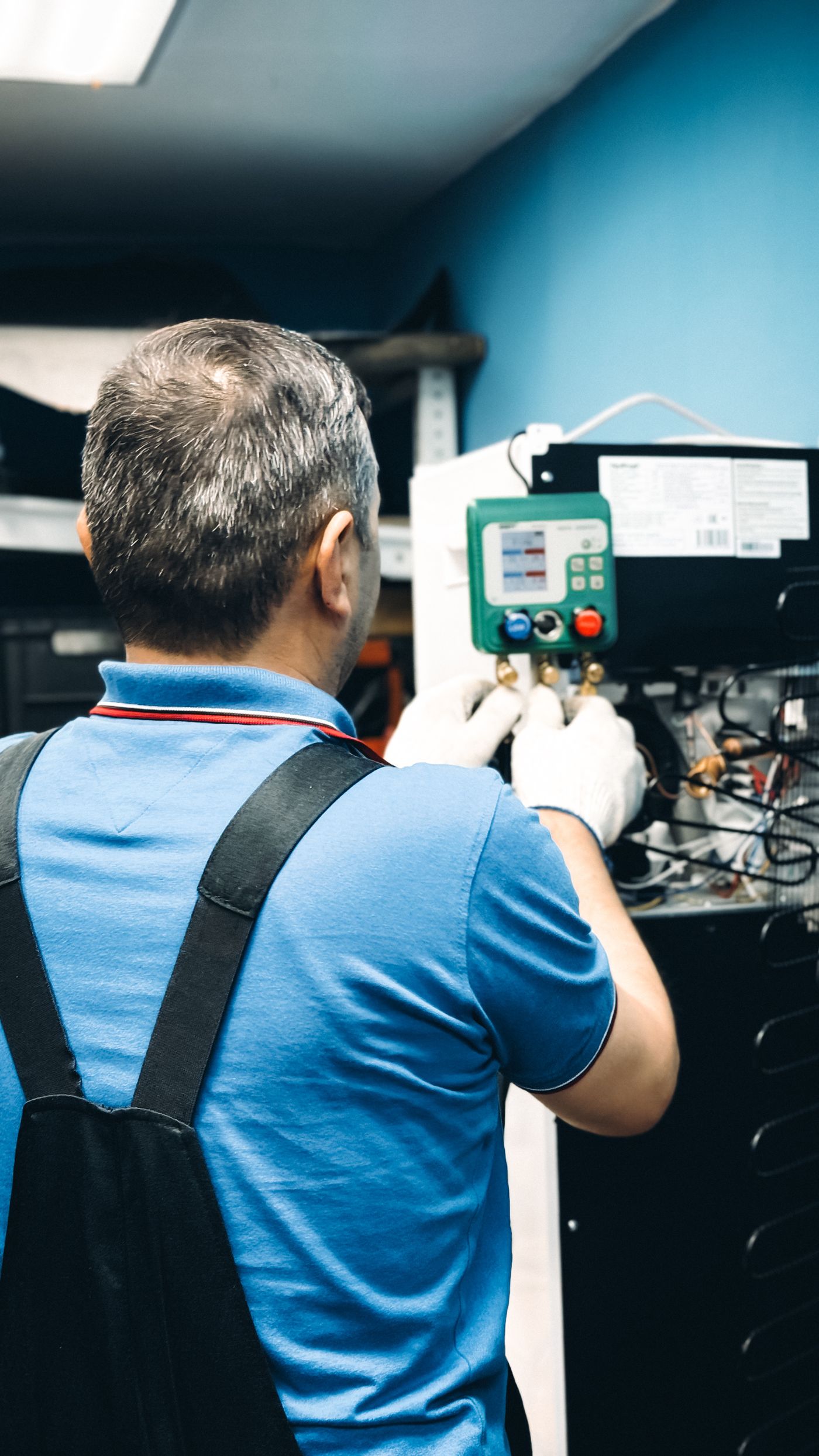
Homeowners can perform suitable basic care in line with the manufacturer's instructions, but diagnosis, refrigerant work, electrical work and technical servicing belong with appropriately qualified and licensed personnel.
Dust accumulation can restrict airflow. Follow the manufacturer's cleaning instructions.
Furniture, storage, vegetation or debris should not obstruct equipment airflow.
Changes in operation can justify inspection before a minor problem becomes a larger one.
Australian Government guidance recommends regular inspection before peak use periods.
Cleaning intervals, filter types and maintenance procedures are not identical across every air conditioner.
Australian passive design guidance consistently treats shading, insulation, glazing, orientation, ventilation and air sealing as part of the heating and cooling equation.
Reducing unwanted summer solar gain, particularly through exposed windows, reduces the load the air conditioner must handle.
Better control of heat flow can improve comfort and reduce both heating and cooling demand.
Uncontrolled outdoor air entering conditioned rooms makes temperature control more difficult.
Glass area, orientation and shading can materially change the cooling load of an otherwise similar room.
Fans can improve perceived comfort and may reduce the need to drive the air conditioner thermostat as low.
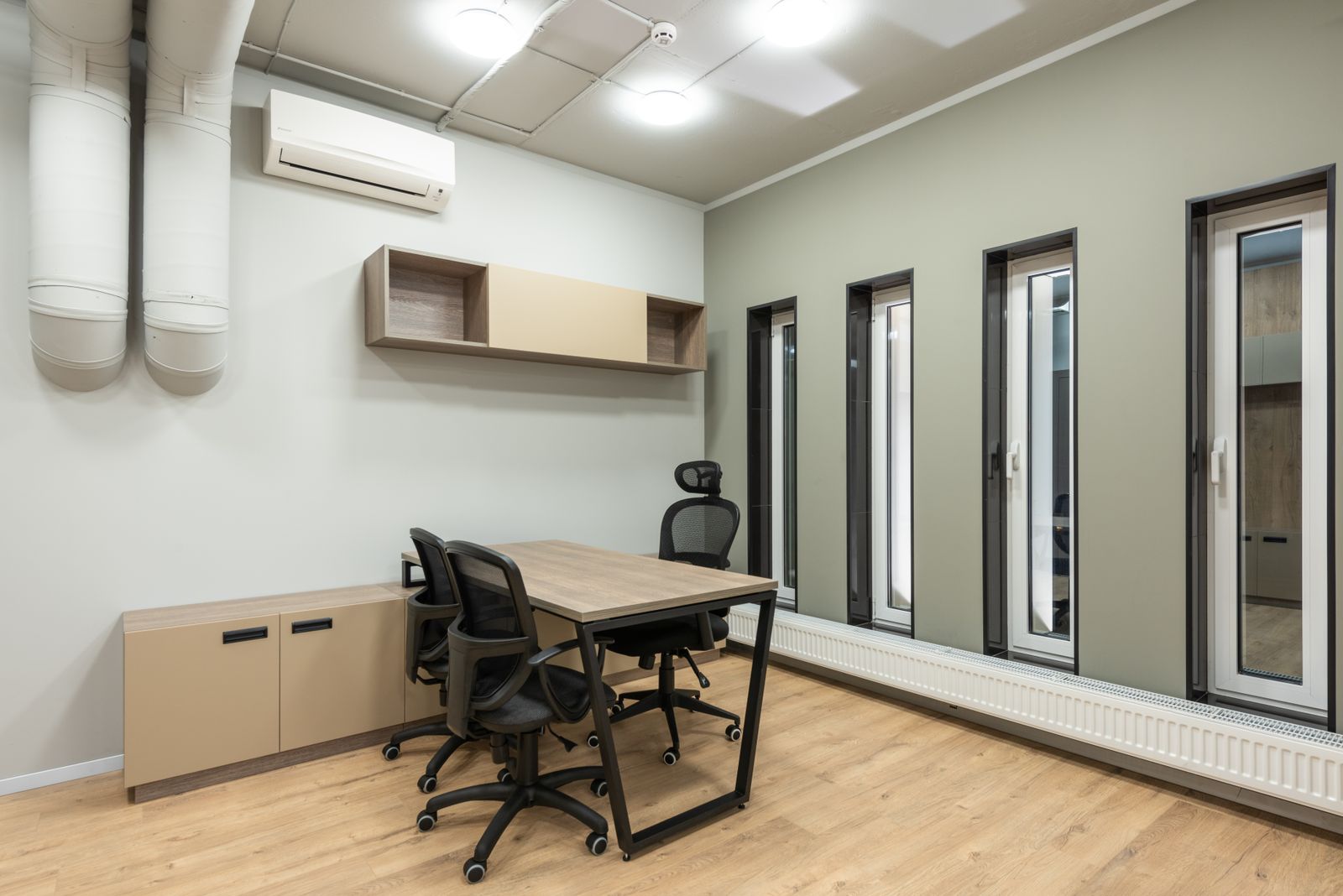
In a commercial property, equipment selection becomes only one part of a wider mechanical and operational decision. Occupancy, operating schedules, zoning, ventilation, controls and maintenance access can matter as much as the nominal capacity printed on the equipment.
Perth Metro climate averages and current seasonal climate summaries used for local context.
GEMS requirements, Zoned Energy Rating Label interpretation, capacity and comparable model guidance.
Australian Government guidance on heating and cooling energy use, thermostat behaviour, maintenance and installation.
Australian Government supported passive design guidance covering insulation, shading, air sealing, orientation and passive cooling.
Refrigerant handling licensing requirements for installation, servicing and maintenance work that may risk refrigerant release.
Western Australian electrical licensing context relevant to refrigeration and air conditioning work.
There is no single best architecture for every Perth home. A single split can be appropriate for one room, multi split can suit several independently conditioned rooms, while ducted air conditioning can suit whole home designs. The right answer depends on load, layout, room use, available outdoor space, roof space, control requirements and budget.
Floor area alone is not enough for a reliable selection. Relevant factors include room size, ceiling height, glazing, orientation, insulation, occupancy, internal heat loads and local climate. Energy Rating guidance also recommends choosing the required size first before comparing similar products for efficiency.
No. The objective is suitable capacity, not the largest equipment that fits the budget. System behaviour, comfort, cycling and efficiency all depend on appropriate selection and installation.
Start with the size and features required for the space, then compare similar products. For systems covered by the Zoned Energy Rating Label, use the appropriate climate zone information, star ratings and estimated annual energy use. Do not compare star ratings across substantially different capacities as if they represented the same workload.
Not necessarily. Mandatory Zoned Energy Rating Label display requirements apply to particular single phase non ducted unitary or single split systems under 30 kW. Ducted and multi split systems are among categories that are not required to display that label in the same way.
Yes. Australian Government energy guidance states that each degree of extra heating in winter or extra cooling in summer can increase energy use by around 5% to 10%. Actual electricity cost still depends on the system, building, tariff and operating hours.
The safest general advice is to follow the maintenance schedule in the manufacturer's manual because filter type, environment and use vary. Australian Government energy guidance recommends keeping filters, vents and indoor units dust free between professional servicing.
Service frequency depends on equipment, environment, usage and manufacturer guidance. Australian Government guidance recommends regular inspection and suggests servicing before peak use periods. Heavy commercial use can require a more formal maintenance schedule.
Basic owner maintenance permitted by the manufacturer's instructions is different from technical repair. Refrigerant related work that risks fluorocarbon refrigerant release requires appropriate refrigerant handling licensing, and electrical work in Western Australia must remain within the appropriate electrical licensing scope.
It is worth considering. Australian passive design guidance recommends reducing unwanted heat gain and heat loss through measures such as insulation, shading and air sealing. Improving the building can reduce heating and cooling demand and may change the capacity required.
Whether you are choosing a new system, investigating high running costs, deciding between repair and replacement or planning commercial HVAC, start with the property and the actual requirement.