Comfort Systems

Comfort Systems V13 Responsive Header
Air Conditioning Maintenance Guide Perth | AC Service & Care
Air Conditioning Maintenance Guide Perth

Air Conditioning Maintenance Perth for Cleaner, More Efficient Heating and Cooling

Good air conditioning maintenance is a combination of simple owner care, manufacturer specific cleaning, regular professional inspection and early attention to changes in airflow, noise, drainage or performance. This guide explains what you can safely check yourself, what belongs with a technician, and how split, ducted and commercial systems differ.

Owner CareFilters · dust · visible airflow paths
Professional CareInspection · diagnosis · technical servicing
Best TimingBefore peak cooling or heating demand
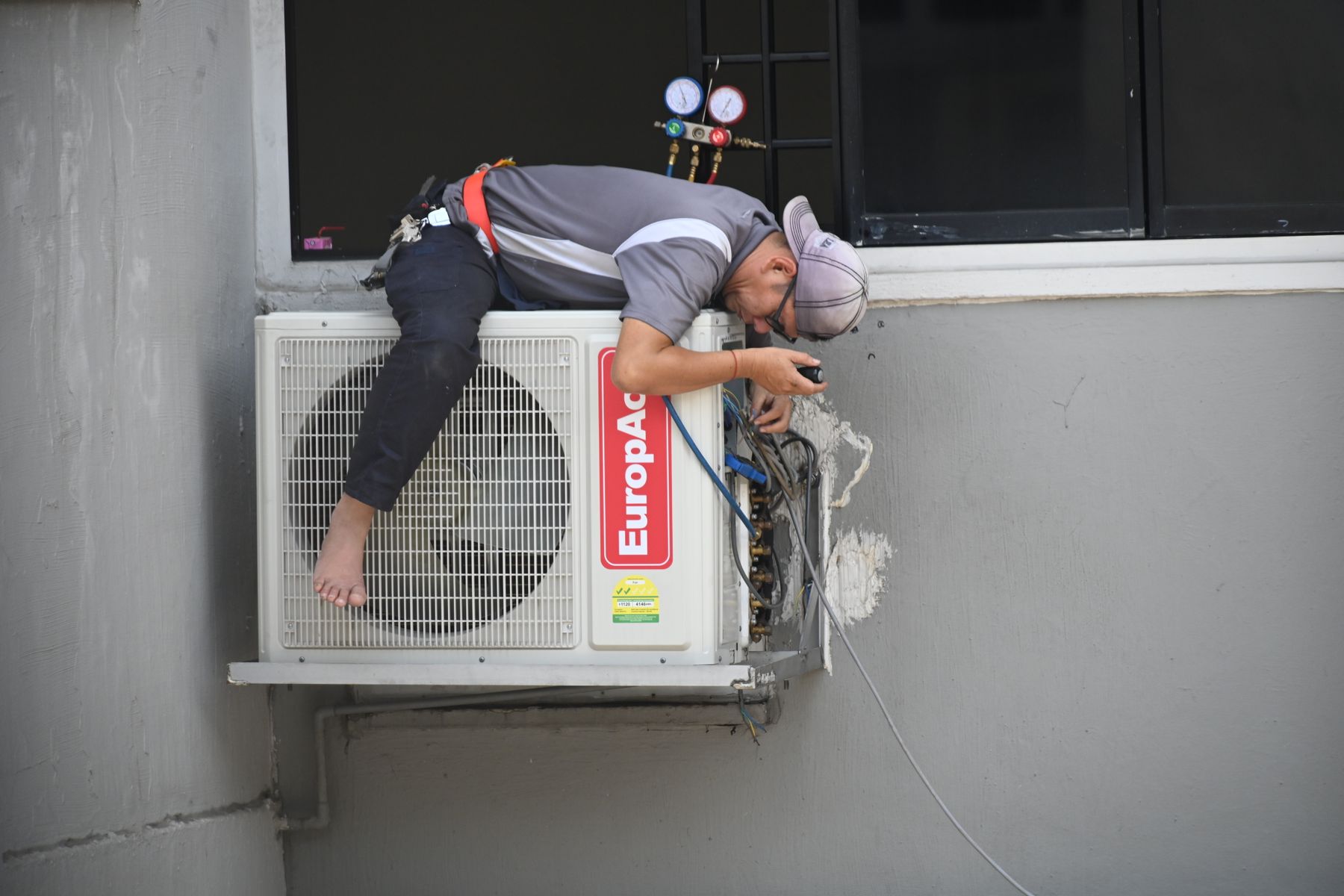
Air conditioning maintenance guide Perth technician servicing outdoor unit
Maintenance Boundary

Clean What the Manual Says You Can. Leave Technical Work to the Right Trade.

FiltersOwner care when manufacturer instructions permit
RefrigerantAppropriately licensed refrigerant work
ElectricalWork within the applicable WA electrical licence scope
Perth Seasonal Strategy

Service Before the System Is Working Hardest

Australian Government guidance recommends regular service inspection before peak use periods, such as late spring or autumn.

AirflowDirty filters restrict air movement

Reduced airflow can lower heating and cooling effectiveness and efficiency.

CleanlinessIndoor units, vents and filters need attention

Government guidance recommends keeping accessible indoor components dust free.

InspectionMaintenance is more than filter cleaning

Professional servicing assesses the broader mechanical and electrical system.

RecordsKeep manuals and service history

Good records support future fault diagnosis, warranty checks and lifecycle decisions.

Maintenance Fundamentals

Air Conditioning Maintenance Guide Perth: Four Practical Layers

Confusion usually starts when routine owner cleaning, preventative professional servicing and fault repair are treated as if they are the same task.

01
Owner Cleaning

Suitable filter, fascia and accessible surface cleaning carried out exactly as the product manual permits.

Routine care
02
Preventative Service

A broader inspection of system condition, operation, drainage, airflow, equipment cleanliness, controls and other serviceable components.

Professional
03
Corrective Repair

Fault diagnosis and repair when the unit shows a functional problem, fault code, leak, electrical issue or component failure.

Fault response
04
Lifecycle Review

Maintenance history can reveal whether the system remains dependable or is moving toward repeated repair and replacement decisions.

Long term view
Perth Seasonal AC Care Plan

Seasonal Air Conditioning Maintenance for Perth Summer and Winter

There is no single maintenance calendar that fits every model and every home. Use the manufacturer manual as the primary schedule, then adapt inspection frequency for dust, pets, usage and the environment.

01
Before Summer

Prepare Before Peak Cooling Demand

Check accessible filters, visible dust, indoor airflow paths and the outdoor unit surroundings. If a professional service is due, late spring is a sensible time to arrange it before the hottest weather.

02
During Summer

Watch Airflow and Filter Condition

High use periods can load filters more quickly. Manufacturer guidance from Daikin and Mitsubishi Electric commonly recommends frequent filter checks, with two week intervals used for many residential wall mounted products.

03
Before Winter

Confirm Reverse Cycle Heating Is Ready

If the system provides heating, inspect the same basic owner maintenance items and pay attention to any new noise, smell, fault indication or reduced heating performance before colder weather becomes consistent.

04
Year Round

Keep the Manual and Service History Working for You

Record professional services, unusual faults, repairs and filter changes. A history makes future diagnosis and repair versus replacement decisions much clearer.

Suitable Owner Care

Safe Air Conditioner Maintenance Tasks for Perth Homeowners

The safe boundary is the product manual. If the manufacturer provides an owner cleaning procedure, follow it exactly. If access requires dismantling technical components or you are unsure, stop and use a technician.

01
Clean or inspect accessible filters

Use the removal, cleaning, drying and refitting method specified by the manufacturer.

02
Wipe accessible vents, louvres and surfaces

Government guidance recommends keeping vents and internal units dust free and avoiding harsh cleaning fluids.

03
Keep the outdoor area clear

Remove obvious external obstructions around the unit without opening or dismantling the equipment.

04
Observe changes in operation

Notice reduced airflow, odours, water, new noises, error codes or unusual energy use patterns.

05
Keep records

Store manuals, model and serial details, invoices, service reports and repair history.

Professional / Licensed Work

Air Conditioning Maintenance Tasks That Require Professional Service

Technical service and repair can involve electrical, refrigeration and mechanical systems. Licensing and scope matter, particularly where electrical or refrigerant work is involved.

01
Refrigerant diagnosis and handling

Refrigerant related work should remain with appropriately licensed personnel.

02
Electrical fault finding or repair

WA requires electrical work to be performed within the appropriate licence scope.

03
Dismantling concealed technical components

Ducted, cassette, bulkhead and outdoor equipment may need professional cleaning and access methods.

04
Persistent drainage or water problems

Water can be a symptom of blockage, contamination, installation or component issues that need diagnosis.

05
Fault codes and repeated operational problems

Repeated resetting without identifying the fault is not a maintenance strategy.

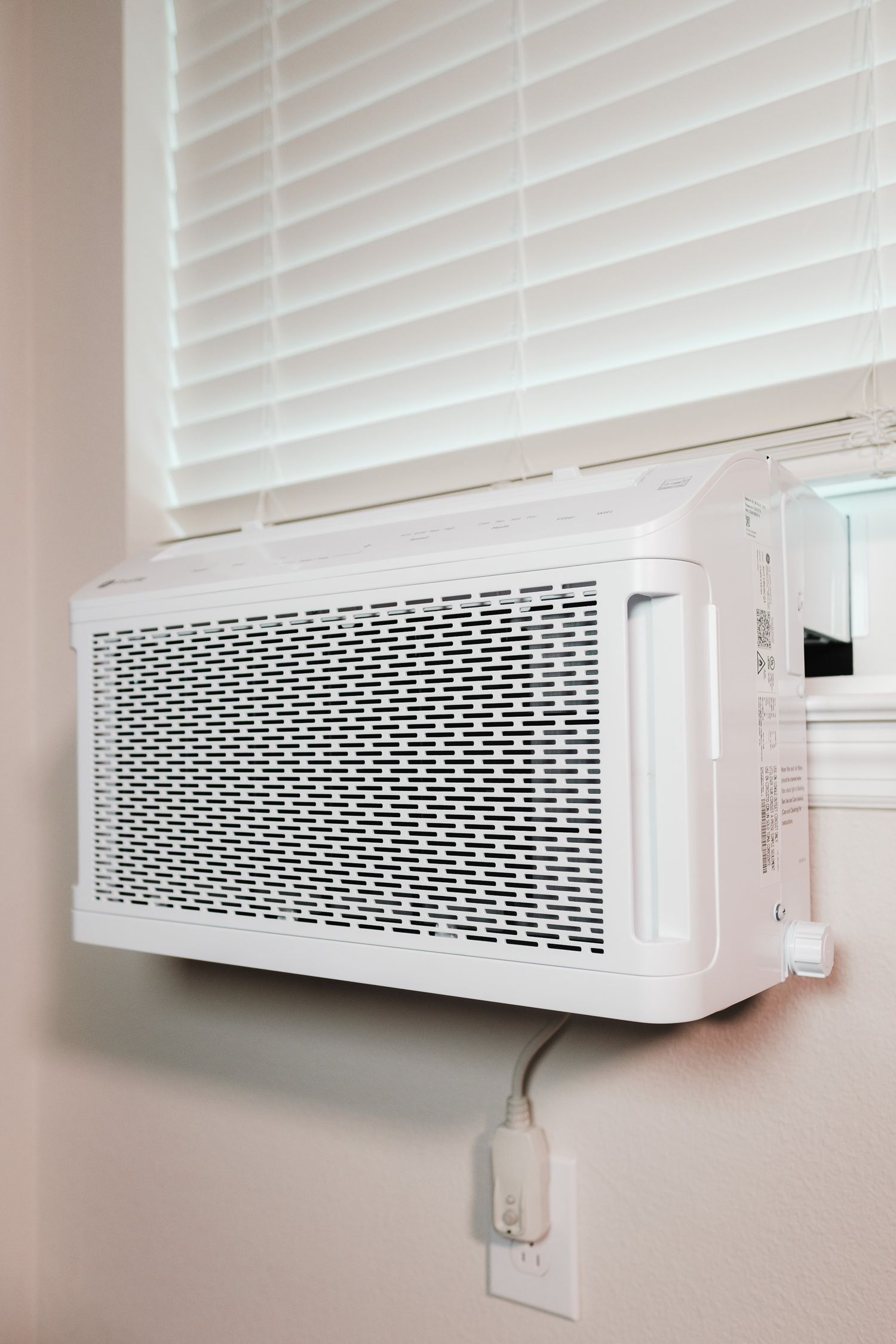
Modern wall mounted split system air conditioner in a clean residential interior
Filters and AirflowFilter care is one of the most useful routine maintenance tasks, but the correct method and interval still depend on the actual system.
Filter Maintenance Explained

How Often to Clean Air Conditioner Filters in Perth

Dirty filters reduce airflow. Australian Energy Rating guidance states that clogged filters can reduce airflow and energy efficiency, while cleaning or replacing a worn filter can reduce energy use. Daikin Australia currently gives a general rule of cleaning indoor unit filters every two weeks, with more frequent cleaning in dusty or polluted environments. Mitsubishi Electric also uses two week filter cleaning guidance for many regularly used systems.

Do not universalise the interval

Filter type, model, pets, dust, smoke, environment and usage can change the appropriate frequency.

Use the manual

The manual explains how to access, clean, dry and reinstall the exact filter fitted to the unit.

Dry before refitting

Manufacturer instructions commonly require washed filters to be properly dried in the shade before reinstallation.

Ducted filters differ

Ducted return air filters can use different media and configurations from wall mounted split system filters.

Secondary filters differ

Air cleaning, deodorising, anti allergy and optional filters may have their own cleaning or replacement schedule.

Do not copy another model's cleaning procedure.

Mitsubishi Electric specifically notes that cleaning instructions can differ between wall mounted, floor console, cassette, bulkhead and other systems. Always identify the exact model first.

Split vs Ducted Maintenance

Split System vs Ducted Air Conditioning Maintenance Requirements

A wall mounted split has accessible components in the room. A ducted system also includes return air filtration, concealed indoor equipment, ductwork, zoning components and ceiling space service access.

Maintenance Area
Split System
Ducted System
Primary filter
Commonly located behind the front fascia of the indoor unit.
Commonly associated with the return air grille or return air system.
Indoor equipment
Visible and generally easier to observe for dust, odour, water or airflow changes.
Often concealed in roof or ceiling space and requires appropriate service access.
Air distribution
Air exits directly from the indoor unit into the room.
Ducts, outlets, return air and zoning components form part of the distribution system.
Homeowner cleaning
Many manufacturers provide owner filter cleaning procedures for wall mounted systems.
Return air filter care may be owner accessible, but concealed equipment and duct cleaning can require professional methods.
Service access
Indoor and outdoor units both need practical service access.
Access to the concealed unit, filters, drains, controls and zone equipment should remain practical.

Clear obvious obstructions

Keep leaves, loose debris, storage and vegetation from blocking the unit's air path. Do not dismantle guards or panels to clean internal components yourself.

Preserve service access

Do not permanently box the unit into an enclosure that prevents inspection, airflow or future component access.

Watch for unusual vibration

New vibration, rattling or movement can justify professional inspection rather than assuming it is normal compressor operation.

Do not pressure wash blindly

Coils, fins, controls and electrical components can be damaged by inappropriate cleaning. Follow manufacturer guidance or use a technician.

Keep drainage and surrounding area sensible

Visible water or drainage behaviour should be assessed in context, particularly if it changes suddenly or causes building damage.

ImportantCleaning around the outdoor unit is different from opening and servicing it.

Internal electrical, refrigeration and technical service work belongs with appropriately qualified personnel.

Professional Air Conditioning Service

What Professional Air Conditioning Service in Perth Should Check

A professional service is not simply “spray cleaner and leave.” The exact checklist depends on the system and manufacturer, but the objective is to confirm cleanliness, airflow, drainage, controls, mechanical condition, electrical condition and overall operation within the technician's scope.

SERVICE OUTCOME
Airflow

Clean, unrestricted and appropriate for the system.

Drainage

Condensate leaves the unit correctly without leaks.

Controls

Modes, sensors and zones behave as intended.

Condition

Issues are recorded before they become larger faults.

Professional Maintenance Scope
01
Review operation and reported symptoms

Confirm whether heating, cooling, fan, controls, zones and operating modes behave as expected.

02
Inspect filters and accessible heat exchange surfaces

Assess contamination, restriction and cleaning requirements using suitable methods for the product.

03
Assess condensate drainage

Look for blockage, leakage, poor drainage behaviour or signs that water management needs corrective work.

04
Inspect indoor and outdoor airflow conditions

Obstruction or contamination can reduce system performance even when the refrigeration circuit is healthy.

05
Check controls, sensors and fault history where applicable

Operational problems can originate from control or communication issues rather than major mechanical failure.

06
Inspect technical components within licence and service scope

Electrical and refrigeration work must remain within the applicable licensing requirements.

07
Record findings and recommended corrective actions

A useful service report distinguishes routine maintenance from faults, repairs and future watch items.

Residential filters

Daikin Australia currently gives a general two week cleaning rule for indoor filters, with more frequent cleaning in dusty environments. Mitsubishi Electric also recommends every two weeks for many regularly used residential filters. Always confirm the exact model manual.

Light seasonal use

Some manufacturer guidance allows a longer interval where equipment is used infrequently, but the manual and actual filter condition should decide rather than a calendar alone.

Professional residential service

Australian Government guidance recommends regular licensed service and inspection before peak use. Mitsubishi Heavy Industries Australia currently recommends annual professional servicing.

Pets / dusty environments

Higher contamination can justify more frequent filter inspection and cleaning because filters can load faster.

Commercial systems

Use a site specific maintenance plan based on operating hours, occupancy, environment, equipment type, duty and manufacturer requirements. A home schedule should not be copied onto a heavily used commercial system.

Best RuleThe manufacturer manual is the baseline. Actual operating conditions determine whether maintenance needs to happen sooner.

The goal is not to reach a particular calendar date. It is to keep the system clean, unrestricted, serviceable and operating as designed.

Warning Signs

Air Conditioner Warning Signs That Need Service or Repair

A dirty filter can cause poor performance, but not every symptom should be blamed on maintenance. Persistent changes deserve diagnosis.

Airflow

Airflow Remains Weak After Basic Filter Care

Further restriction, fan, coil, duct or system performance issues may need inspection.

Escalate if the problem remains.
Water

Water Appears Around the Indoor Unit

Drainage, condensate management, contamination or installation problems can require professional attention.

Do not ignore building damage risk.
Electrical

Breaker Trips, Burning Smell or Electrical Symptoms

Electrical faults are not routine owner maintenance. Stop repeated resetting and arrange appropriate assessment.

Safety overrides convenience.
Noise

New Grinding, Rattling or Severe Vibration

A new mechanical sound can indicate loose, damaged or failing components.

New severe noise deserves inspection.
Odour

Persistent Musty or Unusual Smell

Filter contamination may be one cause, but persistent odour can justify broader cleaning and inspection.

Do not mask the source with fragrance.
Performance

The System Runs but No Longer Heats or Cools Properly

Controls, airflow, refrigeration, electrical or mechanical faults may be involved.

Maintenance alone may not solve a fault.
Maintenance Records & Warranty

Why Air Conditioning Service Records and Warranty Documents Matter

Good maintenance documentation helps identify patterns, confirms what work has already been done and supports future warranty, repair and replacement discussions. Warranty conditions differ by manufacturer and application, so the exact warranty terms should always be checked.

Model & serial number

Useful for manuals, spare parts, warranty and technical support.

Installation date

Helps establish system age and the relevant warranty period.

Service dates

Shows how consistently the system has been professionally maintained.

Fault and repair history

Repeated failures can become important in repair versus replacement decisions.

Filter / consumable history

Useful where secondary filters, disposable media or accessories have replacement schedules.

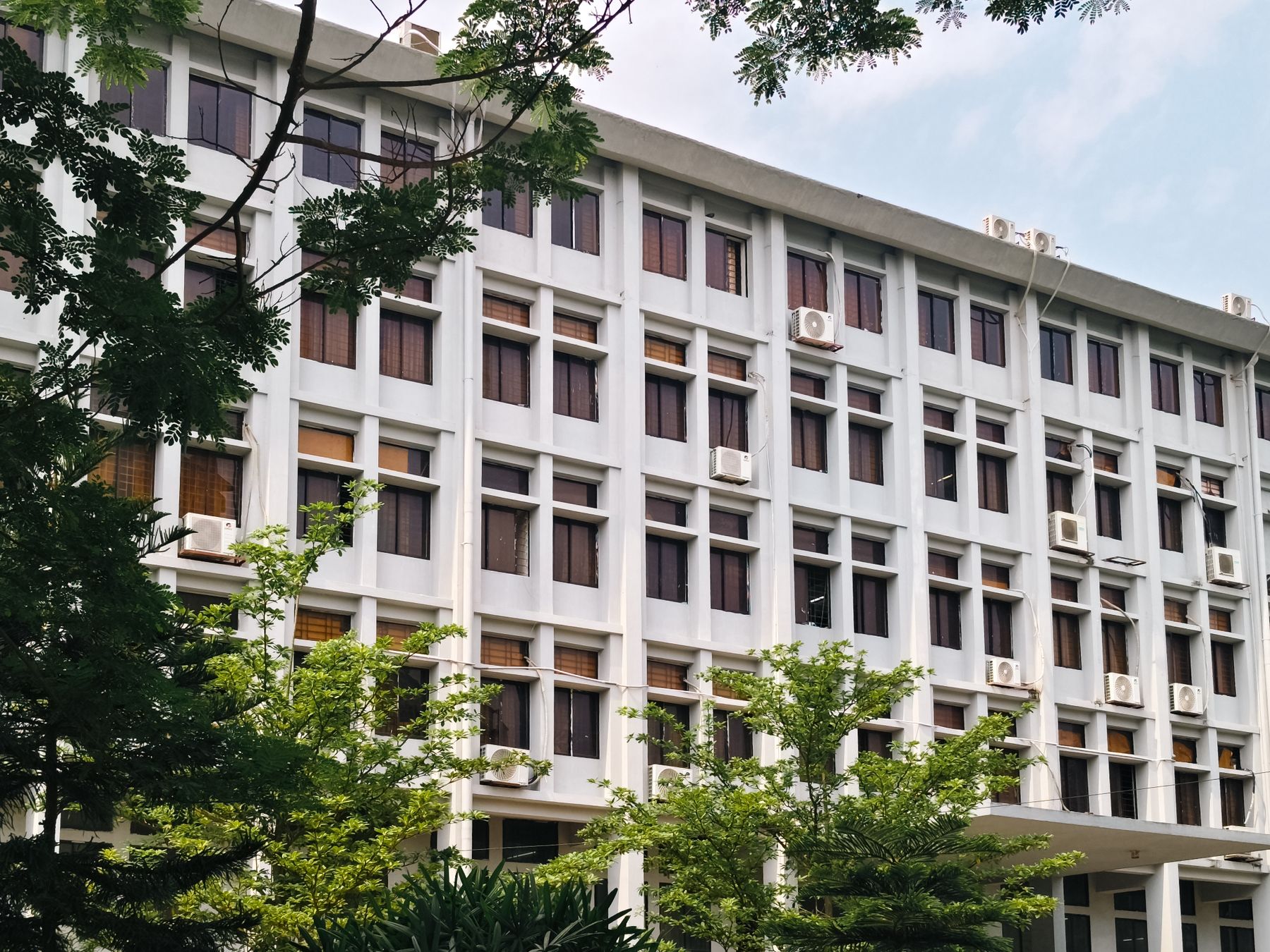
Modern commercial office building with visible air conditioning equipment
Commercial HVAC Maintenance Perth

High Use Buildings Need a Maintenance Plan, Not Occasional Attention

Commercial Maintenance

Commercial Air Conditioning Maintenance Perth for High Use Buildings

A commercial office, retail store, hospitality venue or other high use property should not automatically follow a residential maintenance interval. For commercial air conditioning maintenance, planning should reflect duty, occupancy, environment, equipment type, controls, service access and the consequence of downtime.

01
Asset register

Track equipment model, location, age, capacity and service history.

02
Planned schedule

Set maintenance frequency around equipment duty and manufacturer requirements.

03
Filters and airflow

High occupancy or dusty environments can require more frequent inspection.

04
Drainage and water management

Condensate issues can damage ceilings, stock or business areas if ignored.

05
Controls and zones

Confirm schedules, sensors and zones are still aligned with actual occupancy.

06
Service reports

Use maintenance history to identify recurring faults and ageing assets before failure disrupts operations.

There is no universal interval for every system. Australian Government guidance recommends regular servicing by a licensed technician and a service inspection before peak use periods. Mitsubishi Heavy Industries Australia currently recommends annual professional servicing. Heavy use, commercial, dusty or unusual environments may need a different schedule, so also follow the manufacturer instructions for the exact equipment.

Daikin Australia currently gives a general rule of cleaning indoor unit filters every two weeks, with more frequent cleaning in dusty or polluted environments. Mitsubishi Electric also recommends two week cleaning for many frequently used residential filters. Exact requirements vary by product, filter type and usage, so the model manual remains the primary instruction.

Suitable owner cleaning can include filters and accessible surfaces where the manufacturer manual provides a procedure. Do not turn technical dismantling, electrical work, refrigerant work or uncertain internal cleaning into a DIY task. Some ducted, cassette, bulkhead and outdoor equipment may require professional cleaning methods.

Refrigerant is not a routine consumable that should simply disappear during normal operation. Mitsubishi Heavy Industries Australia states re gassing is needed where the system has been damaged and there is a refrigerant leak. If refrigerant loss is suspected, the cause should be diagnosed by appropriately licensed personnel rather than repeatedly topping up the system without addressing the underlying issue.

Dirty or clogged filters restrict airflow and can reduce heating and cooling effectiveness and energy efficiency. Australian Energy Rating guidance states that cleaning clogged filters or replacing worn filters can lower the energy use of the unit.

Yes. A split system normally has accessible filters and a visible indoor unit. A ducted system can also include a return air filter, concealed indoor equipment, ducts, outlets, zone dampers and ceiling space access. The appropriate cleaning and professional service scope therefore differs.

You can keep the surrounding area clear of obvious leaves, storage and vegetation, but do not open the equipment or use aggressive cleaning methods without manufacturer guidance. Internal coil, electrical and refrigeration work can require professional methods and the appropriate licence scope.

Water can relate to condensate drainage, contamination, blockage, installation condition or other system issues. If basic manufacturer approved filter care does not resolve an obvious airflow issue, persistent water leakage should be professionally inspected rather than ignored.

Maintenance can help the system operate without unnecessary airflow restriction or contamination. Energy Rating specifically states dirty filters reduce airflow and efficiency. Actual electricity use still depends on system capacity, efficiency, thermostat, operating hours, weather and the building itself.

The exact work depends on the worker's licence scope. WA Building and Energy states that qualified refrigeration and air conditioning personnel carrying out electrical work require the appropriate restricted electrical licence, and the scope can include particular disconnect/reconnect, fault finding and work within R&AC equipment. A restricted licence does not automatically authorise fixed wiring installation or alteration. The individual's actual licence scope should be checked for the work being performed.

Air Conditioning Maintenance Perth

Book Air Conditioning Maintenance in Perth Before Small Problems Grow

Keep filters and accessible components clean in line with the manufacturer instructions, arrange professional service at an appropriate interval, and investigate changes in airflow, water, noise or performance instead of waiting for a complete breakdown.

AC Maintenance File
SystemBrand · model · serial · installation date
Owner CareFilters · visible dust · outdoor clearance
ServiceInspection · airflow · drainage · controls
WarningsNoise · water · smell · low airflow · faults
RecordsService reports · repairs · warranty · history