
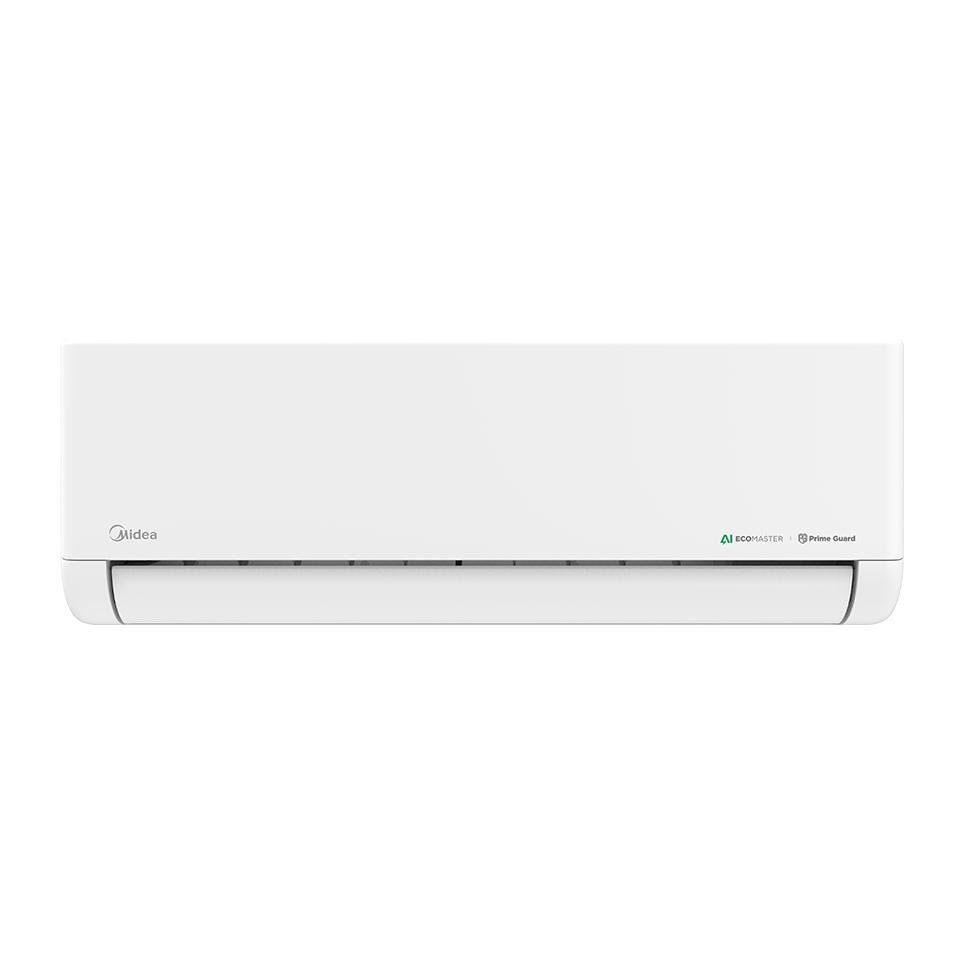
High Wall Split
Start with Athena, GAIA, EOS or Venus in a capacity suitable for the actual room load. Bedrooms, studies and living zones can have very different sizing needs.
Explore split systems →

Comfort Systems helps Perth homes and businesses compare current Midea air conditioning across smart wall-mounted splits, multi room systems, concealed ducted comfort, cassette solutions and commercial HVAC pathways. The right choice starts with room load, property layout, capacity, airflow, controls, installation access and future serviceability — not simply the model with the longest feature list.
Official Midea Australia range featuring AI ECOMASTER, Smart Control, CoolFlash, Prime Guard and healthier air functions.
AI ECOMASTER, fast response and SmartHome control.
Fresh air intake, H13 HEPA filtration and Breezeless comfort.
High efficiency range with fast cooling and long reach airflow.
Compatible indoor units coordinated to one outdoor system.
Concealed reverse cycle distribution for multiple areas.
Ceiling cassette and broader commercial HVAC pathways.
Midea Australia’s current climate control offering spans high wall split systems, multi system configurations, ducted air conditioning and cassette solutions, while its Australian commercial HVAC category also includes VRF, chillers and air to water heat pump pathways.
In March 2026 Midea opened its first dedicated HVAC showroom and experience centre in Australia. The Melbourne facility brings consumer residential air conditioning together with Midea Building Technologies solutions, reflecting a local strategy that reaches from apartment and family home comfort through to commercial projects.
For most Perth projects, the fastest way to narrow Midea air conditioning is to start with how many rooms need comfort, how much outdoor plant space is available and whether you want visible wall units or concealed air distribution.
Start with Athena, GAIA, EOS or Venus in a capacity suitable for the actual room load. Bedrooms, studies and living zones can have very different sizing needs.
Explore split systems →A Midea multi system can reduce the number of outdoor units where compatible indoor combinations, pipe routes and expected simultaneous use make sense.
Explore multi split →For concealed distribution, ducted selection needs roof space, return air, duct routes, zoning, static pressure and service access considered as one design.
Explore ducted systems →Commercial loads, longer operating hours and fit-out constraints can shift the choice toward cassette, ducted, VRF or other building-scale HVAC pathways.
Commercial air conditioning →Rather than treating the indoor unit as a simple on/off appliance, the current Athena range combines inverter control, app connectivity and Midea’s AI ECOMASTER positioning with features aimed at faster response and stronger outdoor durability.
Midea currently lists Athena indoor units across several capacities, with the range centred on AI assisted energy management, remote control and rapid comfort response.
Midea states the system uses smart algorithms to balance cooling performance and running cost, with manufacturer claims of more than 30% energy use reduction in the relevant operating comparison.
Midea states Athena can reduce room temperature by 6°C in 10 minutes under its stated test conditions, supporting fast pull down when comfort is needed quickly.
App based control supports remote operation and energy monitoring through Midea’s connected home ecosystem.
Midea positions Prime Guard as added protection for outdoor durability in demanding Australian conditions.
Current Athena product pages also list air filtration and circulation features intended to support cleaner indoor air.
Midea’s Australian split range is broad enough that Midea air conditioning should be compared by room requirement, capacity and feature set, not simply by brand badge.

GAIA combines an H13 HEPA filter, fresh air technology, 56°C self cleaning and Breezeless airflow control. Midea uses the series as its strongest residential air quality proposition.

EOS is positioned around efficient everyday comfort. Midea currently highlights up to a 7-star energy rating on relevant models, fast cooling, up to 7.7m airflow and SmartHome control.

Venus combines SmartSave operation, 3D airflow, dual filtration and app based control, creating a straightforward pathway for bedrooms, living areas and other residential spaces.
Premium comfort comes from the finished result: appropriate capacity, sensible airflow, clean equipment placement and a system architecture that suits how the property is actually used.
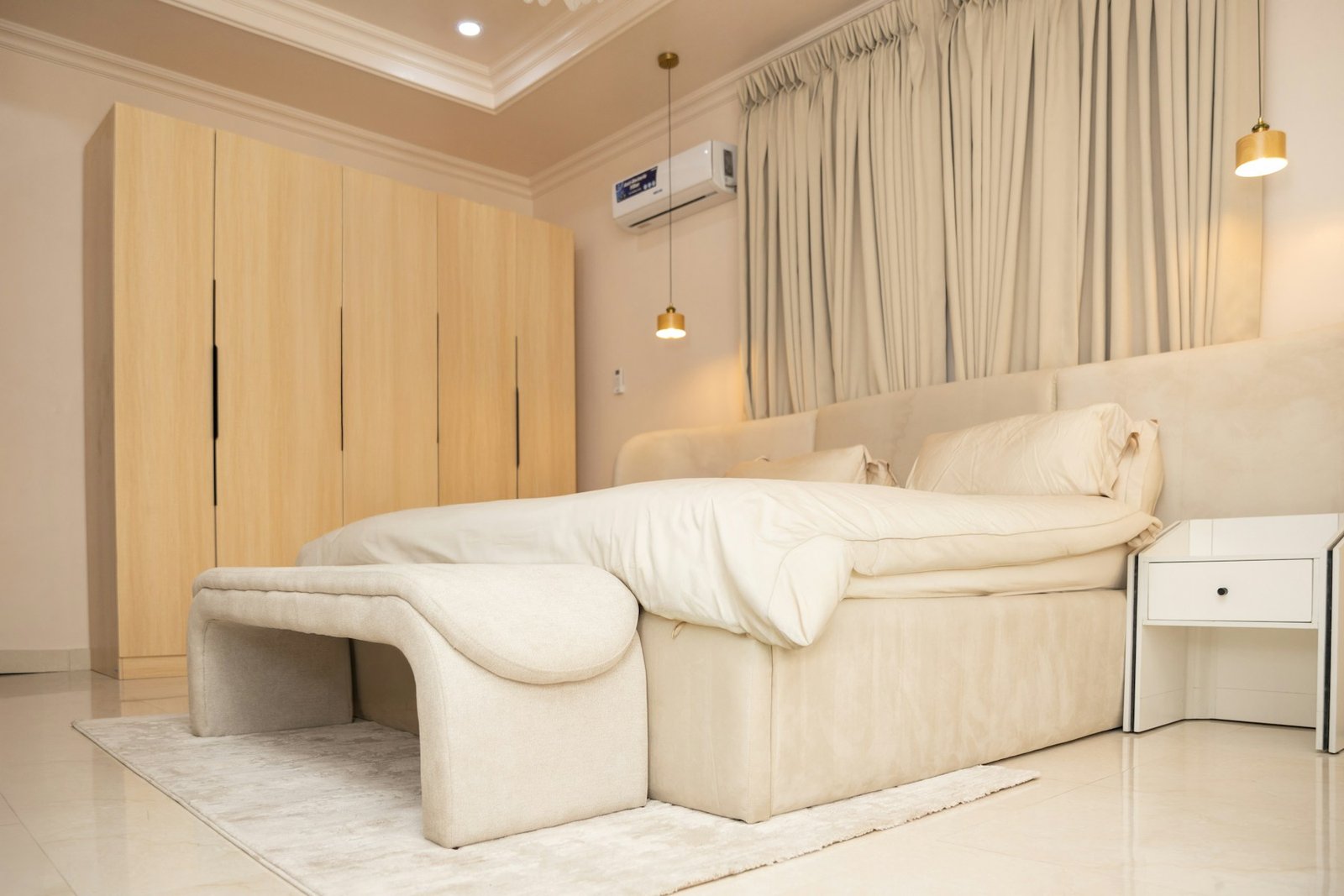
For a bedroom, low-noise operation, sensible indoor-unit position, airflow direction and correct capacity can matter more than simply buying a larger unit.
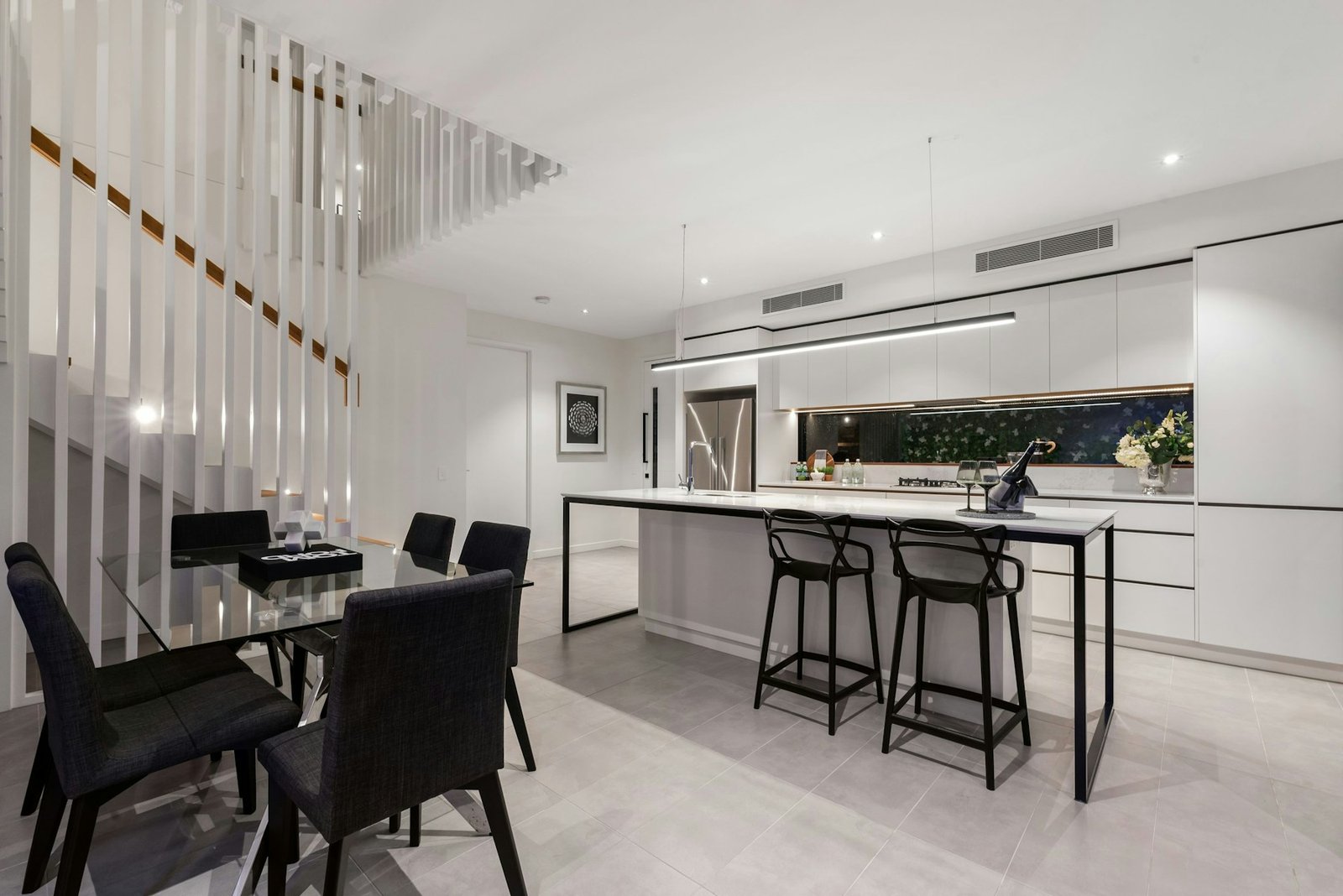
Ducted Midea air conditioning should be planned around air distribution, return-air location, zone strategy, ceiling space and future access.
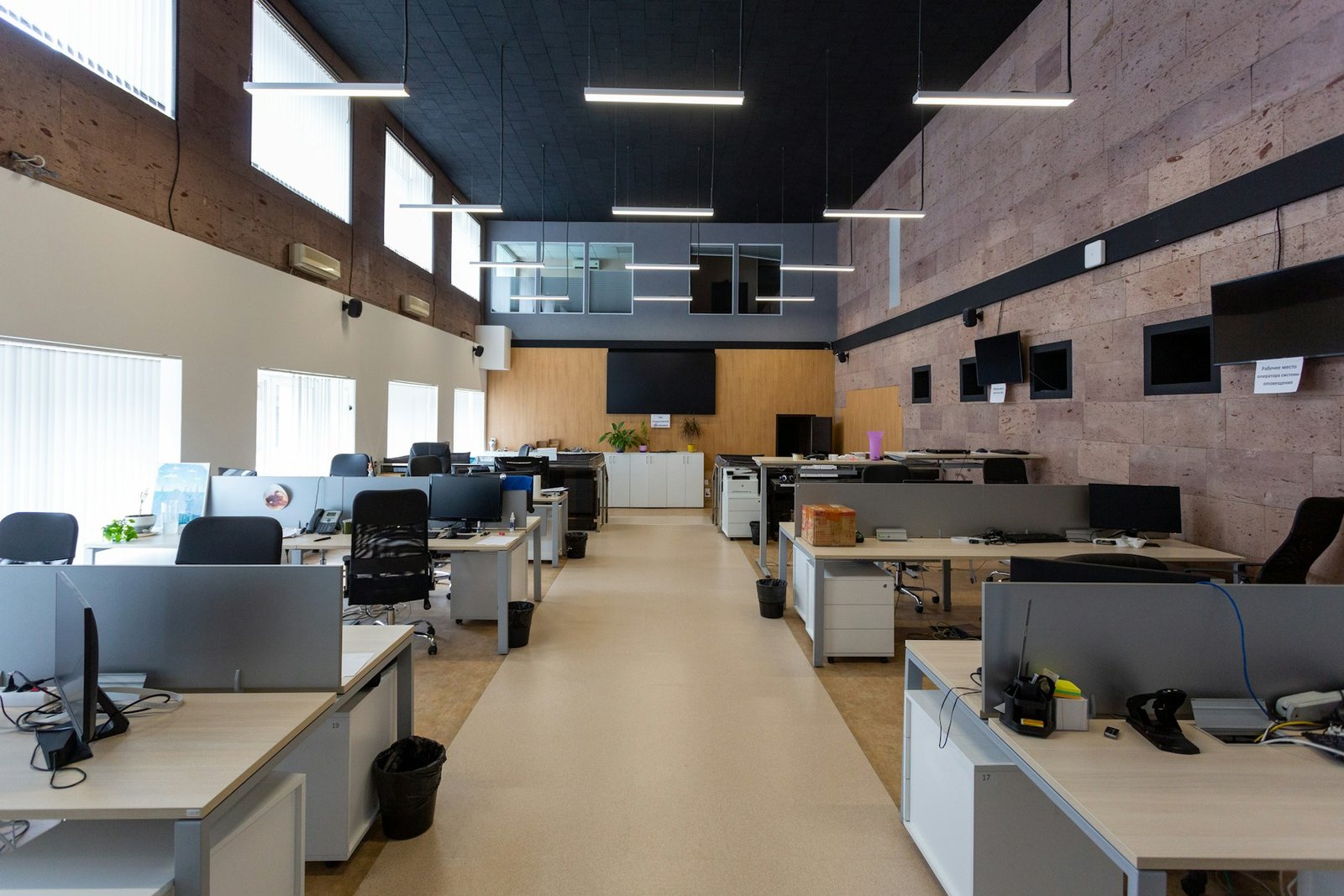
Offices and retail spaces need HVAC selected around occupancy, internal heat loads, operating hours, controls, plant access and maintenance continuity.
Midea’s current Australian air conditioning portfolio includes multi system architecture for projects where several compatible indoor units need to share an outdoor platform rather than creating a row of separate condensers.
Multi system design can reduce external plant clutter compared with installing a separate single split outdoor unit for every room.
Compatible wall mounted and other indoor unit styles can be considered around room layout and application.
Outdoor unit selection should account for the indoor unit combination, expected simultaneous use and project specific pipework constraints.
Outdoor placement, drainage, pipe routes and access remain important even when the visual objective is to minimise equipment.


Midea’s current Australian HVAC material features the Vesta ducted system alongside Prime Guard and concealed installation themes. Current 2026 Australian product listings include Vesta ducted sets from 7.0kW through 17.0kW.

Midea currently presents cassette systems as a dedicated Midea air conditioning pathway, while Midea Australia’s commercial HVAC category expands further into VRF, chillers and air to water heat pumps through its building technology portfolio.
The meaningful comparison is feature by feature. Air quality technology, energy management functions, airflow behaviour and smart controls vary between Midea series. For a broader brand comparison, see our air conditioning brands guide.
AI led energy management positioning, Smart Control, CoolFlash and Prime Guard on current Athena models.
H13 HEPA filtration, fresh air technology, 56°C self cleaning and Breezeless airflow are core GAIA differentiators.
Current Midea material highlights up to a 7-star energy rating on relevant EOS models and long reach airflow.
Venus combines energy management modes, directional airflow, filtration and SmartHome connectivity.
Ducted, cassette and commercial HVAC selection depends heavily on building layout, capacity, controls, access and installation design.
Capacity should be selected for the building load, not copied from an old unit or chosen from floor area alone. A Perth room with large west-facing glazing, high ceilings or poor insulation can behave very differently from a shaded, well-insulated room of the same floor size. That is why Midea air conditioning selection should account for room dimensions, ceiling height, insulation, glazing, orientation, shading, occupancy and how the space is used.
Installation also changes the result. For a wall split, indoor-unit position affects air distribution and the practical route for refrigeration pipework, drainage and electrical services. Outdoor-unit position must preserve the clearances and ventilation required by the selected model while considering noise, sun exposure and future service access. For a ducted system, capacity is only part of the design: duct sizing, return air, outlets, zoning, static pressure and roof access need to work together.
For model-specific features and capacities, use current Midea Australia product information. For efficiency comparisons between eligible products, compare like-for-like capacities using Australian Government energy-rating information. Refrigerant work in Australia must remain within the appropriate licensed scope.
A smaller capacity split can make sense where comfort is concentrated in one room. Athena, GAIA, EOS or Venus may be worth comparing depending on priority.
Capacity, airflow reach, glazing, solar load and room volume become more important than simply choosing the most feature-rich indoor unit. Use our sizing guide before choosing capacity.
A multi system may reduce outdoor unit clutter where a compatible combination suits the required indoor unit capacities and expected simultaneous use.
Vesta ducted or another suitable ducted configuration should be assessed around ceiling space, duct design, zoning, return air strategy and service access.
Cassette, ducted and larger commercial HVAC pathways may be appropriate depending on occupancy, fit out, plant access and the building’s control requirements.
A good purchase decision continues after installation. Filters, airflow, drainage, outdoor-unit condition, operating habits and service access all influence how Midea air conditioning performs over time.
Follow the selected model’s manual for filter cleaning and maintenance. Restricted airflow can reduce comfort and make the system work harder.
Service & maintenance →Smart controls help with scheduling and monitoring, but realistic set temperatures, shading, insulation and conditioning only the areas in use still matter.
Electricity-use guide →If cooling, heating, drainage or noise changes, treat the symptom as something to diagnose. “Re-gassing” should not be assumed to be the answer to every performance problem.
Air conditioning repair →Warranty, registration, software support and product-specific conditions can vary by model and date. Confirm current Midea Australia terms for the exact equipment selected.
Compare air conditioning brands →Midea air conditioning can cover a wide range of Perth applications because the Australian range includes wall splits, multi systems, ducted and cassette pathways. The right fit still depends on the room load, property layout, desired controls, installation access and the particular model. Brand alone cannot replace correct sizing and installation design.
Midea currently positions Athena prominently in its Australian split-system range. Current official Athena pages list AI EcoMaster, I-Clean Pro healthy-air management, Prime Guard and SmartHome-based remote control and energy monitoring. The relevant capacity should be chosen first, then those features can be compared with GAIA, EOS, Venus and other suitable series.
GAIA is positioned around air-quality and airflow features. Current Midea Australia information lists an H13 HEPA filter, fresh-air technology, 56°C-Clean and Breezeless technology. Those features can be attractive where filtration and softer airflow are priorities, but room sizing and installation quality remain just as important as the feature set.
EOS is positioned around efficient everyday comfort, long-reach airflow and SmartHome control, with Midea currently advertising up to a 7-star energy rating on relevant EOS models. Venus provides another residential pathway with SmartSave, 3D airflow, filtration and connected control features. Compare only models that genuinely suit the required capacity.
Do not select capacity from floor area alone. Room dimensions, ceiling height, insulation, glazing, orientation, shading, heat gain, occupancy and Perth conditions can all change the load. Use a proper sizing process before comparing models. Our Perth air conditioner sizing guide explains the main factors.
Yes. Midea Australia currently presents ducted air conditioning including the Vesta pathway. A whole-home ducted project needs more than an equipment capacity: ceiling space, return air, duct layout, outlet positions, zoning, static pressure, outdoor plant and future maintenance access should be designed together.
Yes. Midea’s Australian portfolio includes multi-system architecture for compatible multi-room combinations. Exact indoor-unit combinations, connected capacity, pipe lengths, height differences and other limits need to be checked against the selected outdoor model rather than assumed from a generic multi-split description.
Yes. Midea Australia presents cassette systems and a broader commercial HVAC category. Midea Building Technologies also operates in building-scale areas such as VRF, chillers and air-to-water heat pumps. The correct commercial architecture depends on the building, occupancy, controls, operating hours, service access and project requirements.
On compatible models, Midea SmartHome can provide app-based remote operation and connected functions. Current Athena information also describes monitoring of usage duration and power consumption. Connected features are useful for scheduling and visibility, but they do not remove the need for correct sizing or sensible thermostat and runtime choices.
No. Manufacturer test figures describe performance under specified test conditions. Actual electricity use depends on the exact model, capacity, outdoor temperature, room load, set point, insulation, doors and windows, operating hours, zoning and tariff. Use official energy-rating data to compare similar-capacity eligible systems, not headline claims in isolation.
The indoor unit should support even airflow across the occupied area while allowing a practical refrigeration-pipe route, condensate drainage, electrical connection and service access. Avoid choosing a position only because it is the easiest wall. Furniture, doors, room geometry and direct airflow onto beds or seating should also be considered.
Use the model-specific installation requirements for clearances and airflow. In practice, also consider service access, sun exposure, nearby windows and bedrooms, vibration, neighbours, drainage and pipe-route practicality. Screens or enclosures should never compromise the airflow the outdoor unit needs to reject or absorb heat.
There is no single service interval for every property. Follow the selected model’s manual and adjust the maintenance plan for operating hours, dust, coastal exposure and equipment duty. User-cleanable filters usually need attention more often than professional maintenance. Commercial or heavily used systems may justify a more structured preventative-maintenance schedule.
Refrigerant should not be treated like fuel that is routinely consumed. If charge is low, the system needs investigation for a leak, installation issue or fault. Refrigerant handling is licensed work in Australia, so diagnosis and charging should be performed by appropriately licensed personnel.
Start with the rooms or areas to be conditioned, current problems, property type, ceiling or roof access, preferred indoor appearance and whether you need one room, several rooms or whole-home comfort. Then compare capacity, system type, controls, installation scope, electrical work, access and ongoing serviceability — not only the equipment price.
Share the rooms or areas you want to heat and cool, the property type and any preference for split, multi room or ducted comfort. Comfort Systems can then narrow the discussion to Midea products that fit the actual application.