Ciara™ or Avanti Plus®
Ciara currently spans 1.5 to 7.1kW and includes built-in Wi-Fi and voice-control compatibility. Avanti Plus spans 2.0 to about 6.0kW and is positioned as a premium efficiency-focused split range.
Explore split systems →

MHI air conditioning gives Perth buyers several distinct pathways rather than one generic system: wall-mounted split systems for individual rooms, multi split architecture for several rooms, concealed ducted systems for whole-home comfort and VRF for larger commercial buildings. Comfort Systems helps narrow the range around real room load, layout, airflow, controls, installation access, electrical requirements and long-term serviceability.
Current reverse cycle range: 2.0, 2.5, 3.5, 5.0 and 6.0kW, with built in Wi Fi available on the current WF range.
Efficient wall mounted reverse cycle pathways.
6.3 to 10.0kW with long reach airflow.
One outdoor unit serving up to five indoor units.
Concealed reverse cycle ducted systems.
Commercial multi zone system architecture.
Mitsubishi Heavy Industries’ Australian air conditioning business sits within a much broader engineering group. MHIAA’s current company history says MHI turned its engineering capability to air conditioning in Japan in 1953, introduced units to Australia through a local distributor in 1975, established its first Australian company in 1999 and formed Mitsubishi Heavy Industries Air Conditioners Australia in 2009.
For a Perth property owner, the useful point is not the history by itself. It is the breadth of the current HVAC portfolio: wall mounted splits, floor and bulkhead indoor units, multi split systems, residential ducted systems, compact commercial products and large VRF architecture. That allows system type to follow the building instead of forcing every property into one product category.
If you are comparing MHI air conditioning, start with the building problem rather than the product badge. The number of rooms, available outdoor space, preference for visible or concealed indoor units, required capacity and how the property is occupied will normally narrow the system type quickly.
Ciara currently spans 1.5 to 7.1kW and includes built-in Wi-Fi and voice-control compatibility. Avanti Plus spans 2.0 to about 6.0kW and is positioned as a premium efficiency-focused split range.
Explore split systems →Bronte starts at higher capacities from 6.3 to 10.0kW and is designed for larger spaces, with long-reach airflow and built-in Wi-Fi on current WF1 models.
Compare room splits →One outdoor unit can serve two to five compatible indoor units depending on model, helping reduce outdoor-unit clutter while allowing individual room control.
Multi split guide →These ducted pathways cover compact to higher-static applications. Selection needs roof space, duct routes, return air, zoning, capacity, static pressure and future access considered together.
Ducted air conditioning →For multi-zone commercial projects, the current MHI VRF portfolio extends from compact systems to large building-scale platforms with different two-pipe and heat-recovery architectures.
VRF / VRV systems →Avanti Plus and Bronte are not simply different badges on the same unit. MHIAA currently positions Avanti Plus as its platinum split series, while Bronte targets larger spaces with high capacity, long reach airflow.
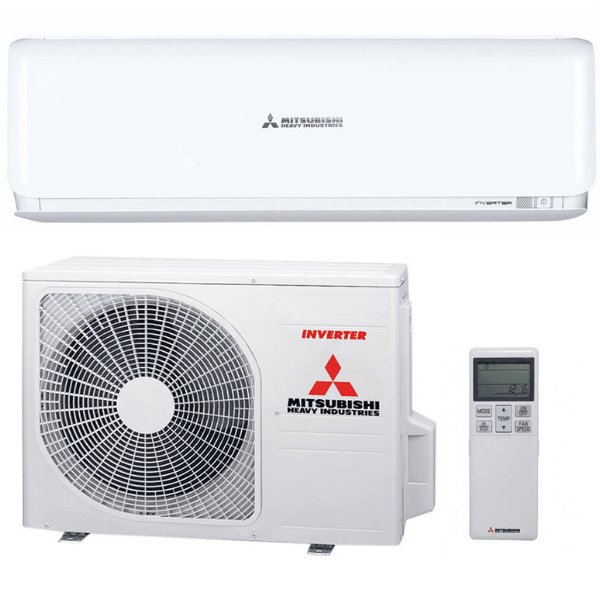
MHIAA currently lists Avanti Plus in reverse cycle capacities from 2.0kW to 6.0kW. Key features include energy saving motion sensing, 3D Auto airflow, Clean Air Technology and built in Wi Fi on current WF models.

The current Bronte range spans 6.3 to 10.0kW. MHIAA lists Jet Air Technology and up to 18m cooling airflow on 7.1 to 9.5kW models, with current WF1 models adding built in Wi Fi and NOVAShield™ PM2.5 filtration.
This MHI air conditioning comparison table is a practical starting point, not a substitute for sizing. Capacities and features should always be checked against the exact current model because individual variants can differ.
| System / series | Current capacity direction | Best starting use | Useful features / design point |
|---|---|---|---|
| Ciara™ | 1.5–7.1kW | Small to medium rooms | Built-in Wi-Fi, voice-control compatibility, compact wall-mounted design and Clean Air Technology. |
| Avanti Plus® | 2.0–6.0kW class | Bedrooms, studies, living zones | Premium split positioning, 3D Auto airflow, motion sensing on relevant models and Smart M-AIR control on WF models. |
| Bronte® | 6.3–10.0kW | Larger living areas / open spaces | High-capacity wall-mounted pathway, Jet Air Technology and built-in Wi-Fi on current WF1 variants. |
| SCM ZS-W | 4.0–10.0kW outdoor range | Several separately controlled rooms | Two to five compatible indoor units depending on model; some models allow total pipe runs up to 75m and height differences up to 20m. |
| FDUM | 5.0–5.6kW | Smaller concealed applications | Compact medium-static ducted pathway with quiet operation, timers, dry and economy modes. |
| FDU | 7.1–14.0kW | Whole-home / larger ducted design | Slim medium/high-static ducted architecture with high-power, silent and scheduling functions. |
| FDUA | 10.0–23.5kW | Higher-static / larger ducted applications | Higher static-pressure range for more demanding duct architecture and larger capacities. |
| KX / KXZ VRF | Approx. 9–168kW across families | Commercial multi-zone buildings | Two-pipe and three-pipe families, including R32 KXZ3 and heat-recovery pathways for complex buildings. |
2026 buyer context: MHIAA announced that the Avanti® and Bronte® ranges received 2026 ProductReview.com.au Top Rated Split System Air Conditioner awards. Awards can be useful supporting context, but they should not replace project-specific sizing, installation quality, energy-rating comparison or after-sales requirements.
MHIAA’s current SCM ZS W multi split range is designed for multiple rooms where separate outdoor units would create too much external plant or visual clutter. The outdoor range spans 4.0 to 10.0kW and supports two to five compatible indoor units depending on the selected model.
Current category guidance lists a maximum of five indoor units on suitable SCM models.
Connected rooms can be controlled individually for their local temperature and operation requirements.
MHIAA lists total pipe runs up to 75m and height differences up to 20m on some current models.
Compatible wall mounted, floor, bulkhead, compact cassette and selected ducted indoor units can be used where the combination allows.

The finished result matters more than a brochure feature list. MHI air conditioning should be planned around comfort distribution, equipment position, noise, visual impact, access and the way each room is occupied.
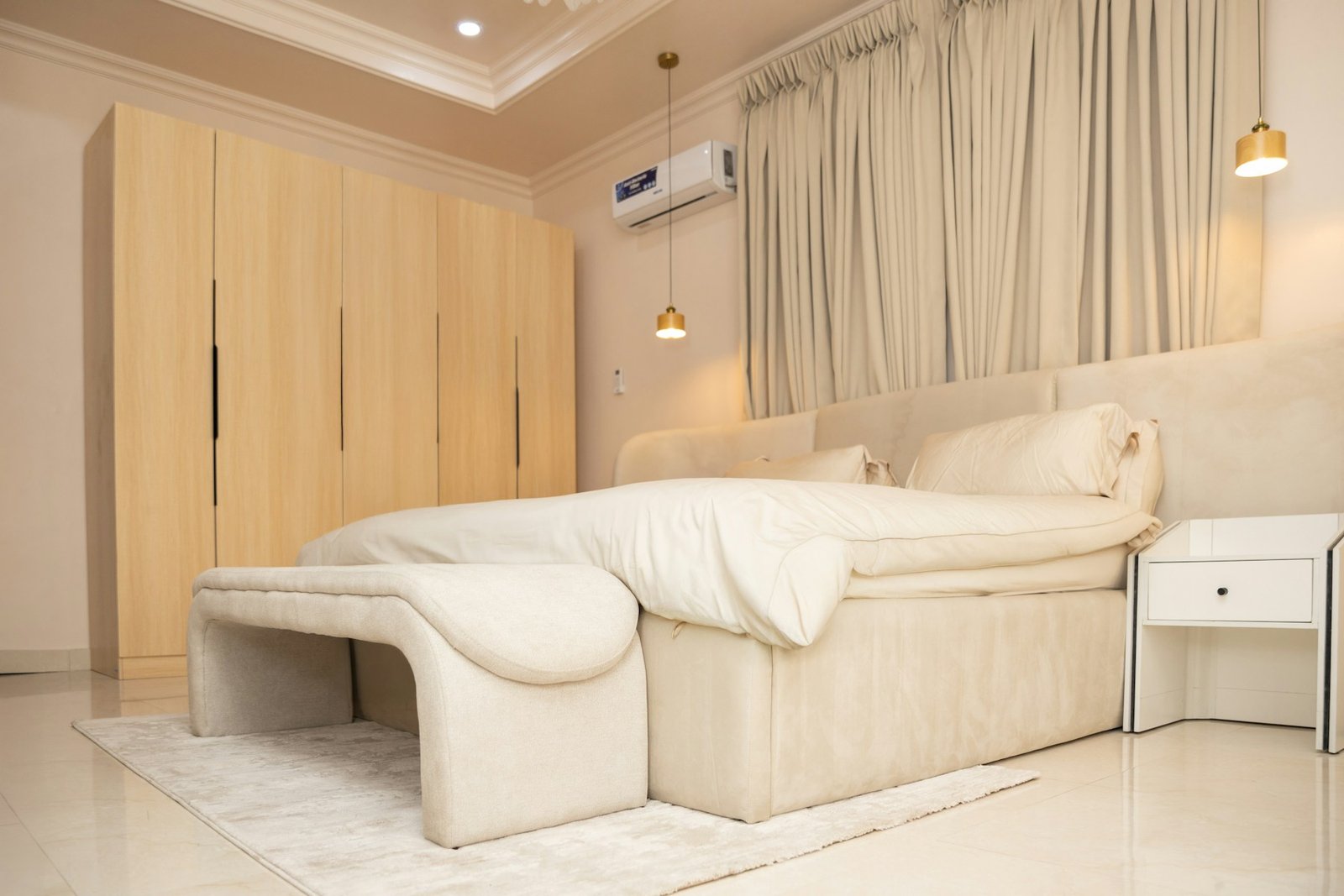
For bedroom MHI air conditioning, correct low-load sizing, sensible airflow direction and an indoor-unit position that avoids uncomfortable direct air over the bed matter more than simply choosing a larger unit.
Open-plan MHI air conditioning needs more attention to glazing, solar gain, room volume and air throw than a small enclosed bedroom.
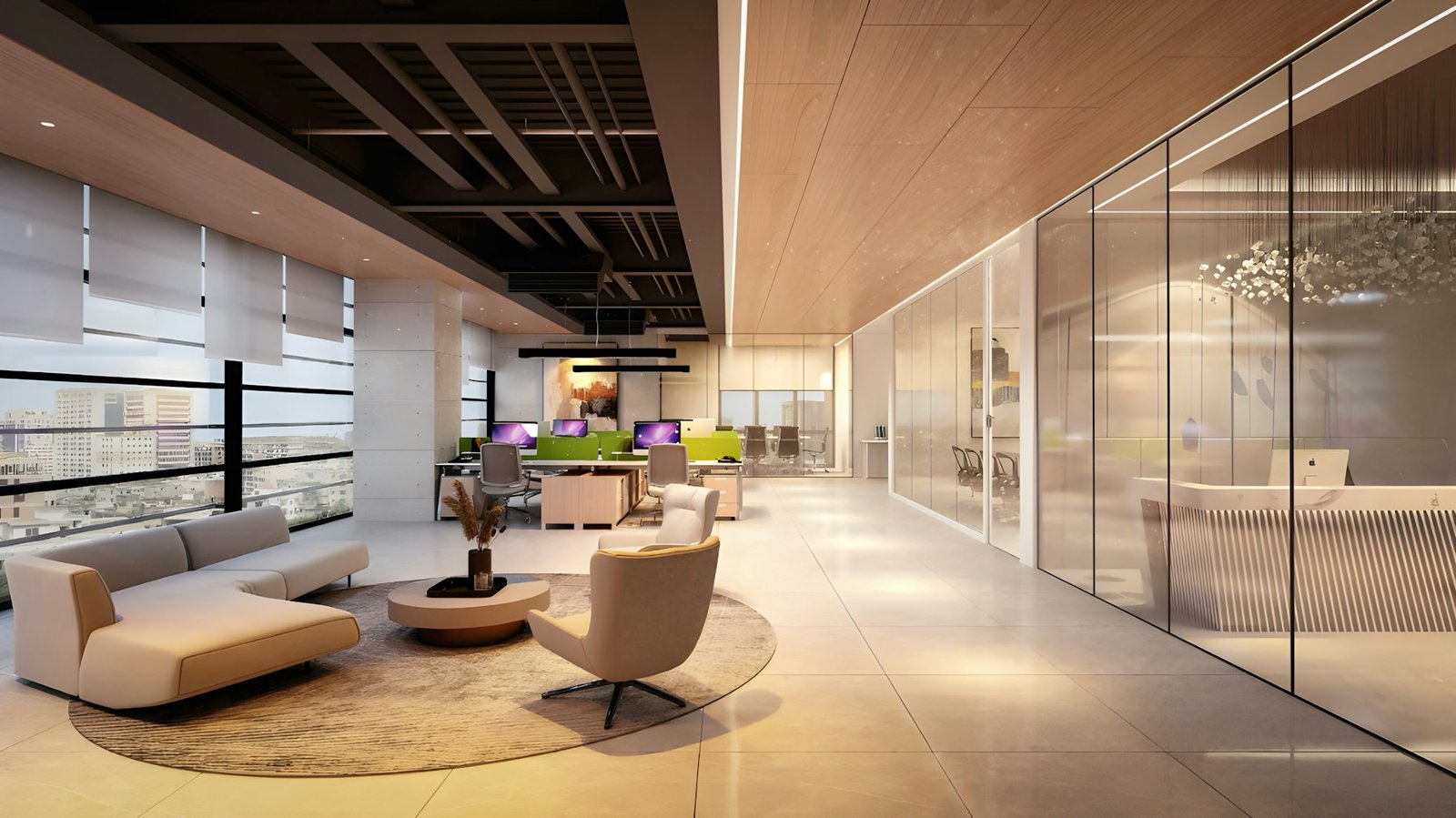
Commercial MHI air conditioning selection should consider occupancy, internal heat loads, trading hours, controls, plant access, maintenance continuity and future tenancy changes.
MHI’s ducted range is not a single chassis stretched across every house. Current MHIAA categories include compact medium static equipment, slim FDU systems and higher static FDUA systems for larger air distribution demands.
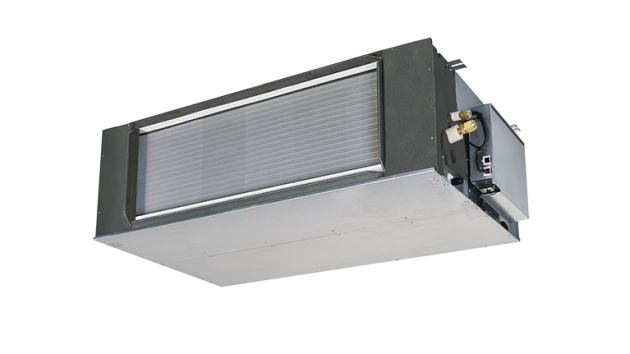
The right ducted series depends on required capacity, available ceiling/roof space, duct length, static pressure requirement, zoning strategy and the property’s electrical and installation constraints.
Compact medium static ducted range currently listed at 5.0 to 5.6kW for smaller homes and tighter applications.
Slim medium/high static ducted range currently listed at 7.1 to 14.0kW with quiet operation and multiple timer/control functions.
Higher static range currently listed from 10.0kW up to 23.5kW for larger homes and more demanding duct architecture.
MHIAA’s compatible zoning pathway provides individual zone on/off control and scheduling options on relevant ducted systems.
Do not choose capacity from floor area alone. Two Perth rooms with the same square metres can need different outputs because ceiling height, insulation, glazing area, orientation, shading, roof exposure, occupancy and internal heat gains are different. The better process is to calculate or assess the actual room load first, then compare MHI air conditioning models that genuinely sit in the right capacity range.
Installation quality changes the outcome as much as product choice. For a wall split, indoor-unit location affects air distribution, condensate drainage, refrigeration pipe routing, aesthetics and service access. Outdoor-unit placement needs manufacturer clearances, good airflow, drainage, vibration control and sensible separation from bedrooms or neighbours. For ducted systems, return air, duct sizing, outlet locations, zoning, static pressure and ceiling access need to be designed as one system.
Use current MHIAA product data for exact model specifications and Australian Government energy-rating information for like-for-like efficiency comparisons. Refrigerant work in Australia is regulated, so installation and service should use appropriately licensed personnel.
MHI air conditioning technology varies by series. A useful comparison looks at the features actually included on the selected model rather than treating every MHI system as technically identical.
Selected split systems use independent louvre motors to distribute air more broadly through the room.
Bronte applies fan blade engineering to achieve long reach airflow, with up to 18m cooling reach listed on 7.1 to 9.5kW models.
Current WF split ranges include built in Wi Fi on relevant models for app control and supported smart home functions.
Selected residential ranges combine filtration and self clean strategies intended to help manage allergens, odours and internal cleanliness.
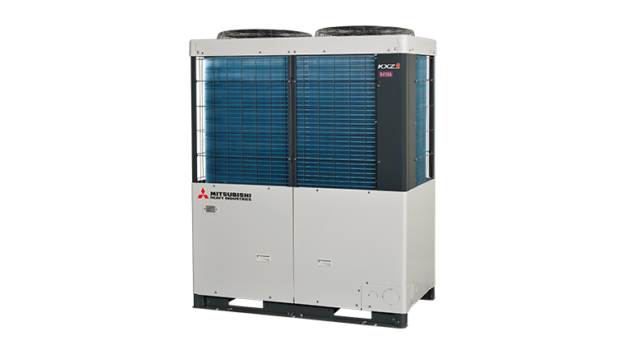
Commercial MHI air conditioning through MHIAA’s current VRF portfolio spans approximately 9.0kW to 168kW across multiple system families. The appropriate pathway depends on building load, number of zones, piping architecture, simultaneous heating/cooling requirements, controls and commercial service access.
Current R32 two pipe VRF series listed from 22.4 to 100.5kW with up to 52°C operating range capability and 50 to 150% connection capacity.
Compact commercial VRF pathway currently listed at 9.0 to 15.2kW and up to 10 connected indoor units on suitable models.
Large capacity VRF platform currently listed from 28.0 to 168.0kW and designed for substantial multi zone applications.
Three pipe heat recovery architecture for applications requiring concurrent heating and cooling across different zones.
For MHI air conditioning, current MHIAA warranty terms list 5-year parts, labour and compressor coverage for many residential SR/DX and FD applications, while some KX and accessory categories have different periods or conditions. Always confirm the exact series and use-case against the current warranty document. Installation and service must also remain within the appropriate refrigeration and electrical licensing scope.
Current MHIAA terms list 5-year parts, labour and compressor coverage for many residential SR/DX and FD applications, while some KX and accessory categories differ. Confirm the selected equipment and use-case.
MHIAA states that installation involving refrigerant should use a registered ARCTICK refrigeration professional.
Air conditioning installation also involves electrical work and should be completed by appropriately licensed personnel.
This page describes MHI products that Comfort Systems works with. It does not claim authorised MHIAA dealer status unless separately verified.
A strong MHI air conditioning decision continues after installation. Filters, airflow, drainage, outdoor-unit condition, operating habits, connected controls and service access all influence the long-term experience.
For MHI air conditioning, follow the exact user manual for filter cleaning and routine care. Restricted airflow can reduce comfort and make the system work harder than necessary.
Service & maintenance →Smart M-AIR and scheduling features can improve convenience, but set temperature, runtime, zoning, insulation and the rooms being conditioned still influence electricity use.
Electricity-use guide →Reduced cooling, unusual noise, drainage problems or repeated shutdowns should be diagnosed rather than automatically blamed on “low gas”. Refrigerant should not need routine top-ups in a sound sealed system.
Air conditioning repair →A premium installation still needs filters, indoor components, drain points, outdoor equipment and ducted access panels to remain serviceable years later.
Replacement planning →Short answer first: choose the system architecture and capacity around the property, then compare the MHI air conditioning series that fit.
MHI air conditioning covers a broad range of applications including wall splits, multi split, ducted and commercial VRF. That breadth is useful in Perth because the same brand can serve a bedroom, a multi-room home or a larger commercial building. The correct answer still depends on sizing, installation design, controls, noise, service access and the exact model rather than brand reputation alone.
For MHI air conditioning, current MHIAA positioning separates these series by capacity and feature emphasis. Ciara spans roughly 1.5 to 7.1kW and includes built-in Wi-Fi and voice-control compatibility. Avanti Plus sits in the 2.0 to 6.0kW class with premium efficiency and airflow features. Bronte starts higher, from 6.3 to 10.0kW, for larger spaces with long-reach airflow.
Do not choose from floor area alone. Capacity should reflect room dimensions, ceiling height, insulation, glazing, orientation, shading, roof exposure, occupancy and internal heat gains. Start with the real load, then compare models in the suitable capacity range. Our Perth air conditioner sizing guide explains the main factors.
Yes. In the current MHI air conditioning range, the SCM ZS-W multi split can connect one outdoor unit to two to five compatible indoor units depending on the model. MHIAA also lists up to 75m total pipe run and up to 20m height difference on some models. The exact combination and limits must be checked for the selected outdoor unit.
For ducted MHI air conditioning, FDUM is the compact lower-capacity pathway at 5.0 to 5.6kW. FDU spans approximately 7.1 to 14.0kW, while FDUA extends from about 10.0 to 23.5kW for higher-static applications. The best choice depends on building load, roof space, duct design, static pressure, return air, zoning, power supply and access.
Yes. Commercial MHI air conditioning includes a current MHIAA VRF portfolio spanning roughly 9.0kW to 168kW across multiple families. It includes compact two-pipe systems, larger two-pipe platforms and three-pipe heat-recovery options. The current KXZ3 uses R32 and spans 22.4 to 100.5kW with a published cooling operating range up to 52°C.
A two-pipe VRF system normally provides either heating or cooling to connected indoor units at a given time. A three-pipe heat-recovery system can support simultaneous heating and cooling in different zones where the building and controls require it. That extra flexibility can be valuable in commercial buildings with different solar gains and internal loads.
Current Avanti Plus WF models include Wi-Fi capability for Smart M-AIR control. MHIAA lists functions such as temperature and mode control, fan and airflow settings, timers, favourites, alerts and electricity-usage monitoring. Always confirm that the exact model quoted is a WF variant if built-in Wi-Fi is important.
Current Bronte WF1 variants include built-in Wi-Fi and voice-control compatibility via supported Google or Alexa devices, alongside NOVAShield PM2.5 filtration. Features vary by model, so compare the exact model code rather than assuming every Bronte variant has identical connectivity.
Efficiency differs by model and capacity, so there is no single MHI air conditioning efficiency number. Compare like-for-like capacities using the Australian energy label and official model data. Actual electricity use also depends on set temperature, outdoor conditions, insulation, glazing, runtime, zoning, occupancy and how much of the property is being conditioned.
The indoor unit should distribute air across the occupied zone while allowing sensible pipework, condensate drainage, electrical connection and service access. Avoid positioning purely because a wall is empty. Doors, furniture, room geometry and direct airflow onto beds or seating should also be considered.
Follow the exact model’s clearance and airflow requirements. Also consider sun exposure, nearby bedroom windows, neighbours, vibration, drainage, service access and pipe routing. Screens or enclosures should never restrict the airflow the outdoor heat exchanger needs.
There is no single MHI air conditioning service interval for every home or business. Follow the selected model’s manual and adjust the maintenance plan for operating hours, dust, coastal exposure and equipment duty. User-cleanable filters generally need attention more frequently than professional maintenance, while commercial systems can justify structured preventative servicing.
No. Refrigerant should not be treated like fuel that is routinely consumed. If charge is low, the cause should be investigated for a leak, installation issue or component fault. Refrigerant handling is licensed work in Australia and should be completed by appropriately licensed personnel.
Current MHIAA warranty terms list 5-year parts, labour and compressor coverage for many residential SR/DX and FD applications. Some KX, controller and accessory categories have different warranty periods or conditions, so the exact equipment series and use-case should be checked against the current warranty document rather than relying on one generic statement.
For an MHI air conditioning quote, compare the exact model numbers, capacities, indoor and outdoor positions, pipe and drain routes, electrical scope, mounting, ductwork or zoning where relevant, controls, commissioning, warranty assumptions and future service access. A cheaper equipment-only number is not directly comparable with a complete installation scope.
Tell Comfort Systems the Perth suburb, property type, rooms or zones requiring heating and cooling, current system details and whether the project is a new installation, replacement or commercial HVAC requirement. That creates a stronger basis for comparing the right MHI air conditioning architecture, capacity and installation scope.