
Current Perth market evidence prioritised.
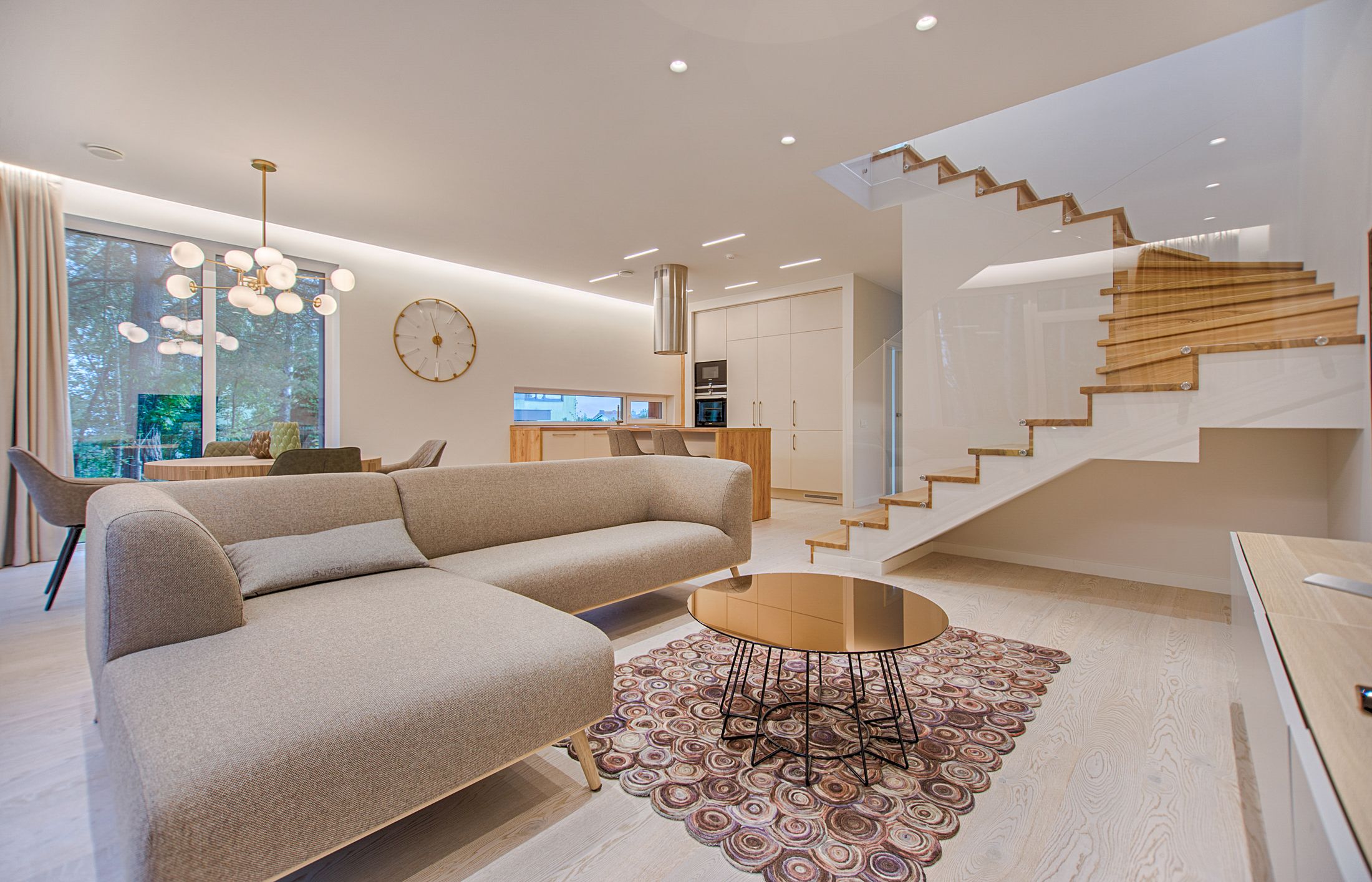
Perth Air Conditioning Cost Guide 2026
Air Conditioning Cost Perth 2026 for Split, Multi Split and Ducted Systems
A research based guide to split system, multi split, replacement and ducted air conditioning costs in Perth. The aim is not to give you an attractive starting price. It is to explain what the complete job can cost, why quotes move and how to compare them properly.
Pricing evidence reviewed for August 2026.
All figures on this page are indicative market guidance.
Perth Market Snapshot
Supply and installation
Broad current ranges. Site conditions can move a project outside them.
Single Split
$1.5k to $4.5k
Typical current installer range.
Multi Split
$4.5k to $11k+
Roughly two to five indoor heads.
Residential Ducted
$8k to $25k+
Strongly dependent on home and zoning.
Not equipment only online retail prices.
Government A1/A2 usage tariff current from 1 July 2026.
Market guidance cannot replace an installation assessment.
Air conditioning pricing is easy to oversimplify. A small bedroom split installed back to back on a single storey wall is not the same job as a large living room system with a long pipe run, difficult outdoor access and new electrical work.
Ducted pricing varies even more because the house becomes part of the HVAC design. Capacity, roof space, duct routes, zones, outlets, controls and electrical requirements all affect the completed project.
For this reason, this guide uses ranges and explains the assumptions behind them. Where different current Perth sources produce different figures, the page does not hide that variation behind a false single average.
Equipment only pricing does not represent the completed job.
A larger air conditioner is not a fair price comparison with a smaller one.
Electrical, access or removal work can sit outside a headline offer.
Select suitable capacity before comparing similar models and energy performance.
Perth Air Conditioning Prices 2026
Split, Multi Split and Ducted Air Conditioning Prices in Perth 2026
These are current market guidance ranges for Perth. They are deliberately broad because capacity, equipment tier and installation conditions vary.
Single Split System
$1,500 to $4,500 Typical current Perth installer rangeCurrent June 2026 Perth installer evidence places standard supply and installation in this broad range. Wider August market research extends the overall market band from approximately $1,250 to $4,725.
Multi Split System
$4,500 to $11,000+ Roughly two to five indoor headsNumber of indoor units, connected capacity, refrigerant routes and building access affect the finished multi split price.
Ducted Reverse Cycle
$8,000 to $25,000+ Small homes through large complex residencesMost current Perth ducted projects do not belong to one narrow price range. Home size, storeys, zones, roof access and controls materially affect the final quotation.
Split System Installation Cost Perth
Split System Installation Cost Perth by Air Conditioner Capacity
The following ranges come from a current Perth installer's June 2026 published supply and installation data for standard installations. They are not universal fixed prices.
2.5 kW
Small Room Class
$1,820 to $2,400
Standard supply + install
3.5 kW
Bedroom / Small Living
$2,020 to $2,900
Standard supply + install
5.0 kW
Mid Size Living Class
$2,550 to $3,600
Standard supply + install
7 to 8 kW
Large Living Class
$2,960 to $4,500
Standard premium brand range
Important: room labels above are broad orientation only.
Floor area does not determine capacity by itself. Ceiling
height, glazing, orientation, insulation, occupancy and
other heat loads can affect correct sizing.
Like for Like Split System Replacement
approx. $1,700 to $3,800
Current Perth installer evidence places many replacement projects in this range. Reusing an existing position can save some work, but the old refrigerant must be properly recovered, equipment removed and the new system commissioned. Existing pipework or electrical infrastructure cannot simply be assumed suitable.
Multi Head Split System
approx. $4,500 to $11,000+
Current Perth installer guidance covers approximately two to five compatible indoor units in this broad band. Multiple separate splits can sometimes be cheaper, so multi split should be chosen because its architecture suits the property rather than because it is assumed to be the lowest cost option.
01
Cooling and Heating Capacity
Larger systems generally increase equipment cost and can alter electrical requirements.
02
Refrigerant Pipe Length
A simple back to back installation is materially different from a long concealed run.
03
Two Storey and Height Access
Working at height can require more labour, access equipment and installation time.
04
Electrical Infrastructure
Dedicated circuits, protection or switchboard work can sit outside a simple system price.
05
Equipment Tier and Features
Similar capacities can differ in efficiency, acoustics, controls and purchase cost.
06
Drainage
Gravity drainage is different from a project requiring pumping or difficult concealed routes.
07
Existing System Removal
Replacement work can include refrigerant recovery, disconnection, removal and disposal.
08
Ducted Zoning and Controls
Zone count, controller type and duct design can materially change a whole home project.
Current Perth Installer Allowances
Common Air Conditioning Installation Extras That Can Change Perth Pricing
These are current published Perth installer examples, not fixed Comfort Systems charges. They show why the final property inspection matters.
Long replacement pipe runs
Current installer guidance for longer or concealed replacement pipework.
Two storey or high mounting
Current example allowance compared with equivalent ground level work.
Difficult access
Example current range where tight roof or site access increases labour.
Long refrigerant runs
Current Perth installer example for more demanding ducted refrigerant routes.
Switchboard scope
Very broad current example because a small alteration and a major board replacement are different jobs.
Premium equipment uplift
Example current installer difference between value and premium equipment tiers in comparable capacity classes.
Ducted Air Conditioning Cost Perth
Ducted Air Conditioning Cost Perth by Home Size and Project Complexity
These current Perth installer ranges include supply, installation and GST and show why one generic ducted starting price cannot describe every home.
2 Bedroom Class
$8k to $11kPublished example: roughly 7 to 10 kW and 2 to 3 zones.
3 Bedroom Class
$11k to $14.5kPublished example: approximately 10 to 14 kW and 3 zones.
4 Bedroom Single Storey
$12.5k to $16kPublished example: approximately 14 to 16 kW and 4 zones.
4 Bedroom Two Storey
$15k to $20kPublished example: approximately 16 to 18 kW and 5 zones.
300 m²+ Executive Home
$18k to $25k+Published example for 18 kW+ systems with roughly 5 to 7 zones.
These home descriptions are not automatic pricing formulas.
West facing glazing, insulation, ceiling height, floor plan,
roof access, zone design and other loads can change both
required capacity and final cost.
What Is Actually Included?
What a Fully Installed Air Conditioning Quote Should Include
Different installers define standard installation differently. Compare the written scope rather than assuming every headline price contains identical work.
Items Commonly Expected in a Straightforward Split Installation
Matched indoor and outdoor equipment
Refrigerant pipework within the quoted allowance
Condensate drainage arrangement
Outdoor unit mounting or base within quoted scope
Electrical connection as specifically stated
Testing and system commissioning
Items That Can Sit Outside a Basic Advertised Price
Additional refrigerant pipe length
Difficult two storey or roof access
Major switchboard alterations
Condensate pumps or difficult drainage
Existing equipment removal and disposal
Building repair, plastering or painting outside HVAC scope
Perth Air Conditioner Running Cost
How to Calculate Air Conditioner Running Cost in Perth
Eligible Zoned Energy Rating Labels show estimated annual cooling and heating electricity use in kWh. Add the relevant annual kWh values and multiply by your actual electricity tariff.
WA Government A1/A2 usage charge from 1 July 2026
33.2621 cents/kWh
A1/A2 fixed account supply charge
$1.1924/day
Important: a “7 kW air conditioner” normally refers to
approximately 7 kW of cooling output capacity. It does
not mean the unit continuously draws 7 kW of electricity.
Do not calculate running cost by multiplying cooling
capacity by the electricity tariff.
Energy Cost Calculator
Enter the Annual kWh From Your Energy Information
If you only want cooling cost, enter 0 for heating. The default tariff is the current WA Government A1/A2 residential usage charge. Replace it if your tariff differs.
Indicative Annual Usage Cost
$332.62
Combined Annual Energy
1,000 kWh
Monthly Average
$27.72
This is arithmetic, not a forecast of your future bill.
Actual consumption varies with weather, thermostat
settings, building performance, operating hours and
equipment behaviour. The normal account supply charge
is excluded because it applies regardless of whether
the air conditioner is operating.
Beyond the Installation Price
Whole of Life Air Conditioning Cost Beyond Installation Price
The cheapest system on installation day is not automatically the lowest cost system over its operating life.
Equipment and Installation
Initial cost includes the selected system and the work required to install it.
Energy Consumption
Compare annual kWh and efficiency between appropriately sized similar systems.
Cleaning and Technical Service
Filters and system components require suitable ongoing care over time.
Access, Repair and Replacement
Installation decisions can affect how practical future service and replacement become.
Compare Quotes Properly
How to Compare Air Conditioning Quotes in Perth Properly
Before choosing the lowest total, compare equipment, capacity, installation scope and exclusions line by line.
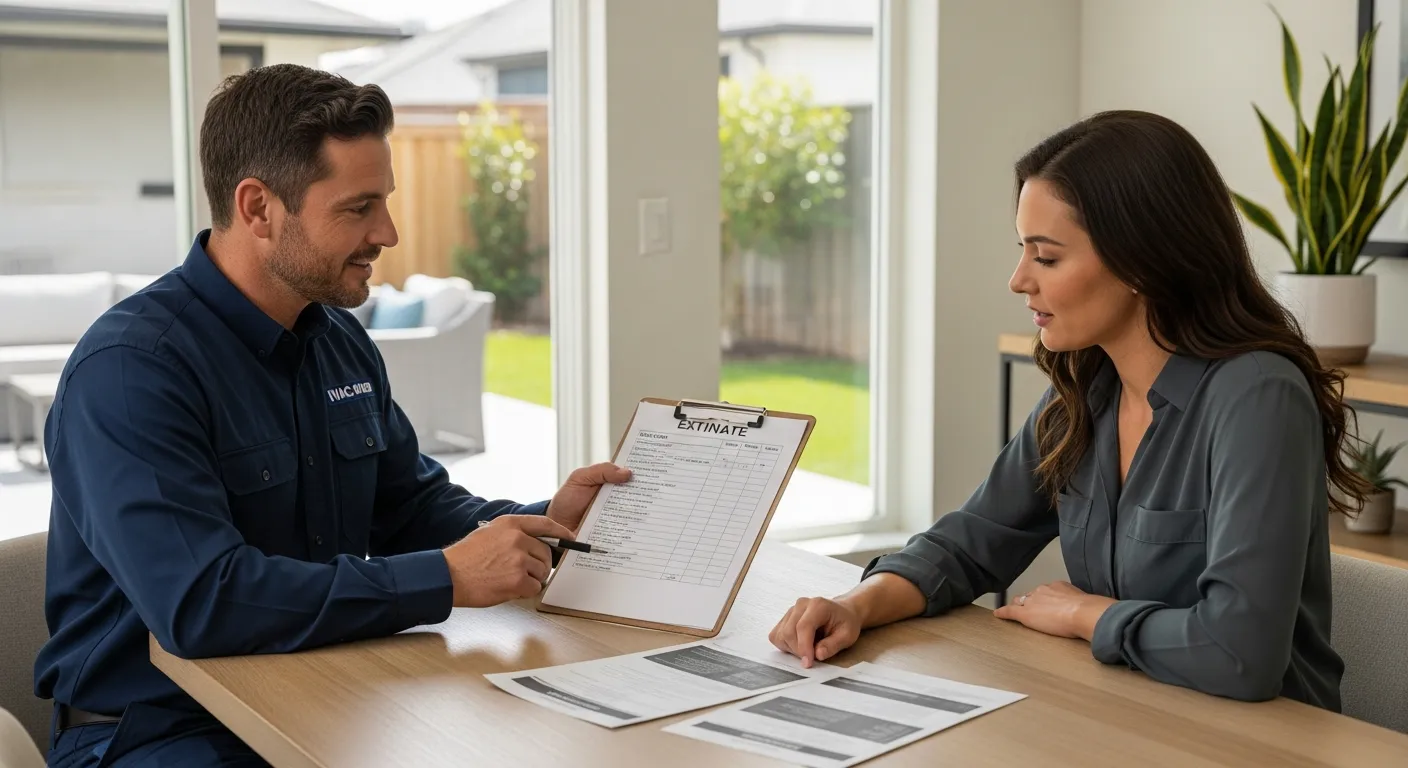
Quote comparisonCompare equipment, scope and exclusions before comparing the total.
Make and exact model
Compare the actual indoor and outdoor equipment being proposed.
Cooling and heating output
Confirm that the systems being compared are designed for comparable loads.
Pipework or duct scope
Understand included lengths, routes, outlets, drains and equipment positions.
What electrical work is included?
Clarify circuits, isolation and any known switchboard requirements.
Removal and disposal
Replacement quotes should state how the old system is being handled. Our ducted installation budget and quote checklist explains the additional items to compare.
Zones and controller
Compare the number of zones, room groupings and control architecture.
What is specifically not included?
This is often where two headline totals become meaningfully different.
Product and workmanship terms
Understand the manufacturer warranty and installer workmanship coverage being offered.
Commercial Pricing
Cassette and VRF Need More Context Than a Residential Split
Commercial pricing varies strongly with indoor unit count, system architecture, access and control scope.
Current independently researched August 2026 Perth commercial data places individual commercial split supply and installation around $2,475 to $7,400 and ceiling cassette installations around $3,925 to $9,400. These are market guide figures, not fixed project quotations.
VRF becomes even more project dependent because indoor unit quantity, branch architecture, refrigerant network, controls, commissioning and building access can change materially from one commercial property to another.
Commercial Split
approx. $2,475 to $7,400
Ceiling Cassette
approx. $3,925 to $9,400
Current June 2026 Perth installer guidance places many single split supply and installation projects around $1,500 to $4,500. Independent August 2026 Perth research shows a broader overall market range of approximately $1,250 to $4,725. Capacity, brand and installation difficulty determine where a project sits.
One current Perth installer's June 2026 published standard supply and installation range for a 2.5 kW split is approximately $1,820 to $2,400. Wider market offers can sit outside that range.
Current Perth installer data places premium brand 7 to 8 kW standard supply and installation around $2,960 to $4,500. Difficult access, electrical work or other non standard scope can move the final price.
Current Perth 2026 installer guidance places roughly two to five head multi split systems around $4,500 to $11,000 and above. Indoor unit count, connected capacity, pipe routes and property access all affect pricing.
Current Perth installer guidance starts around $8,000 to $11,000 for smaller homes, places a standard four bedroom single storey example around $12,500 to $16,000 and a four bedroom two storey example around $15,000 to $20,000. Large homes around 300 square metres and above can reach approximately $18,000 to $25,000 and beyond, depending on project conditions.
The systems may not be equivalent. Capacity, equipment model, pipe or duct routes, zoning, electrical work, access, drainage, removal, controls and exclusions can all differ. Compare the written scope rather than only comparing the final totals.
The calculator defaults to 33.2621 cents per kilowatt hour. This is the Western Australian Government's current A1 and A2 residential electricity usage charge from 1 July 2026. Enter your own tariff if your electricity plan uses a different rate.
No. The current A1 and A2 residential supply charge is $1.1924 per day, but the calculator does not attribute it to air conditioning because that account charge applies whether or not the air conditioner is operating.
Do not treat cooling output capacity as electrical consumption. A 7 kW cooling capacity does not mean the system continuously consumes 7 kW of electricity. For eligible labelled systems, use the annual electrical energy consumption in kWh shown in the relevant energy information and multiply it by your electricity tariff.
Official Energy Rating guidance recommends choosing the size and features you need first, then comparing similar models. A larger capacity air conditioner can consume more total electricity than a smaller system even when their efficiency ratings appear similar.
No. The figures are research based Perth market guidance designed to help with budgeting and quote comparison. A Comfort Systems quotation would need to reflect the actual property, selected equipment and installation scope.
Property Specific Air Conditioning Quote
Request a Property Specific Air Conditioning Quote in Perth
A useful quote should identify the proposed system, capacity, equipment, installation scope and known exclusions so you can understand exactly what you are paying for.
Quote Comparison File
Property
Rooms · storeys · glazing · roof and site access
Equipment
Make · model · capacity · indoor and outdoor units
HVAC Scope
Pipework · ductwork · drainage · zones · controls
Electrical
Connection · circuit · protection · switchboard scope
Contract
Inclusions · exclusions · warranty · final total