
Indoor heat is transferred to the outdoor environment.
Reverse Cycle Air Conditioning · Perth WA
Reverse Cycle Air Conditioning Perth for Efficient Year Round Heating and Cooling
Reverse cycle air conditioning gives Perth homes and businesses one climate system for cooling and heating. Comfort Systems approaches systemselection around the actual property, considering the spaces being conditioned, building load, equipment position, controls and long term service access.
Comfort
Heating and cooling
Applications
Homes and commercial properties
System types
Split · Multi Split · Ducted
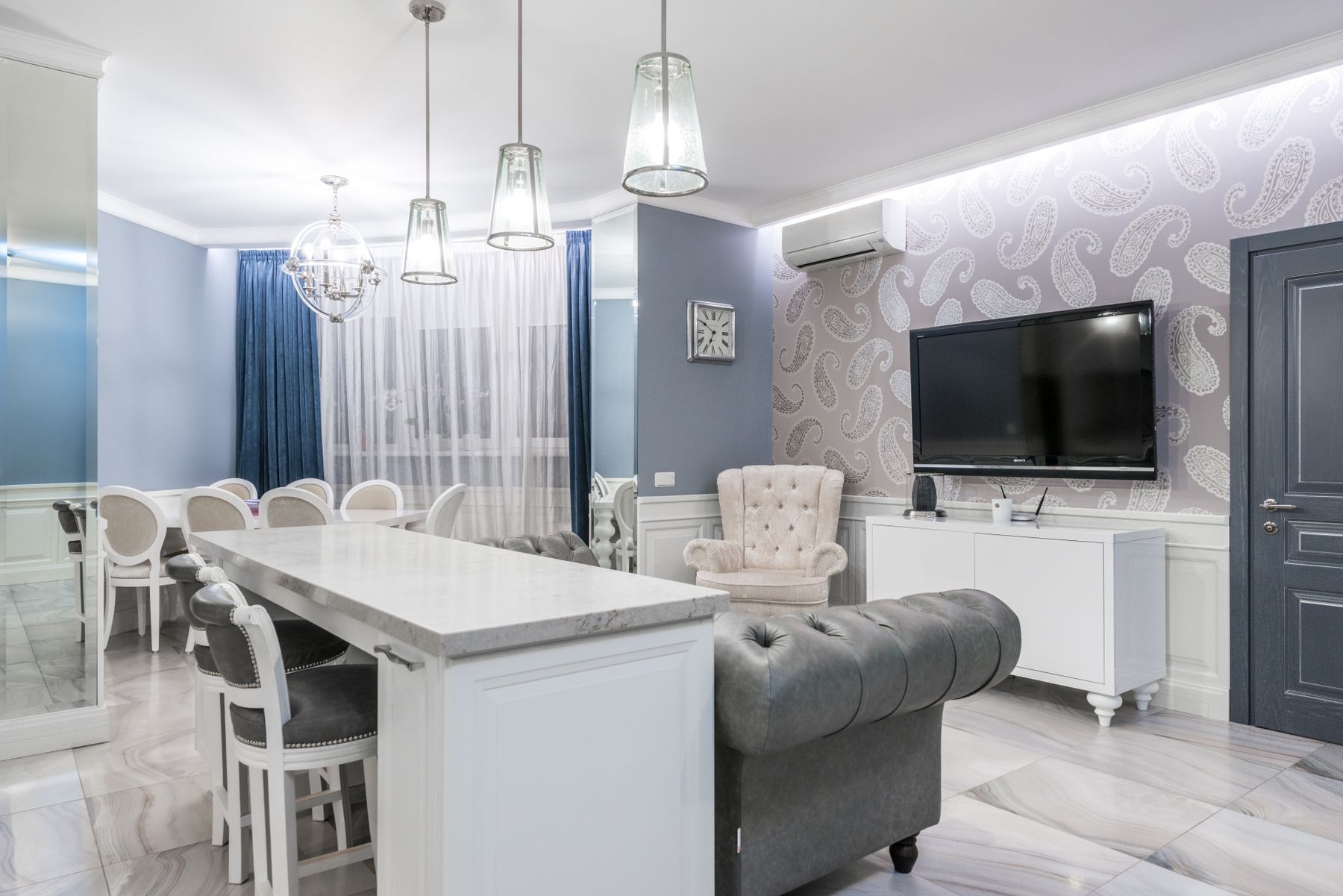
Reverse Cycle Principle
One system for two seasonal comfort requirements.
The refrigeration cycle transfers heat in different directions depending on whether cooling or heating mode is selected.
Available outdoor heat is transferred into the property.
Split, multi room and ducted comfort pathways.
System choice begins with the building and its requirements.
Reverse cycle air conditioning is a heat pump based climate control system capable of both heating and cooling. During cooling operation, heat is transferred from inside the property to the outdoor environment. During heating operation, the refrigeration cycle reverses and transfers available heat indoors.
This is different from electric resistance heating. A reverse cycle system uses electrical energy primarily to operate a refrigeration process that transfers heat from one location to another. This is why reverse cycle air conditioning can provide efficient combined heating and cooling when the system is correctly selected and operated.
Technology alone does not determine the final result. Capacity, glazing, orientation, insulation, ceiling height, occupancy, airflow and installation conditions all influence system performance.
Technology
Reversible heat pump based refrigeration.
Functions
Heating and cooling through one HVAC platform.
Planning
Capacity should reflect actual property load.
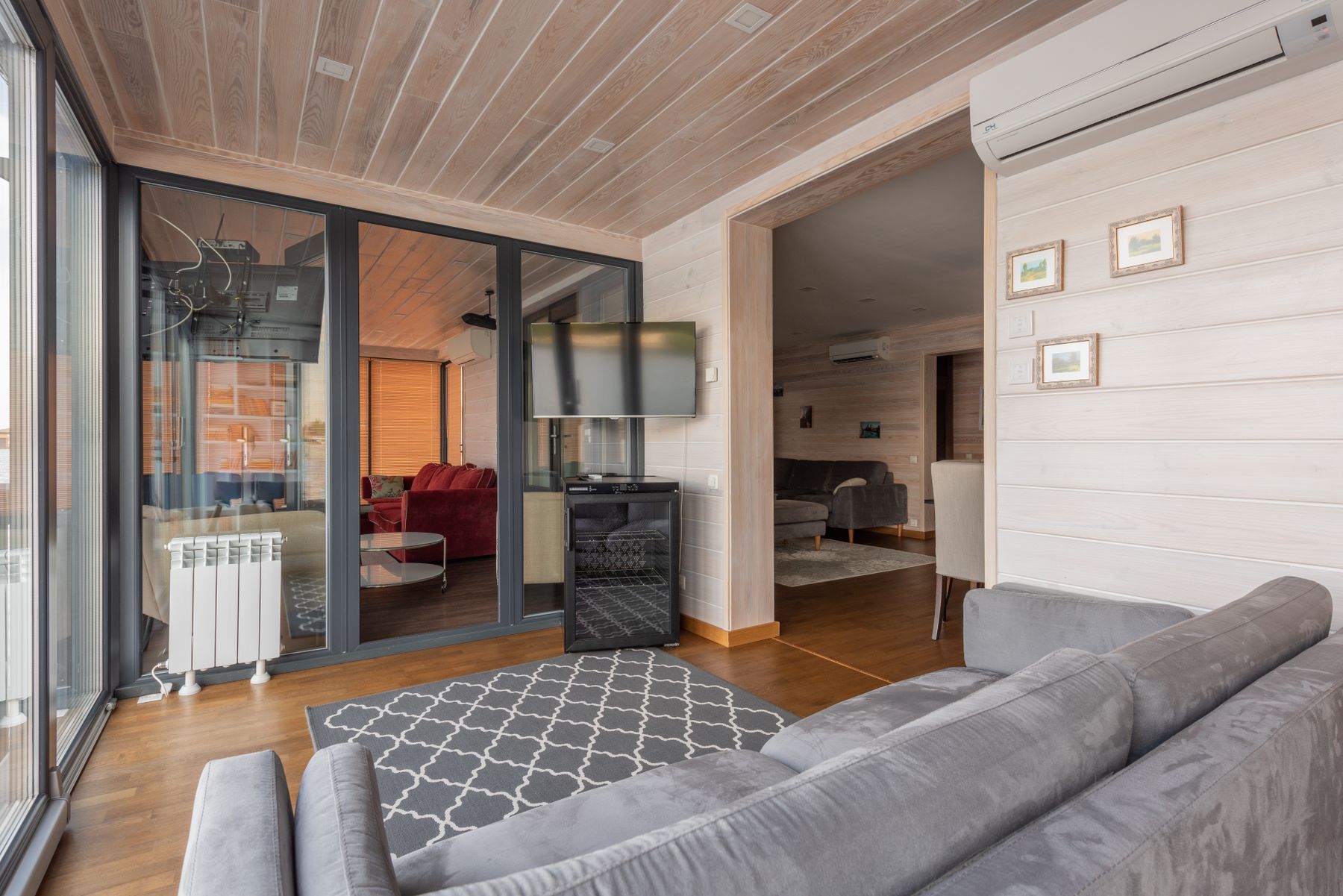
Property First HVAC Planning
Reverse Cycle Air Conditioning Should Be Planned Around the Property
Equipment placement, airflow, ceiling conditions, visual integration and future service access all matter when planning air conditioning for a modern property.
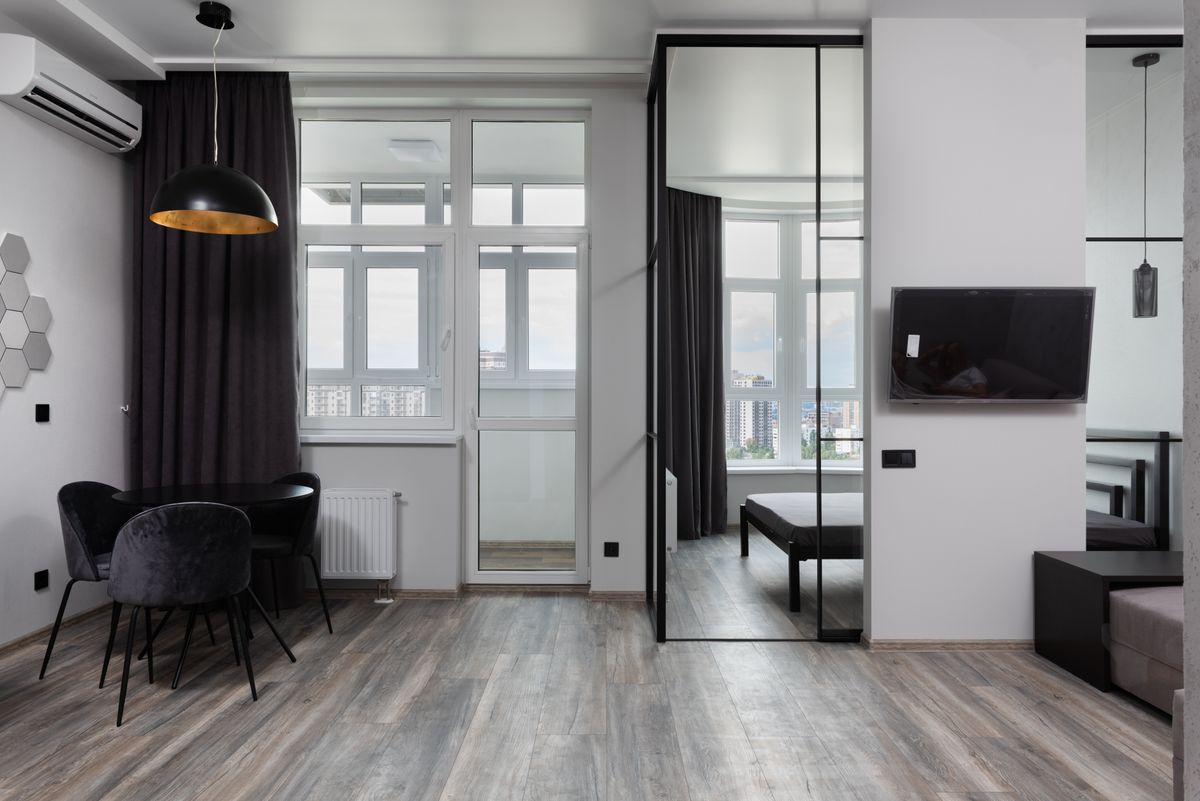
Design Detail
Comfort Should Feel Integrated
The right system should support the architecture, room use and comfort requirements without turning the HVAC installation into an afterthought.
Cooling and Heating Operation
How Reverse Cycle Air Conditioning Works in Cooling and Heating Modes
Reverse cycle air conditioning uses the same basic refrigeration system for both seasonal functions. What changes is the direction in which heat is moved.
Moving Indoor Heat Outdoors
During cooling operation the indoor side absorbs heat from the conditioned space. Refrigerant carries that energy through the circuit and the outdoor unit releases it outside.
01
Indoor heat is absorbed
02
Refrigerant transfers energy
03
Heat is released outdoors
Moving Available Heat Indoors
During heating operation the refrigeration cycle reverses. Available heat is collected from the outdoor environment and transferred into the conditioned space.
01
Outdoor heat is collected
02
Refrigeration flow reverses
03
Heat is delivered indoors
Reverse Cycle System Options Perth
Choose Split, Multi Split or Ducted Reverse Cycle Air Conditioning for Your Property
One room, several rooms and a whole home create different HVAC requirements. Reverse cycle technology can be used across split, multi split and ducted system architectures.
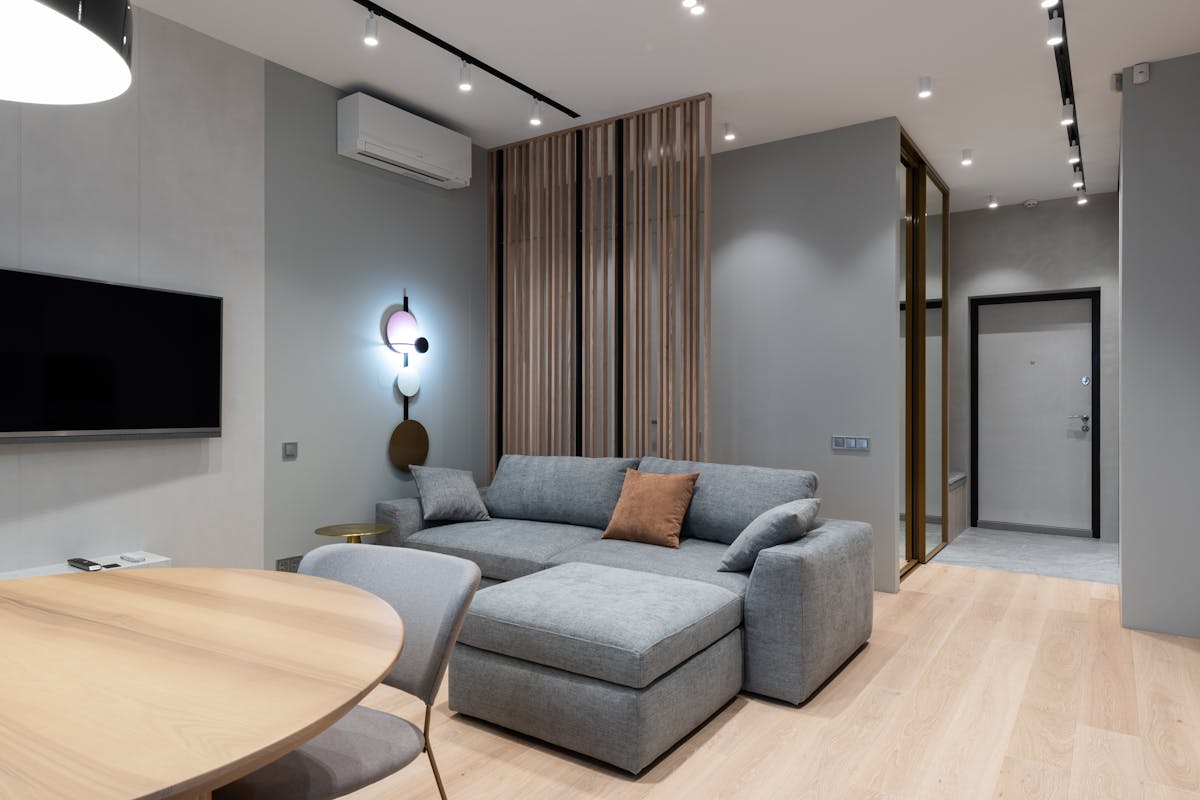
01 · One Room or Area
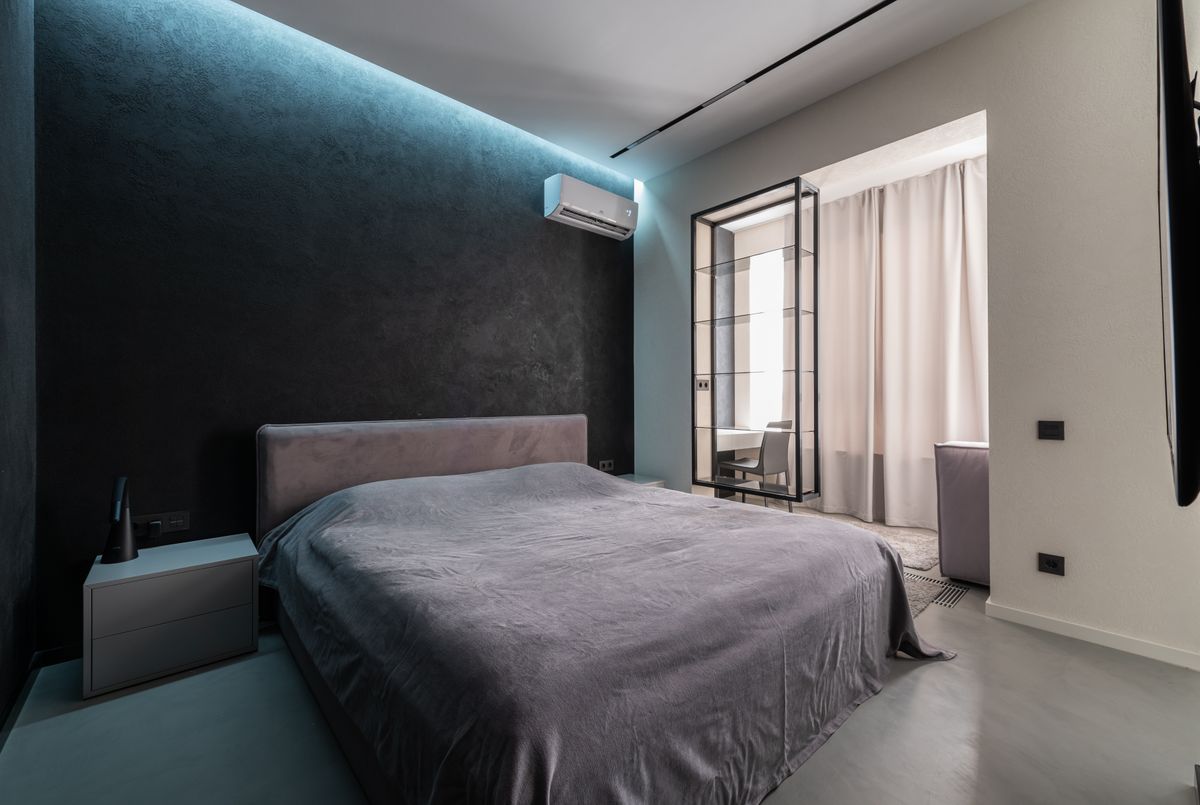
Reverse Cycle Split System
One indoor unit and one outdoor unit can provide targeted heating and cooling for a bedroom, living area, home office or other defined space.
Targeted room comfort
Independent temperature control
Suitable capacity selected for the space
Practical for many existing homes
02 · Several Rooms
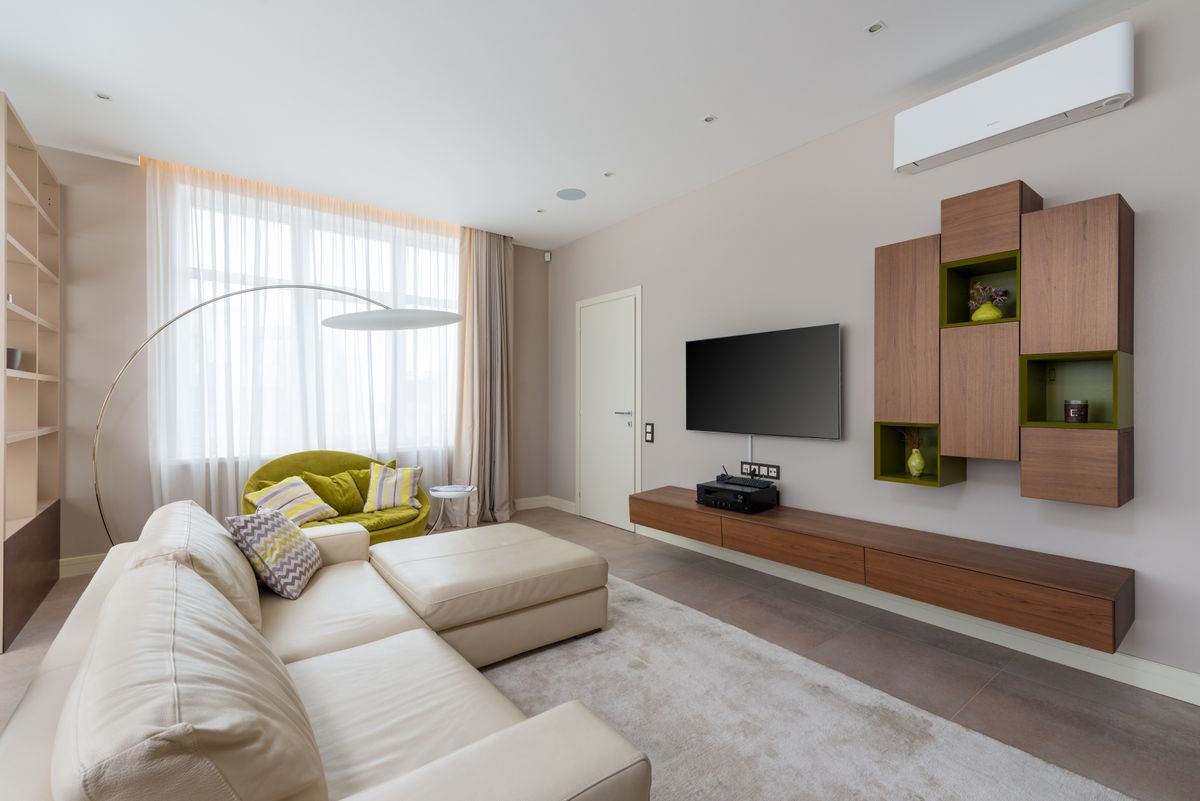
Reverse Cycle Multi Split
Compatible indoor units can be connected to one outdoor system where several rooms require independent comfort and outdoor equipment space is valuable.
Multiple compatible indoor units
Shared outdoor system
Room based operation
Connected capacity requires proper design
03 · Multiple Rooms
Reverse Cycle Ducted Air Conditioning
Ducted reverse cycle air conditioning uses concealed indoor equipment and ductwork to distribute conditioned air across suitable rooms or zones.
Concealed indoor equipment
Integrated multi room comfort
Zoning where supported
Ceiling space and duct design matter
Energy Performance
Compare Reverse Cycle Air Conditioning Efficiency After Matching the Right System
Reverse cycle air conditioning can be an efficient approach to combined heating and cooling because the technology transfers heat. Actual energy consumption still depends on equipment selection, building load, operating settings, usage and electricity cost.
Heating and Cooling Output
Compare equipment capable of meeting the actual load of the conditioned space.
Zoned Energy Rating
Eligible non ducted systems can be compared using Australian climate based energy information.
Estimated Annual Use
Energy labels can provide estimated consumption under defined comparison assumptions.
Indoor and Outdoor Noise
Equipment location matters when bedrooms, neighbours or quiet areas are nearby.
Comfort and Efficiency
Good system selection begins before the equipment is switched on.
Capacity, system architecture, building envelope and installation conditions all contribute to the finished result.
Reverse Cycle Air Conditioner Sizing
Correct Reverse Cycle Air Conditioner Sizing Matters More Than Bigger Capacity
System capacity should reflect the actual heating and cooling load. Floor area matters, but it is only one part of responsible system selection.
Room Volume
Floor area and ceiling height influence the amount of space being conditioned.
Windows
Glazing area, direction and shading can affect heat gain and heat loss.
Insulation
The building envelope influences how indoor conditions respond to outside temperatures.
Occupancy
Bedrooms, living areas and commercial spaces can create different internal loads and usage patterns.
Installation
Equipment location, airflow, pipe routes and duct design influence practical performance.
Reverse Cycle Applications
Match Reverse Cycle Air Conditioning to How Your Perth Property Is Used
The best reverse cycle architecture depends on the rooms requiring comfort, the available installation space and how independently different areas need to run.
01
Bedroom or Home Office
A properly selected reverse cycle split can provide independent comfort for a defined room.
02
Main Living Area
A suitable split system can serve an open living zone where capacity and airflow suit the actual space.
03
Several Independent Rooms
Multi split architecture can be considered where several rooms require compatible indoor units.
04
Whole Home Comfort
Ducted reverse cycle air conditioning can provide more integrated multi room heating and cooling.
System Comparison
Split vs Multi Split vs Ducted Reverse Cycle Air Conditioning Perth
Exact capabilities depend on manufacturer and model, but the system architectures serve different property requirements.
Consideration
Split
Multi Split
Ducted
Typical application
One room or area
Several rooms
Multiple rooms or whole home
Indoor equipment
One indoor unit
Multiple compatible indoor units
Concealed indoor equipment
Outdoor arrangement
Dedicated outdoor unit
Shared compatible outdoor system
Central system arrangement
Room control
Independent served area
Individual indoor units
Zone control where supported
Main planning question
Is one room the priority?
How many rooms require indoor units?
Is there suitable ceiling and duct space?
Reverse Cycle System Lifecycle
Reverse Cycle Air Conditioning Installation Should Remain Practical to Maintain
Good air conditioning design considers access after installation. Filters, indoor equipment, drainage, outdoor units and controls should remain practical to inspect and maintain over the life of the system.
01
Filters and Airflow
Filters and air paths should remain accessible and maintained according to equipment guidance.
02
Condensate Drainage
Cooling operation produces condensate, making appropriate drainage important.
03
Outdoor Equipment
Outdoor units require suitable clearances, airflow and practical service access.
04
Professional System Care
Technical servicing should be carried out by appropriately qualified personnel where required.
Reverse cycle air conditioning is a heat pump based system capable of heating and cooling. In cooling mode heat is transferred from inside the property to outside. In heating mode the refrigeration process reverses and transfers available heat indoors.
Reverse cycle air conditioning can be highly efficient because electricity is used to transfer heat rather than relying only on resistance heating to create heat directly. Actual efficiency and running cost depend on system selection, capacity, the building, settings and usage.
Yes, when the selected split system is a reverse cycle model it can provide both cooling and heating using the same indoor and outdoor system.
Yes. A suitably designed ducted reverse cycle system can provide heating and cooling across multiple rooms or zones where the building and installation conditions support the design.
For eligible non ducted systems, the Zoned Energy Rating Label provides climate based efficiency information together with heating and cooling capacity, estimated energy use and noise information. Compare systems of appropriate capacity and similar features.
Capacity should be assessed around the actual heating and cooling load. Floor area, ceiling height, glazing, orientation, insulation, occupancy and installation conditions can all influence the required capacity.
Split systems commonly suit one room or defined area. Multi split systems can serve several rooms with compatible indoor units connected to one outdoor system. Ducted systems can provide more integrated multi room or whole home comfort.
Reverse Cycle Air Conditioning Perth
Choose the Right Reverse Cycle Air Conditioning System for Your Perth Property
Tell Comfort Systems which rooms require heating and cooling, how the property is used and whether you are considering targeted, multi room or whole home comfort. That provides a stronger basis for comparing suitable reverse cycle options.
REVERSE CYCLE SYSTEM FILE
Comfort Systems
One Area
Reverse Cycle Split System
Several Rooms
Reverse Cycle Multi Split
Whole Home
Reverse Cycle Ducted
Compare
Capacity · efficiency · noise · controls
Plan
Load · layout · equipment · access · maintenance