

Airflow Before Appearance
Room layout and air distribution should help determine where an indoor unit or outlet belongs.
Comfort Systems supports air conditioning and HVAC solutions for Perth homes and businesses across split, multi split, ducted and commercial systems. Our approach starts with the property, then considers system type, installation quality, serviceability and ongoing heating and cooling needs.
Comfort Systems is positioned around a simple idea: the property should determine the air conditioning pathway, not the other way around. A single bedroom, an apartment with limited outdoor space, a whole home ducted project and a commercial building with several occupied zones require different technical thinking.
That is why the Comfort Systems service architecture spans split system air conditioning, multi split systems, ducted air conditioning and commercial HVAC, rather than presenting every property with the same answer. Equipment selection is considered alongside indoor unit position, outdoor plant, duct or pipe routes, condensate drainage, airflow, controls and future service access.
The company also approaches HVAC as a lifecycle. Installation is only the beginning. Filters, coils, drains, controllers, outdoor equipment and concealed plant eventually require maintenance; faults require diagnosis; and older systems sometimes reach a point where replacement deserves a structured comparison.
Beautiful indoor units and ceiling grilles are only the finished layer. The system behind them depends on planning, access and a long list of technical decisions that affect how practical the final installation becomes.
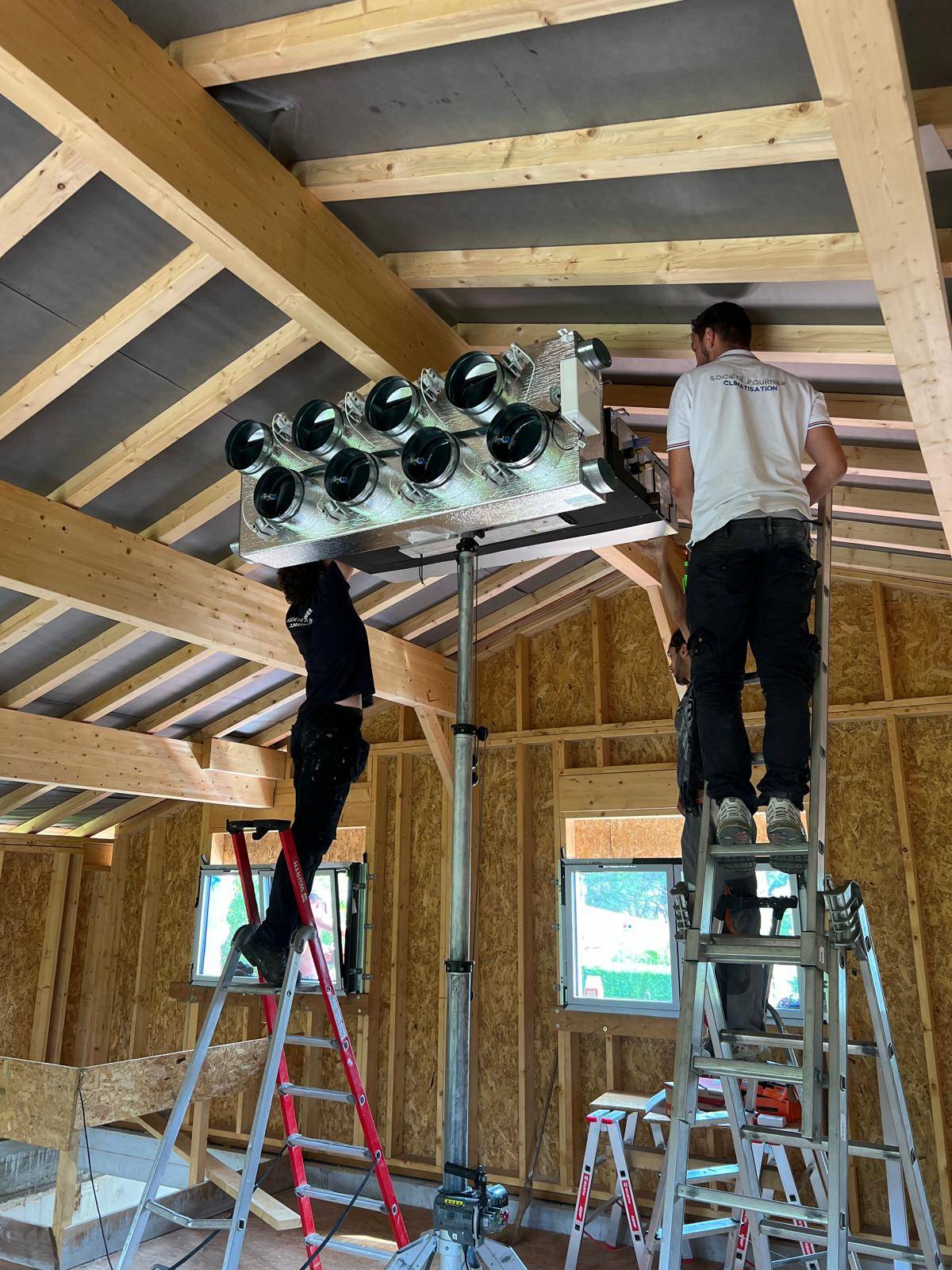
A ducted system is not just an outlet selection exercise. Indoor equipment, trunk routes, branches, return air and service access all compete for concealed space.
Room layout and air distribution should help determine where an indoor unit or outlet belongs.
Filters, indoor equipment and outdoor units should remain practical to inspect after the property is finished.
Pipework, ductwork, drainage and electrical routes are easier to coordinate before walls, ceilings and landscaping lock them in.
An existing air conditioner should be assessed before replacement is treated as the automatic answer.

System architecture should match the property: one room, several rooms, a whole home or a commercial multi zone environment can each justify a different HVAC approach.
Targeted heating and cooling for a room or clearly defined area.
Several compatible indoor units connected to one outdoor system where the property suits the arrangement.
Concealed equipment with coordinated ducts, outlets, return air and controls.
Commercial system pathways for offices, retail, hospitality and larger multi zone applications.
Bedrooms, open plan living areas, apartments, townhouses and new homes can have very different heating and cooling priorities. A residential system should account for room use, available plant space and how visible the final installation will be.
One room may justify a split system while several rooms can shift the comparison toward multi split or ducted.
Wall mounted indoor units, concealed ducts and ceiling outlets create different architectural results.
Condenser placement, clearances and service access matter just as much as the indoor unit.
Filters, indoor equipment and roof space components should remain accessible after installation.
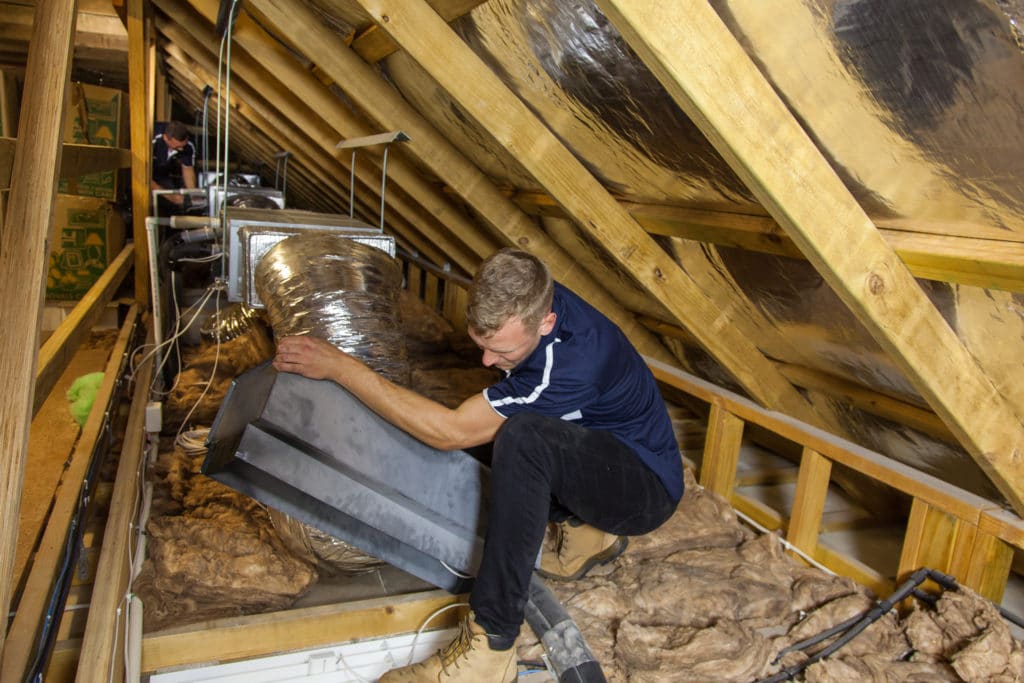

Commercial air conditioning can serve offices, retail spaces, hospitality venues and other workplaces where equipment may be distributed between occupied areas, ceilings and rooftop or external plant.
Different areas can have different loads, schedules and control priorities.
Rooftop and ceiling equipment needs practical pathways for installation and maintenance.
Cassette, ducted, rooftop and VRF/VRV equipment can require different technical approaches.
Maintenance planning should consider how the business uses its conditioned spaces.
The brand is one part of the decision. Comfort Systems’ role is to consider the product family alongside the system type, capacity, installation, property layout and future service requirements.
Daikin Australia’s current residential range includes split, multi split and ducted air conditioning, with larger multi room VRV pathways also available.
MHIAA’s Australian range separates split systems for room level use, multi split systems for several rooms and ducted systems for concealed larger area applications.
Comfort Systems also works with Midea across relevant residential and commercial air conditioning applications, giving the company another equipment pathway to consider against the property and system requirement.
Understand the property, spaces, existing equipment and the heating and cooling objective.
Compare split, multi split, ducted or commercial system architecture before narrowing the equipment.
Coordinate indoor and outdoor units, ducts or pipework, drainage, electrical pathways, controls and access.
Keep filters, accessible coils, condensate paths, controls and outdoor plant under appropriate service attention.
When something changes, begin with the symptom and investigate before assuming the required repair.
When replacement becomes justified, assess what can stay, what should change and whether the system architecture still suits the property.
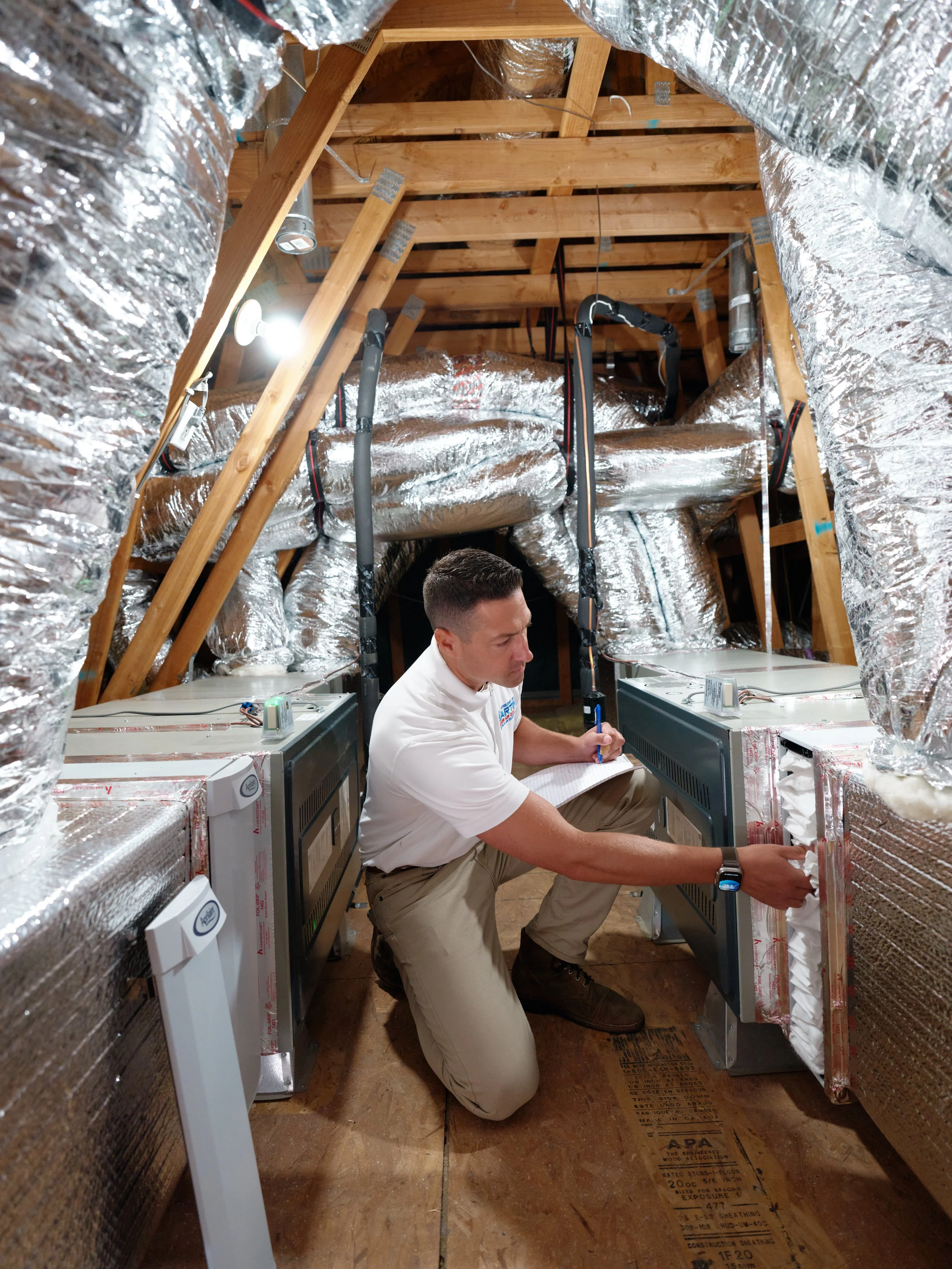
Filters need access. Drainage needs a practical path. Indoor plant needs working room. Outdoor condensers need clearances. Good HVAC planning makes these later service tasks easier instead of hiding the equipment behind the finished property.
Accessible filters and unobstructed air paths remain basic service considerations.
Condensate routes should remain inspectable where practical and should not become an afterthought.
Controllers and zones need to make sense to the way the property actually uses the system.
Roof space, ceiling and outdoor plant should remain practical to inspect and maintain.
This page does not rely on invented age, fake project totals or awards that cannot be verified. The stronger story is a company whose technical depth, system range, clear advice and completed work progressively build the reputation.
The space and installation constraints should guide the category before the brand becomes the centre of the conversation.
A recommendation should make sense in terms of room coverage, equipment placement, airflow, controls and access.
Serviceability, repair access and eventual replacement deserve consideration while the system is being planned.
As Comfort Systems completes more Perth projects, genuine project imagery and customer reviews can strengthen this page without fabricated proof.
These answers summarise the Comfort Systems service scope and approach without making unsupported claims about company history or size.
Comfort Systems supports residential and commercial air conditioning and HVAC pathways in Perth, including split systems, multi split systems, ducted air conditioning and commercial HVAC, plus installation, maintenance, repairs and replacement planning.
Yes. Reverse cycle air conditioning can provide both heating and cooling, so Comfort Systems positions its system planning around year round comfort rather than cooling only.
Yes. Residential and commercial HVAC are both part of the company scope. The equipment, zones, plant access and operating context can differ substantially between a home and a business property.
Comfort Systems currently works with Daikin, Mitsubishi Heavy Industries Air Conditioners and Midea across relevant residential and commercial applications.
Yes. The comparison should consider the number of rooms, preferred visual outcome, indoor and outdoor equipment space, routing, controls and how the property expects to use heating and cooling.
Yes. Maintenance, repair and replacement are part of the service architecture for existing systems. The appropriate path depends on the equipment, symptoms, condition and whether the current system still suits the property.
Tell Comfort Systems what type of property you have, which spaces need heating and cooling, whether a system already exists and what you want the finished result to achieve. That creates a stronger starting point than choosing equipment first.