
Installation
Plan equipment position, routes, drainage, electrical requirements and the finished result.
Comfort Systems approaches air conditioning around the property first comparing split, multi split, ducted and commercial heating and cooling pathways according to the space, installation constraints, comfort goals and future service needs.

Room use, equipment position, airflow, outdoor access and serviceability all shape a more useful recommendation.
System selection should follow the property and the job the equipment needs to do.
One room, several rooms, the whole home or multiple commercial zones can point to very different system architectures.
Visible wall units, concealed ducted distribution and ceiling based commercial systems create different visual outcomes.
Indoor positions, outdoor clearances, roof space, pipe routes, drainage and electrical access shape what is practical.
Bedrooms, living areas, offices, retail zones and commercial premises can have different schedules and comfort priorities.
Filters, indoor equipment, outdoor units and concealed components should remain accessible after installation.
A strong recommendation is not just a product choice. It is the point where the property, comfort requirement, installation reality and future serviceability all make sense together.
Rooms, layout, glazing, occupancy and how comfort is used.
Split, multi split, ducted or commercial architecture.
Equipment positions, routes, drainage, airflow and clearances.
Access for filters, indoor equipment and outdoor plant later.
Comfort Systems works across room level, multi room, whole home and commercial pathways, making it easier to compare the architecture that fits the property instead of forcing every project toward one category.
The right system depends on room coverage, appearance, controls, available plant space and installation conditions.
Plan equipment position, routes, drainage, electrical requirements and the finished result.
Maintain filters, coils, drainage, airflow, controls and relevant equipment condition.
Investigate symptoms before deciding whether the next step is maintenance, repair or replacement.
Review what exists, what can stay and what should change before selecting the new system.
Residential comfort and commercial HVAC share the same fundamentals, but equipment, operating patterns and service access can be very different.

Compare split, multi split and ducted pathways around room coverage, appearance and practical installation routes.
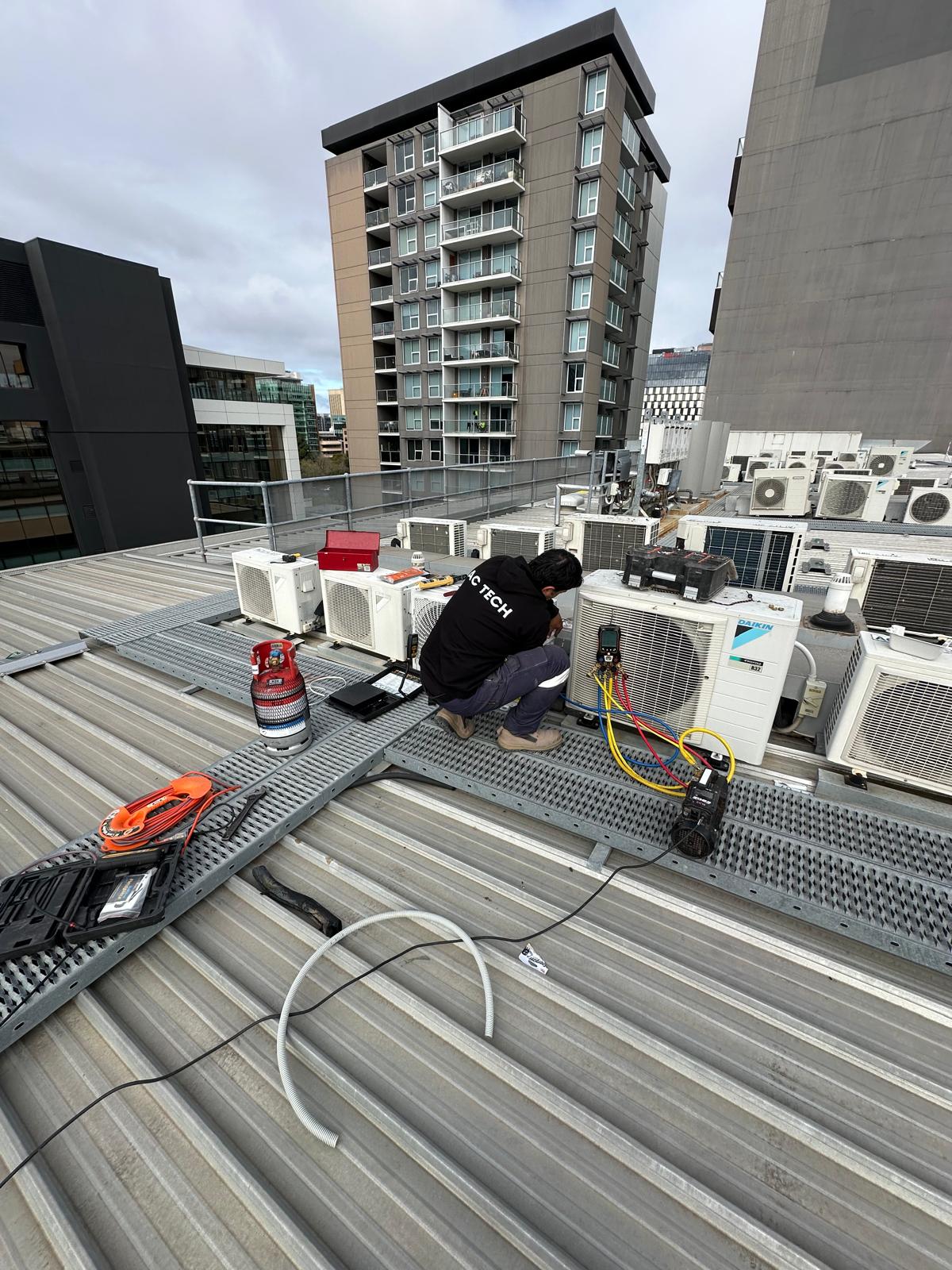
Commercial systems can involve rooftop plant, ceiling equipment, controls and several occupied zones that need to be considered together.
Comfort Systems works with Daikin, Mitsubishi Heavy Industries Air Conditioners and Midea. The brand matters, but system type, capacity, installation and property suitability still need to be considered together.
Daikin offers split, multi split, ducted and commercial air conditioning categories, giving different ways to approach room level and larger applications.
Mitsubishi Heavy Industries Air Conditioners Australia provides residential split, multi split and ducted product pathways across different property requirements.
Midea Australia lists split, multi split, ducted and cassette systems alongside larger commercial HVAC categories.
A system needs to work for the property after installation too. Access, maintenance, fault diagnosis and eventual replacement are easier when serviceability is considered from the beginning.
Indoor equipment, filters and outdoor plant should remain practical to inspect and maintain.
Knowing how indoor units, outdoor equipment, controls and zones connect helps later troubleshooting.
Appropriate service attention can keep filters, coils, drainage and accessible plant under review.
When replacement eventually makes sense, assess what exists rather than blindly copying the old installation.
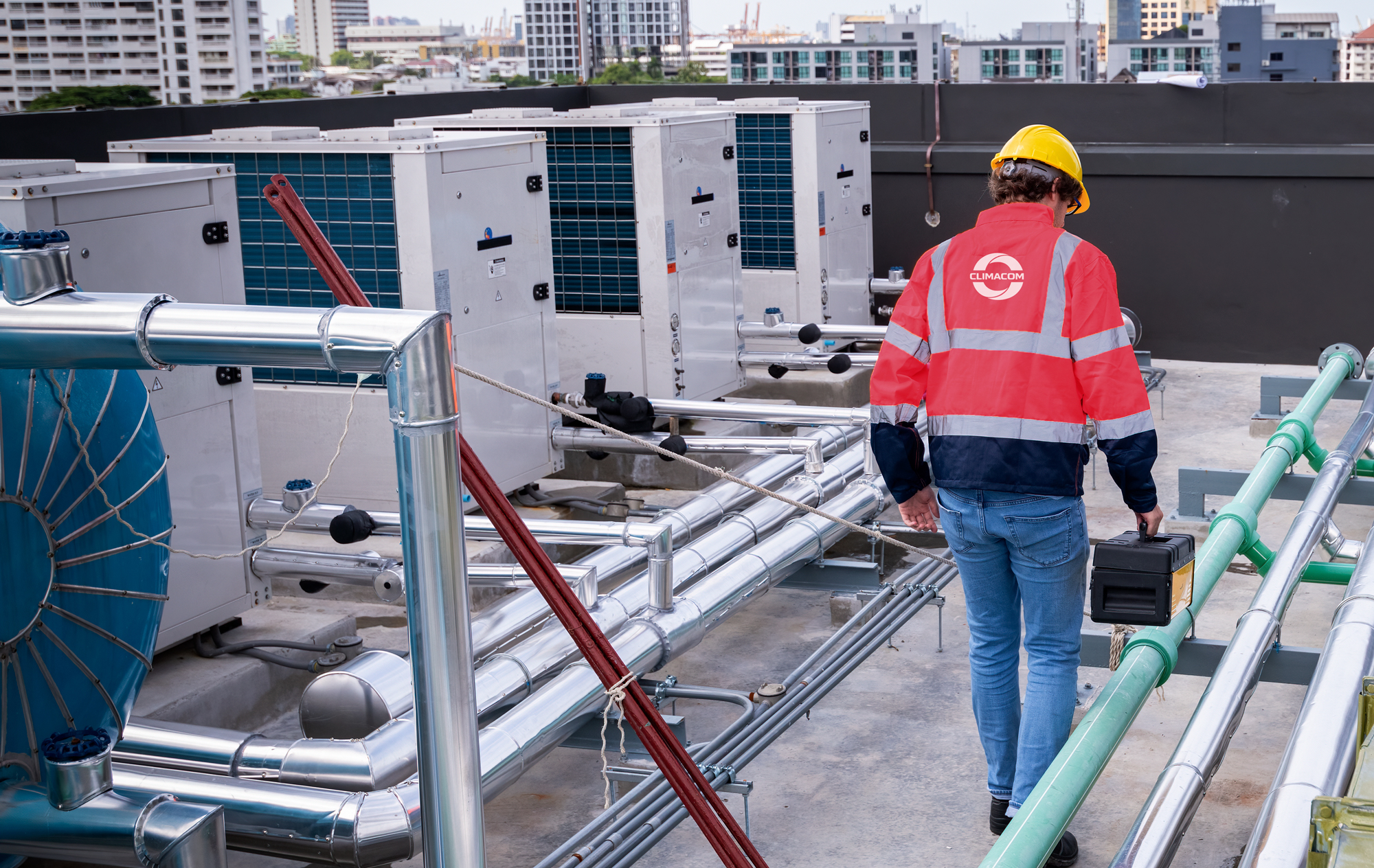
When comparing air conditioning companies, the useful evidence is how the project is thought through not just how quickly a product can be quoted.
The recommendation should explain why split, multi split, ducted or commercial architecture makes sense for the space.
Equipment locations, airflow, drainage, pipe routes, outdoor clearances and access should not be afterthoughts.
Reverse cycle air conditioning should be planned for how the property expects to use comfort across the year.
Filters, indoor units, roof space equipment and outdoor plant need practical maintenance access later.
A fault should be diagnosed before a replacement is treated as the automatic answer.
The best HVAC partner should help make the system choice clearer, not simply make the equipment list longer.
Comfort Systems supports split, multi split, ducted and commercial heating and cooling pathways for residential and business applications. The appropriate system depends on the property and intended use.
Yes. Reverse cycle air conditioning can provide both heating and cooling, and Comfort Systems considers year round comfort when discussing suitable system pathways.
Comfort Systems works with Daikin, Mitsubishi Heavy Industries Air Conditioners and Midea across relevant residential and commercial system categories.
Yes. The comparison should consider room coverage, appearance, installation space, outdoor equipment, control needs and how the property will use heating and cooling.
Tell Comfort Systems what type of property you have, which spaces need comfort and whether the project involves a new installation, maintenance, repair or replacement.