
Different indoor areas can form part of one coordinated system.
VRF Air Conditioning · Perth WA
VRF Air Conditioning Perth for Multi Zone Commercial Heating and Cooling
VRF air conditioning can connect multiple indoor zones to a coordinated outdoor system for commercial buildings where occupancy, room use and comfort requirements vary across the property. Comfort Systems approaches VRF projects as a complete building system, considering capacity, diversity, indoor unit selection, refrigerant piping, controls, access and long term servicing.
Architecture
Multi zone refrigerant system
Indoor Options
Cassette · ducted · wall · ceiling
Applications
Offices · hotels · retail · commercial
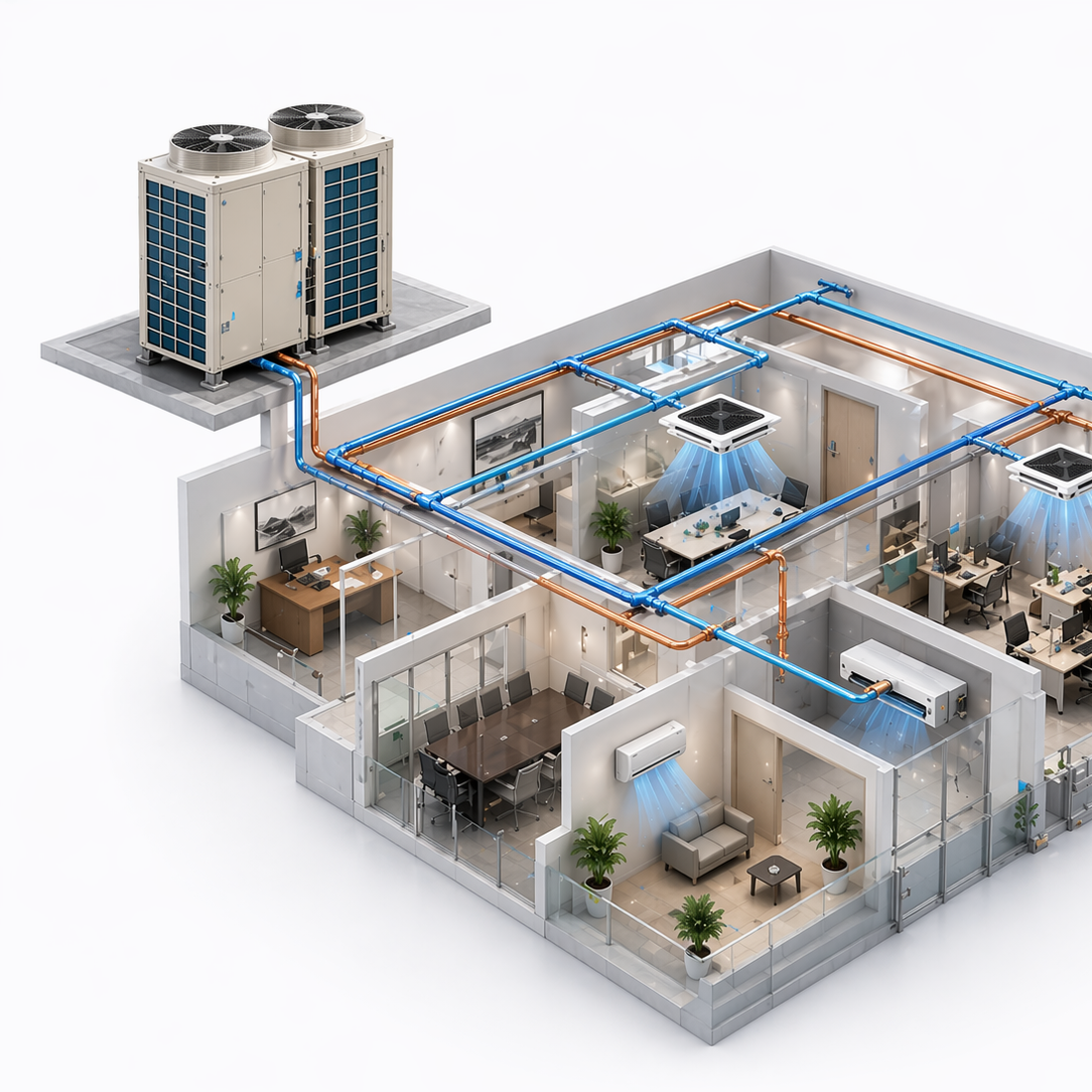
Commercial VRF Architecture
Outdoor plant, refrigerant distribution, indoor units and multiple conditioned zones planned as one system.
ZonesMultiple indoor areas
DistributionCoordinated refrigerant network
ControlsLocal and central options
Compatible ranges can include cassette, ducted and wall units.
Suitable architecture depends on the project and system range.
Control options vary by manufacturer and system configuration.
Outdoor modules, indoor units and branch components require access.
VRF stands for Variable Refrigerant Flow. It describes an air conditioning architecture where refrigerant is distributed through a coordinated piping network to multiple compatible indoor units connected to one or more outdoor modules.
Unlike a collection of completely independent split systems, a VRF installation is designed as one connected refrigeration and control system. The outdoor system varies its operation as conditioned zones change demand, while individual indoor areas can have their own compatible controls and operating requirements.
VRF design is therefore more than selecting indoor units. Connected capacity, building load, diversity, pipe lengths, elevation differences, branch arrangements, control architecture, condensate drainage, electrical requirements and maintenance access all become part of the project.
Shared Distribution Network
Compatible indoor units are connected through a designed refrigerant pipe system rather than operating as unrelated installations.
Variable System Operation
The system responds to changing demand across connected zones within manufacturer and design limits.
Multiple Indoor Areas
Offices, meeting rooms, guestrooms or retail zones can use compatible indoor unit types according to the system design.
Local and Central Management
Compatible systems can support individual room controls and broader centralised management options.
VRF vs VRV
VRF vs VRV Air Conditioning Explained for Commercial Projects
VRF is the generic industry term for Variable Refrigerant Flow systems. VRV is a trademark used by Daikin for its Variable Refrigerant Volume commercial air conditioning systems.
VRF
Variable Refrigerant Flow is the broad system category used across multiple HVAC manufacturers.
VRV
VRV is Daikin Industries' trademarked terminology for its commercial variable refrigerant system range.
VRF System Architecture
VRF System Design from Outdoor Plant to Indoor Commercial Zones
The finished indoor comfort depends on multiple connected design layers working together rather than one isolated piece of equipment.
01
Outdoor Plant
VRF Outdoor Module or Modular Combination
Outdoor equipment provides the core refrigeration capacity. Larger systems may use modular outdoor arrangements according to manufacturer design rules.
02
Refrigerant Network
Main Piping, Branching and Vertical Distribution
Pipe diameters, branch components, equivalent lengths and elevation limits are system design considerations and must follow the selected manufacturer's engineering requirements.
03
Indoor Units
Match Each Zone With an Appropriate Indoor Interface
Compatible cassette, concealed ducted, wall mounted, ceiling or other indoor unit types can be selected according to the room and product range.
04
Controls
Local Comfort and Central Building Management
Room controllers, central interfaces and building management integration may be available depending on the selected manufacturer and control architecture.
05
Lifecycle
Commissioning, Monitoring and Ongoing Service
A commercial system needs practical access to indoor units, outdoor plant, controls, drains and serviceable components throughout its operating life.
VRF Indoor Unit Ecosystem
VRF Indoor Unit Options for Different Commercial Spaces
Compatible indoor unit selection allows the HVAC interface to respond to different ceilings, room layouts and architectural requirements across one project.
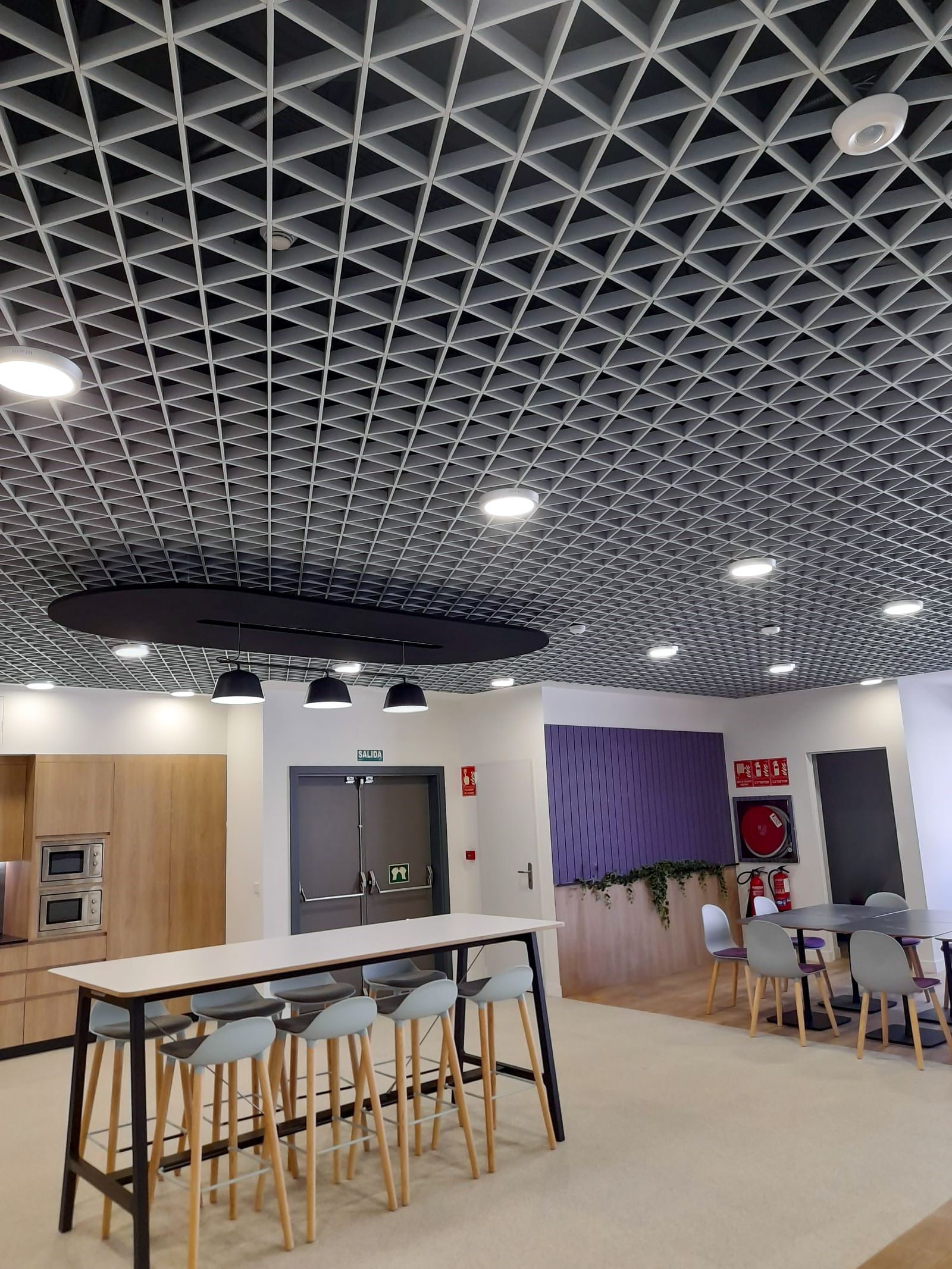
Ceiling Cassette
Open Office and Commercial Floor Areas
Cassette configurations can provide ceiling integrated air distribution where building conditions suit the selected indoor unit.
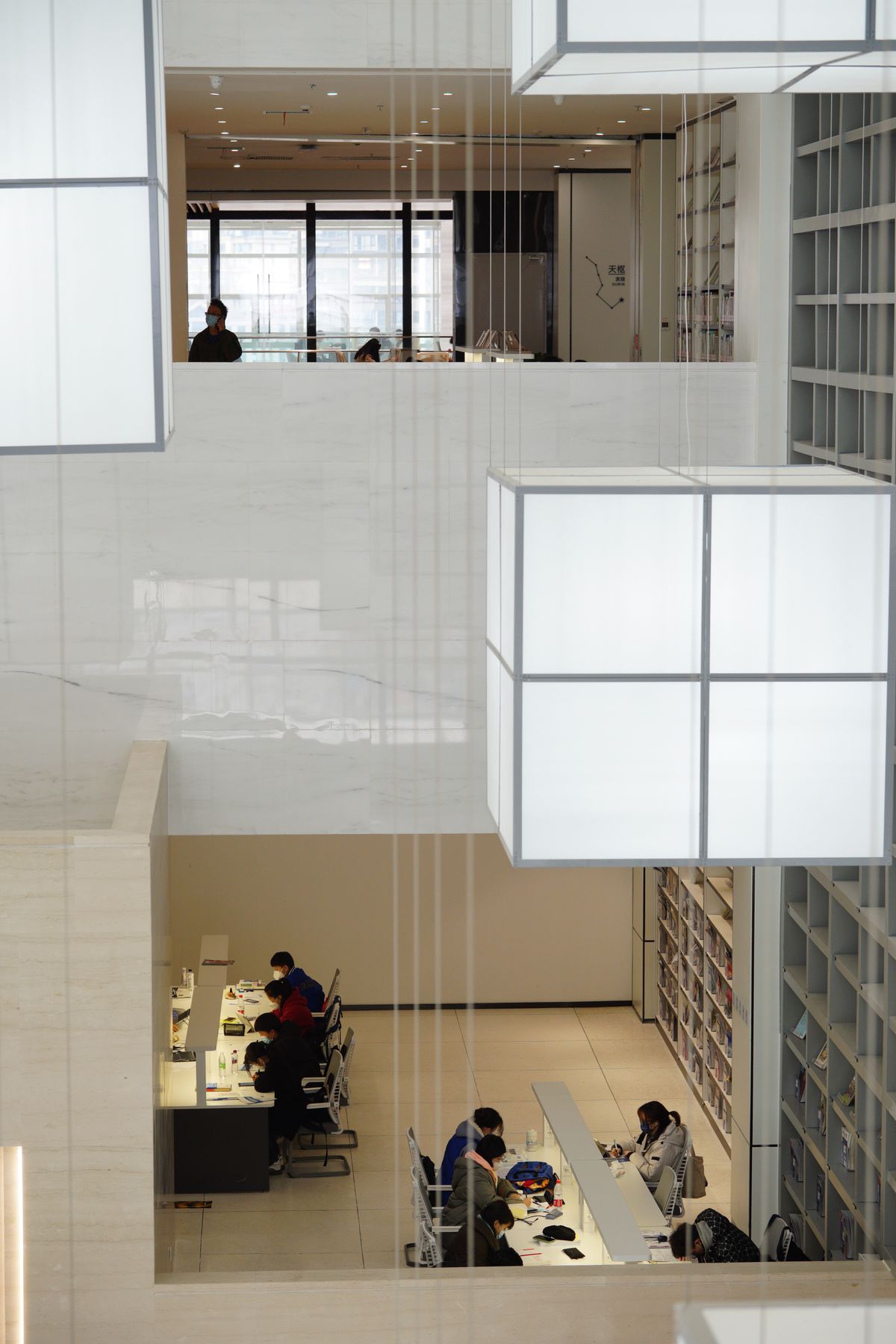
Concealed Ducted
Discreet Zone Integration
Concealed indoor equipment can serve selected areas through short ducted distribution.
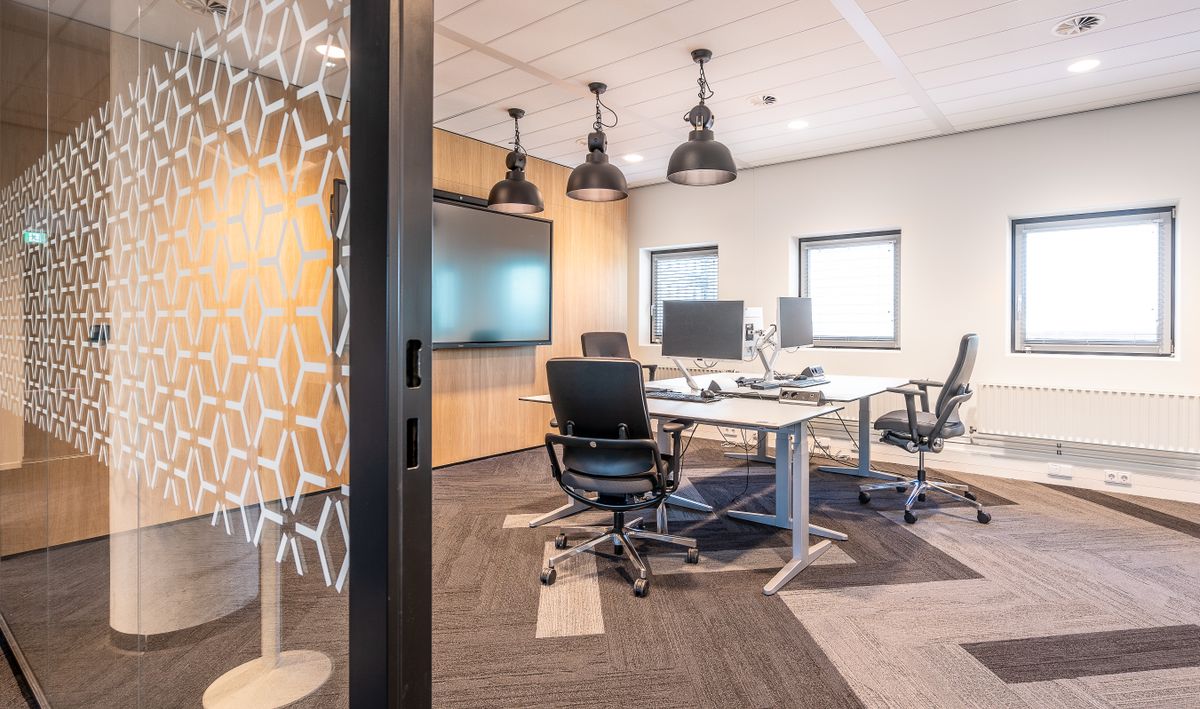
Meeting Zones
Different Loads and Schedules
Meeting spaces can have occupancy patterns that differ significantly from general office zones.
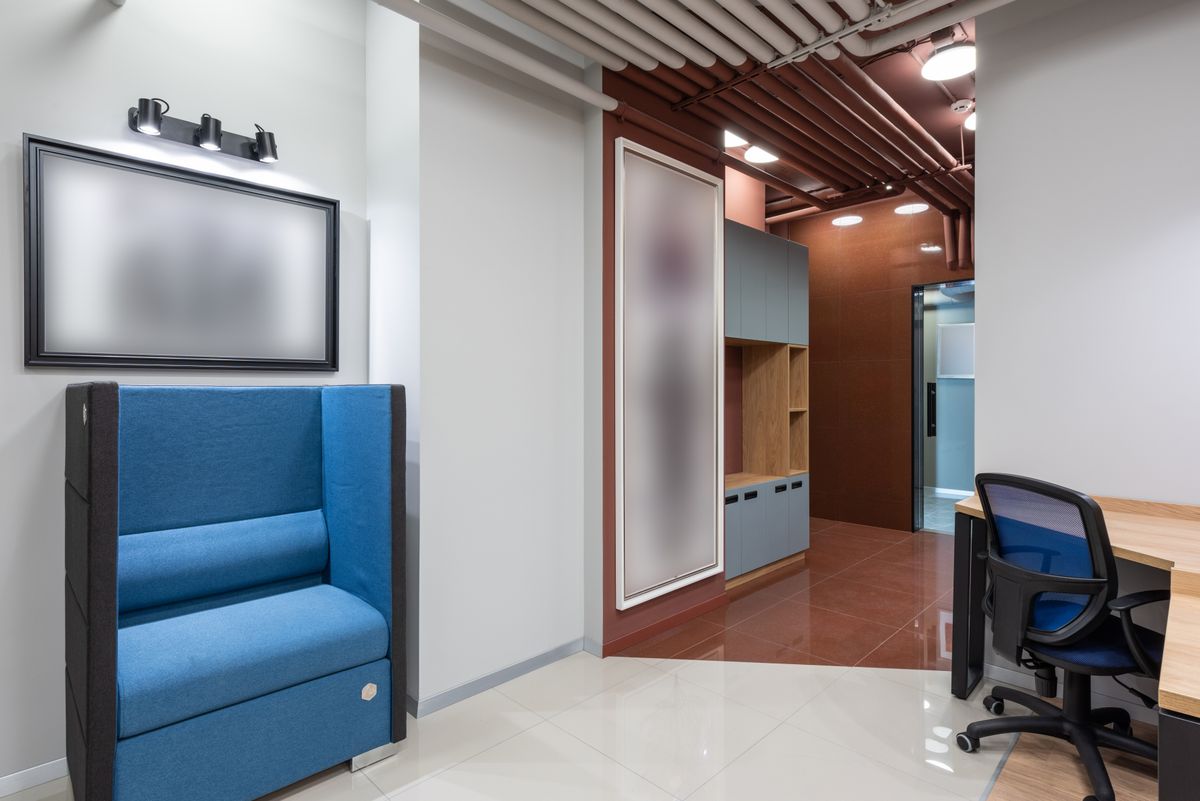
Wall or Ceiling Units
Project Specific Indoor Options
Compatible ranges can provide alternative indoor units when ceiling or architectural conditions differ.
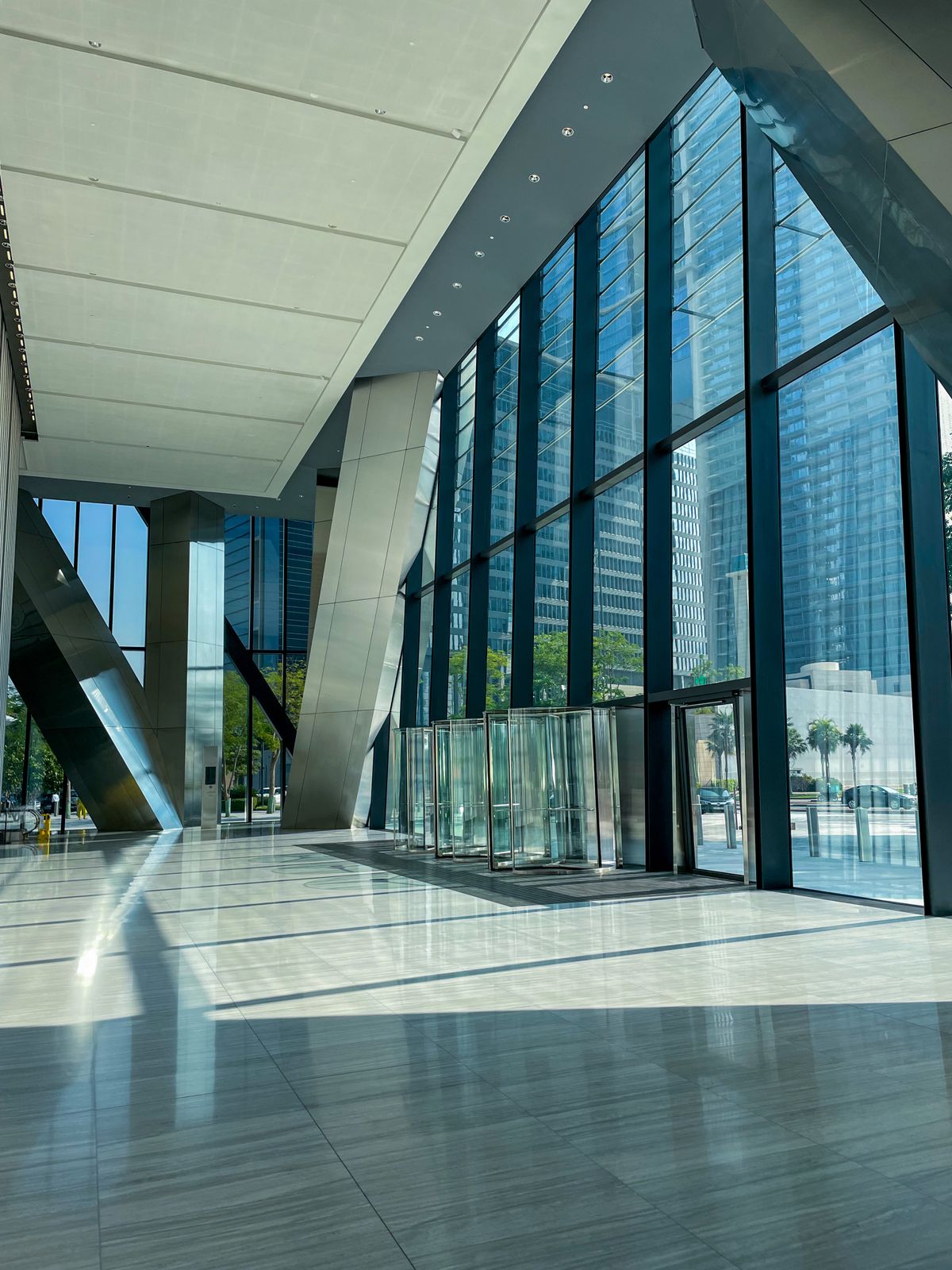
Public Areas
Lobby and Reception Zones
Larger public areas require load, airflow and indoor equipment decisions tailored to the space.
VRF Operating Architectures
Heat Pump VRF vs Heat Recovery VRF for Commercial Buildings
The exact architecture available depends on the selected manufacturer and product range. Not every VRF project requires heat recovery.
Coordinated Heating or Cooling
In a conventional heat pump VRF architecture, connected indoor zones generally operate within the system's selected heating or cooling mode according to the manufacturer's configuration.
Multi zone commercial comfort
Variable system demand
Compatible indoor unit selection
Suitable where simultaneous opposite modes are not required
Simultaneous Zone Requirements Where Supported
Heat recovery VRF architectures can support more complex buildings where different connected zones may require heating and cooling at the same time, subject to the selected system design.
Mixed zone demand
More complex refrigerant architecture
Branch control components may be required
Product specific design and commissioning
VRF Commercial Applications Perth
VRF Air Conditioning for Perth Offices, Hotels, Retail and Commercial Buildings
VRF is not automatically the right answer for every commercial property. Its strengths become relevant when zoning, indoor unit flexibility and coordinated system control solve real building requirements.
Corporate Workplaces
Open work areas, meeting rooms, offices and reception zones can create different occupancy and load profiles.
Hotels and Accommodation
Guestrooms and shared spaces can require separate control patterns and operating schedules.
Stores and Showrooms
Retail floors, back of house areas and staff spaces may require different indoor system solutions.
Suitable Healthcare Areas
Some healthcare and consulting spaces may use VRF, subject to applicable ventilation, compliance and clinical requirements.
Training and Learning Spaces
Rooms with changing schedules can benefit from individual zone control where the system is suitable.
Multi Tenancy Buildings
Different areas may operate at different times, creating a stronger need for coordinated zoning.
Dining and Support Areas
Dining, circulation and support spaces can have different loads and comfort requirements.
Complex Residential Projects
Some larger or architecturally complex residences may justify VRF style zoning where appropriate.
VRF Controls and Building Management
VRF Controls and Building Management for Commercial HVAC
HVAC performance is not only about refrigeration. Controls determine how occupants interact with zones, how operating schedules are managed and how a facility team can oversee the wider system.
Room and Zone Interfaces
Compatible indoor zones may use local controllers for temperature and operating functions.
Building Wide Management
Compatible systems may support centralised oversight of multiple indoor units and operating schedules.
BMS Connectivity
Building management integration depends on the manufacturer, control platform and selected interfaces.
Scheduling and Access
Commercial control design can consider operating hours, user permissions and facility requirements.
VRF Design Considerations
VRF Air Conditioning Design for Building Loads, Piping and Controls
A commercial VRF system is an engineered network. These considerations need to be resolved together before the final equipment schedule is meaningful.
Zone Heating and Cooling Loads
Each conditioned area contributes to the overall system design and connected capacity.
Not Every Zone Peaks Together
Diversity assumptions must be appropriate for the actual building and selected system.
Length and Elevation Limits
Refrigerant piping must remain within manufacturer design limits and approved branch arrangements.
System Charge and Occupied Spaces
Refrigerant system design requires proper technical consideration of system volume and applicable requirements.
Match Equipment to Each Zone
Ceiling type, room geometry, airflow and interior design influence the indoor unit selection.
Design the Service Path
Indoor units, branch components, drains, controls and outdoor equipment need future access.
VRF Service and Maintenance Perth
VRF Air Conditioning Service and Maintenance for Commercial Systems
VRF maintenance should consider the system as a network. Outdoor modules, indoor units, filters, drain systems, controls and refrigerant related components all contribute to overall operation.
01
Indoor Unit Condition
Filters, coils, fans and drainage should be inspected according to the equipment and service plan.
02
Outdoor Modules
Outdoor equipment requires suitable airflow, access and technical inspection.
03
Controls and Fault History
Commercial diagnostics can include controller information and system fault history where available.
04
Refrigeration System
Refrigerant related work should be handled by appropriately authorised personnel.
Commercial HVAC Responsibility
VRF Installation Compliance and Commercial HVAC Responsibilities in WA
VRF projects combine refrigeration, electrical work, controls, drainage and building coordination. Work should be undertaken within the appropriate trade and licensing requirements for Western Australia.
Appropriate Electrical Licensing
Electrical work in Western Australia must be carried out by people holding the appropriate electrical licence for the work being performed.
Authorised Refrigerant Work
Refrigeration and refrigerant handling work should be performed by appropriately authorised personnel in accordance with applicable requirements.
Manufacturer Engineering Limits
Connected capacity, branch arrangements, pipe lengths and system configuration must follow the selected manufacturer's technical requirements.
Verify the Complete System
Commercial commissioning should confirm system operation, controls, drainage and relevant installation parameters before handover.
VRF stands for Variable Refrigerant Flow. It is a multi zone air conditioning architecture where compatible indoor units are connected through a designed refrigerant network to one or more outdoor modules. The system varies operation according to demand across the connected zones.
VRF is the generic industry term for Variable Refrigerant Flow. VRV is a trademark of Daikin Industries and is used for Daikin's Variable Refrigerant Volume commercial air conditioning systems.
VRF can be considered for commercial offices, hotels, retail properties, education facilities, mixed use buildings and other properties that contain multiple zones with different operating requirements. Suitability depends on the actual building and system design.
Compatible VRF product ranges can support multiple indoor unit types such as ceiling cassettes, concealed ducted units, wall mounted units and other configurations. The available combinations depend on the selected manufacturer and system.
Heat recovery VRF is a system architecture that can support simultaneous heating and cooling in different connected zones where the selected equipment and system design provide that capability. It is generally more complex than standard heat pump VRF.
It can be, but VRF is not automatically the best solution simply because a building has several rooms. Project size, zoning requirements, operating schedules, indoor unit types, installation cost and service requirements should all be considered.
Many commercial VRF ranges offer central control and building management integration options. Available protocols, interfaces and functionality depend on the manufacturer and selected control equipment.
Yes. A VRF installation contains multiple indoor units, outdoor equipment, drainage systems, controls and refrigeration components. Service requirements depend on the equipment, usage, environment and maintenance plan.
Neither architecture is universally better. VRF can provide flexible multi zone refrigerant based distribution, while central ducted systems can serve buildings through different air distribution strategies. The appropriate solution depends on building design, loads, ventilation requirements, controls, installation constraints and lifecycle needs.
VRF Air Conditioning Perth
Plan VRF Air Conditioning Around Building Zones, Loads and Controls
Share the building type, number of conditioned zones, operating requirements, indoor unit preferences and whether the project involves a new system, replacement or commercial upgrade. Comfort Systems can then assess whether VRF is an appropriate HVAC pathway.
VRF PROJECT FILE
Comfort Systems
Building
Office · hotel · retail · mixed use · commercial
System
Heat pump VRF · heat recovery where applicable
Indoor Units
Cassette · concealed ducted · wall · other compatible types
Engineering
Load · diversity · piping · branch design · controls
Lifecycle
Commissioning · access · controls · service strategy