
Ducted air conditioning cost in Perth can range from about $8,000 to $25,000 or more installed. For a straightforward family-home installation, around $12,000–$17,000 is a useful early budgeting range. The final price depends on the home, equipment, ductwork, zoning, electrical work and access. Compare complete written quotes, with GST and exclusions clearly stated.
Two quotes can name the same brand and still buy very different installations. One may include new ducts, room sensors and removal of the old equipment; the other may leave those items outside the headline price.
This guide helps you build a realistic budget and compare the scope behind each number. For a comparison across all system types, start with our Perth air conditioning cost guide.
Ducted Air Conditioning Cost in Perth: A Practical 2026 Budget
Current published Perth guides span a wide range because homes and installation scopes differ. Use these broad bands to start a conversation, then replace the allowance with a property-specific quote.
A starting allowance where capacity, access and the duct layout are relatively modest.
A useful initial budget for a more substantial residential system and installation.
Allow more for extensive coverage, difficult routes or a more involved installation.
The bands are not a measured Perth average and are not fixed packages. Published inclusions differ, so confirm GST, electrical work and any additional building work before comparing totals.
A compact four-bedroom house and a large three-bedroom home with high ceilings and extensive glazing can have very different heating and cooling requirements.
This guide covers residential reverse-cycle ducted air conditioning, which provides heating and cooling. It does not price evaporative systems or commercial projects. Our ducted air conditioning service page explains the system and available planning options.
What Actually Changes Your Installation Price?
Capacity and the building itself
Capacity is the system's heating or cooling output. The assessment should consider floor area, ceiling height, insulation, glazing, orientation and which rooms will operate together. In Perth, a large west-facing living area deserves particular attention when discussing afternoon cooling.
Ask how the proposed capacity was selected. Buying a larger unit without checking the design is not a reliable shortcut to better comfort. Our air conditioner sizing guide explains the questions to raise.
Ductwork, outlets and return air
The indoor unit is only one part of the installation. Ducts carry air to rooms; a return-air path brings it back. Their layout, insulation, sizing and access all affect the finished system. Ask how many outlets are included and where they will go.
Architectural grilles can change both the finish and the budget. Choose their style alongside the airflow design, rather than assuming every grille can be swapped at the end.

Access, electrical work and equipment location
A tight roof cavity, restricted side passage or two-storey layout can make installation more involved. The quote should identify access arrangements, outdoor-unit position, condensate drainage and electrical requirements.
Ask whether a switchboard assessment or upgrade is included, excluded or still to be confirmed. Do not assume the existing supply is suitable simply because the previous air conditioner used it. These checks belong with appropriately qualified tradespeople.
Equipment and controls
Compare exact model numbers, heating and cooling performance, controller functions and written warranty terms. A brand name by itself is not a specification. The most useful upgrade is one that addresses your home or how you use it.
The Quote Checklist That Makes Prices Comparable
Put each quote against the same list. A blank field is a question to resolve before paying a deposit, not an assumption to make in the installer's favour.
| Item | Ask the installer to confirm | Why it matters |
|---|---|---|
| Equipment | Exact indoor and outdoor models and selected capacity | Similar brand descriptions can hide different equipment. |
| Air distribution | New or reused ducts, insulation, outlet count and return air | Defines what is being installed behind the ceiling. |
| Zoning | Zones, sensors, controller and operating limitations | A zone count alone does not describe temperature control. |
| Site work | Electrical scope, drainage, access and making good | Exclusions can materially change the final bill. |
| Replacement work | Disconnection, removal and disposal arrangements | A new-unit price may exclude the old system. |
| Handover | Commissioning, controls demonstration and warranty documents | Confirms the installation is checked and explained. |
| Final amount | GST, variations, payment stages and quote validity | Makes the total and remaining uncertainty visible. |
Consider two hypothetical quotes: one includes new ductwork and electrical work; the other retains the ducts and excludes electrical changes. The second may show a lower initial price, but they are not yet equivalent offers. Ask each installer to price the same agreed scope.
If you have a floor plan and a list of the rooms you want to condition, send Comfort Systems your project details for a tailored quote.
Zoning: Pay for Control You Will Actually Use
Zoning allows selected areas to be controlled through the duct system. It can be useful when living areas are occupied during the day and bedrooms are used at night. It does not automatically make each room an independent air conditioner.
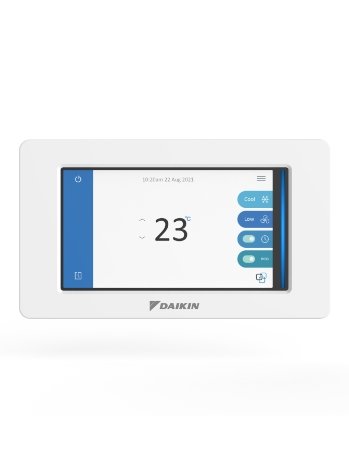
Ask what the controller can do: switch zones on and off, regulate airflow, use room temperature sensors, or provide app access. These are different features. Also ask which zones must remain open and how the design maintains the equipment's required airflow.
“If only our main bedroom needs cooling overnight, how will this exact system operate?” The answer is more useful than a promise that extra zones always save a fixed percentage.
Map your normal routine before choosing controls. Paying for features you rarely use can add complexity without solving a real problem. If only one or two rooms need conditioning, read our ducted versus split system comparison before committing to whole-home ductwork.
New Installation or Replacement: Different Budget Questions
New builds and substantial renovations
Discuss the system while ceiling space and installation routes can still be coordinated. Confirm who provides openings, electrical work, access panels and any finishing work. A builder's allowance and an air conditioning quote should describe compatible scopes.
Existing homes
Ask how the indoor unit and ducts can be installed and serviced afterwards. A quotation based only on a floor plan may need site checks before access costs and electrical requirements are settled.
Replacing an older ducted system
Existing ducts are not automatically suitable for new equipment. Their condition, dimensions, insulation and layout need assessment. Request separate clarity on what will be retained, what will be replaced and why.
Our air conditioning replacement service is the next step if your budget involves an existing system. Give the team the model details and known problems, without opening equipment or entering a roof space to collect them.
Installation Cost and Running Cost Are Different Numbers
A system's advertised cooling capacity is not the electricity it continuously draws. For example, a capacity figure in kilowatts describes useful heating or cooling output, while electrical input tells you how much power the equipment uses under stated conditions.
The Australian Government's air conditioner efficiency information explains the relationship between output and input. Ask for the selected model's performance data rather than estimating your bill from its capacity alone.
Average electrical input (kW) × operating hours × electricity usage rate ($/kWh).
For illustration only: an average input of 3 kW over 4 hours at $0.35/kWh costs $4.20. These are assumed values, not a measured ducted-system result or a current Perth tariff. Use the usage rate on your own bill.
Actual consumption changes with weather, set temperature, active rooms, building insulation and equipment operation. Daily supply charges are separate. Solar generation may offset some daytime grid use, but a daytime example does not predict evening costs.
For a fair comparison, ask installers to explain the assumptions behind any running-cost estimate. A quote promising a precise annual saving without describing the home and usage deserves more questions.
Where to Save Without Creating a False Economy
Start by clarifying the essentials: suitable equipment, a sensible duct design, safe electrical work, appropriate drainage and practical service access. These are more consequential than choosing a controller solely for its appearance.
- Define the actual coverage. Explain which rooms need to operate together, instead of asking for the biggest available unit.
- Price optional finishes separately. This makes premium grilles or extra control features easier to assess.
- Resolve exclusions before accepting. Ask for written variation arrangements for items that cannot yet be confirmed.
- Plan ongoing care. Check filter access and the manufacturer's maintenance requirements at handover.
Our aircon service cost guide helps you think beyond the purchase price. Routine maintenance and future repairs are separate budget items, not costs that disappear when the installation is complete.
You can safely collect floor plans, list comfort problems and photograph accessible labels. Leave roof-space inspections, electrical assessments and refrigerant work to appropriately qualified people.
Plan Your Ducted Installation with Reliable Guidance
Match the next step to your project. Explore new-home air conditioning planning, understand our installation assessment process, compare air conditioning brands using exact models, and plan ongoing servicing and maintenance.
Manufacturer and government resources
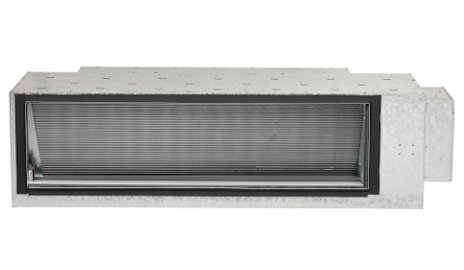
- Daikin ducted system information explains concealed equipment and system choices. The interior, equipment and controller images shown are manufacturer illustrations, not Comfort Systems installation photographs.
- Daikin's explanation of zoning describes how dampers regulate airflow inside ducts. Check compatibility with your proposed equipment.
- Your Home heating and cooling guidance helps you consider the rooms you use and your building's performance.
- Australian Government insulation and draught-proofing advice explains improvements to discuss alongside your air conditioning plans.
Use these resources to prepare questions. Your written quote should still identify the equipment and installation scope for your own property.
For additional Australian guidance, compare models with the Australian Government Energy Rating Calculator, review energy.gov.au heating and cooling guidance, and check refrigerant licensing information through the Australian Refrigeration Council.
Frequently Asked Questions
How much should I budget for ducted air conditioning in a four-bedroom Perth home?
Around $12,000–$17,000 is a useful early planning allowance for a straightforward family-home installation. A large living area, two storeys, difficult access or more sophisticated controls can push the quote higher. Bedroom count alone cannot establish the required capacity.
Does an advertised ducted price include everything?
Not necessarily. Check GST, the exact indoor and outdoor models, zones, outlets, electrical work, removal, commissioning and exclusions. Ask for the complete installed amount for your property rather than assuming an advertised starting price covers your home.
Can I reuse the ducts when replacing my air conditioner?
Sometimes, following inspection. Their condition, insulation, size, layout and compatibility with the replacement system all matter. Reusing unsuitable ducts can undermine the new equipment, so request a written explanation of what stays and what changes.
Will zoning cut the electricity bill in half?
There is no universal percentage saving. Zoning can reduce unnecessary conditioning, but consumption also depends on the equipment, minimum airflow requirements, weather, insulation and how the home is used. Ask how the proposed design performs with your usual combination of rooms operating.
Is reverse-cycle ducted air conditioning the same as evaporative cooling?
No. Reverse-cycle ducted equipment uses refrigeration to provide heating and cooling. Evaporative cooling is a different technology with different operating conditions and installation requirements. Compare quotes for the same system type.
Can I get an accurate quote from a floor plan?
A floor plan is a useful starting point, particularly for a new build. An existing home may also need an assessment of access, electrical supply and installation routes. Ask which assumptions must be checked before the price becomes final.