
Air conditioner electricity use depends mainly on the system's electrical input and how long it operates. If a system averages 1.2 kW of electrical input for five hours, it uses about 6 kWh. At WA's current A1 usage rate of 33.2621 cents per kWh, that example costs about $2.00 in usage charges.
The important word is input. A system advertised as “5.0 kW” is normally describing how much cooling or heating it can deliver, not 5.0 kW of electricity being drawn continuously from the grid.
If you are wondering how much electricity an air conditioner uses, the useful number is not simply the cooling capacity printed on the unit. Look at electrical input, operating time and annual kWh information instead.
That distinction is why two homes with apparently similar air conditioners can see very different power bills. The unit's efficiency, inverter operation, room size, insulation, set temperature, weather and operating hours all change the result.
First, Separate kW From kWh — They Are Not the Same Thing
This is the part that causes most confusion. Air conditioners use several different “kW” numbers, and they describe different things.
How much heating or cooling the system can deliver. This is the figure commonly used when a unit is described as 2.5 kW, 5.0 kW or 7.1 kW.
How quickly the air conditioner is using electricity at a particular operating point.
The amount of electricity used over time. Electricity retailers bill consumption in kilowatt-hours.
The Australian Government's Zoned Energy Rating Label guidance separates output capacity from estimated annual energy use. For non-ducted air conditioners, the label can show both heating and cooling performance for Australian climate zones.

Reverse-cycle air conditioners move heat rather than creating all heating or cooling directly from electricity. Australian Government guidance notes that reverse-cycle systems can deliver several units of heating or cooling for each unit of electrical energy used.
How Much Electricity Does an Air Conditioner Use Per Hour?
For one hour, air conditioner electricity use in kWh is simply the average electrical input in kW multiplied by one hour. An inverter system may change its input continuously, so “average input” is more useful than assuming the compressor stays at maximum power.
To turn electricity use into a cost, multiply the kWh by your electricity usage rate. The current WA Government A1 residential usage charge is 33.2621 cents per kWh from 1 July 2026. Your own tariff or plan may differ, so use the rate shown on your bill for the most relevant estimate.
| Illustrative average input | Electricity in 1 hour | Approx. cost for 1 hour | Approx. cost for 4 hours | Approx. cost for 8 hours |
|---|---|---|---|---|
| 0.5 kW | 0.5 kWh | $0.17 | $0.67 | $1.33 |
| 0.8 kW | 0.8 kWh | $0.27 | $1.06 | $2.13 |
| 1.2 kW | 1.2 kWh | $0.40 | $1.60 | $3.19 |
| 2.0 kW | 2.0 kWh | $0.67 | $2.66 | $5.32 |
| 3.0 kW | 3.0 kWh | $1.00 | $3.99 | $7.98 |
If your unit says 7.1 kW cooling capacity, do not automatically multiply 7.1 by your electricity tariff. Find the electrical input in the specification, use a measured consumption figure, or compare the annual kWh shown by the Energy Rating system.
Split System, Multi Split or Ducted: Which Uses More Electricity?
System type matters, but the fairest comparison is based on what is being conditioned. Cooling one bedroom with a single split system is a very different job from cooling several rooms across a family home.
Split System
Often efficient when you only need to heat or cool one room or one open-plan area. For a single occupied room, air conditioner electricity use can be easier to control because you are not conditioning unused areas.
Multi Split
One outdoor unit can serve multiple indoor units. Total consumption depends heavily on how many indoor units operate at the same time and at what load.
Ducted Air Conditioning
Ducted systems condition larger areas and use ductwork and a larger fan. With ducted systems, air conditioner electricity use depends heavily on capacity, zoning strategy and how many areas operate at the same time.
Australian Government guidance notes that ducted systems can be less efficient than wall-mounted units because of the larger fan and energy losses through ductwork. That does not make ducted air conditioning the wrong choice; it means whole-home comfort should be compared against whole-home energy use rather than against a single room unit.
If you are deciding which layout suits your home, compare our ducted vs split air conditioning guide, split system options and ducted air conditioning in Perth.
Air Conditioner Electricity Use: What Actually Changes the Number?
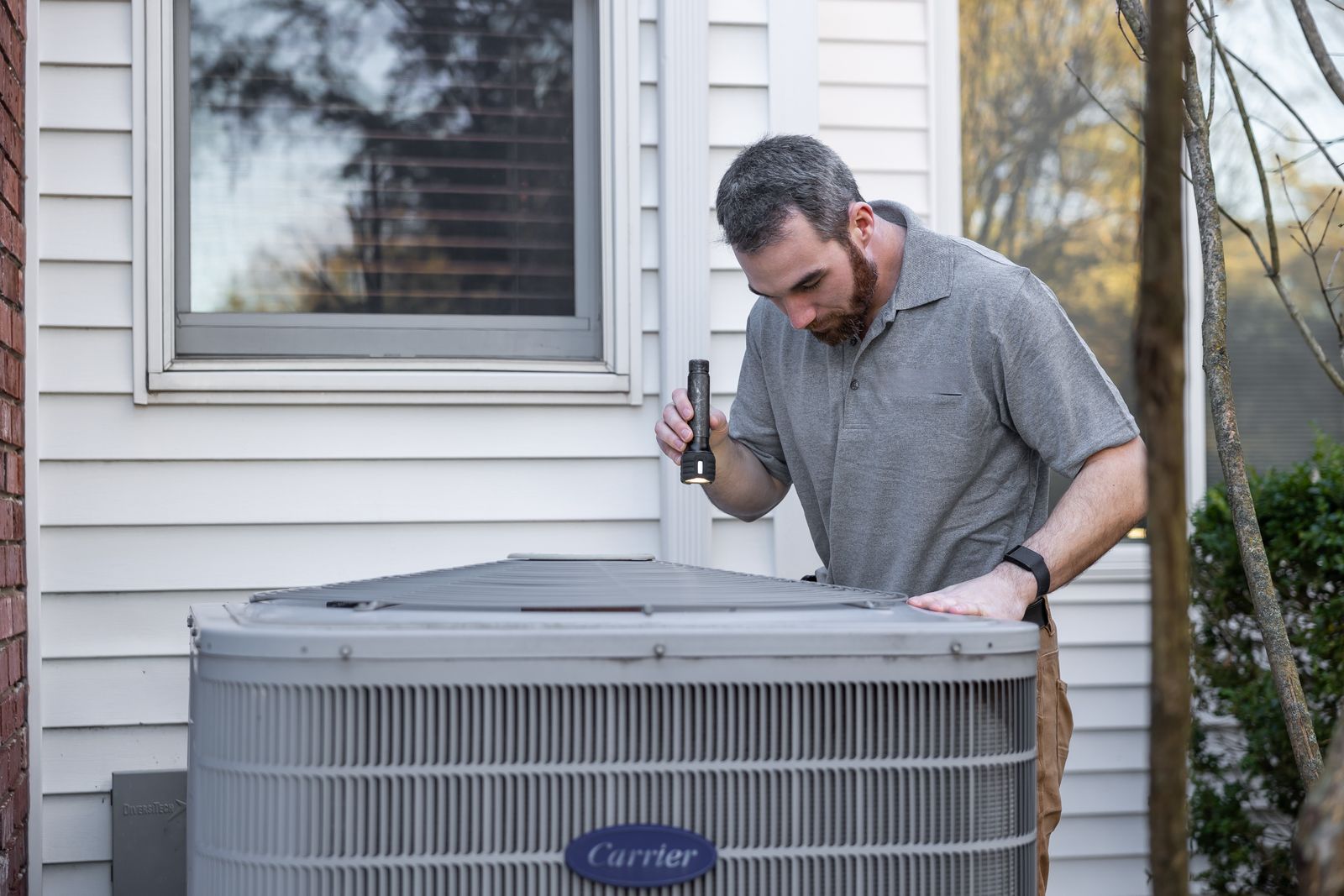
Two homes can have the same model and still record very different consumption. Air conditioner electricity use is shaped by how hard the system needs to work, not by the nameplate capacity alone.
- Outdoor temperature and direct sun exposure
- Thermostat setting
- Room size and ceiling height
- Insulation and draughts
- Large west-facing windows
- How many ducted zones are open
- Filter and coil condition
- Equipment sizing and efficiency
- Doors and windows left open
- How long the system runs
For Perth homes, late-afternoon solar heat can be especially noticeable in rooms with large west-facing glazing. The air conditioner may run harder even though the set temperature has not changed.
Australian Government bench testing of refrigeration and air-conditioning equipment found average energy losses of 14% to 20% across most tests when common faults such as blocked coils or incorrect refrigerant charge were introduced. A high bill does not prove a fault, but a clear change in performance deserves investigation.
What Is Considered Efficient Air Conditioner Electricity Use?
There is no single electricity-use number that automatically makes an air conditioner efficient or inefficient. A larger system naturally needs more power than a small bedroom unit, so consumption needs to be considered alongside the amount of heating or cooling being delivered.
A better comparison is the system's energy-efficiency information, annual energy-use estimate and Zoned Energy Rating Label where available. Two air conditioners with similar cooling capacities can have different annual electricity-use figures.
Correct system sizing, clean filters, sensible zoning and reasonable thermostat settings all help efficient equipment perform as intended. An efficient model that is badly sized or poorly maintained can still run longer than necessary.
If air conditioner electricity use rises suddenly without a matching change in weather or operating hours, it may be worth arranging an air conditioning service rather than assuming the higher bill is normal.
Seven Practical Ways to Reduce Air Conditioner Electricity Use
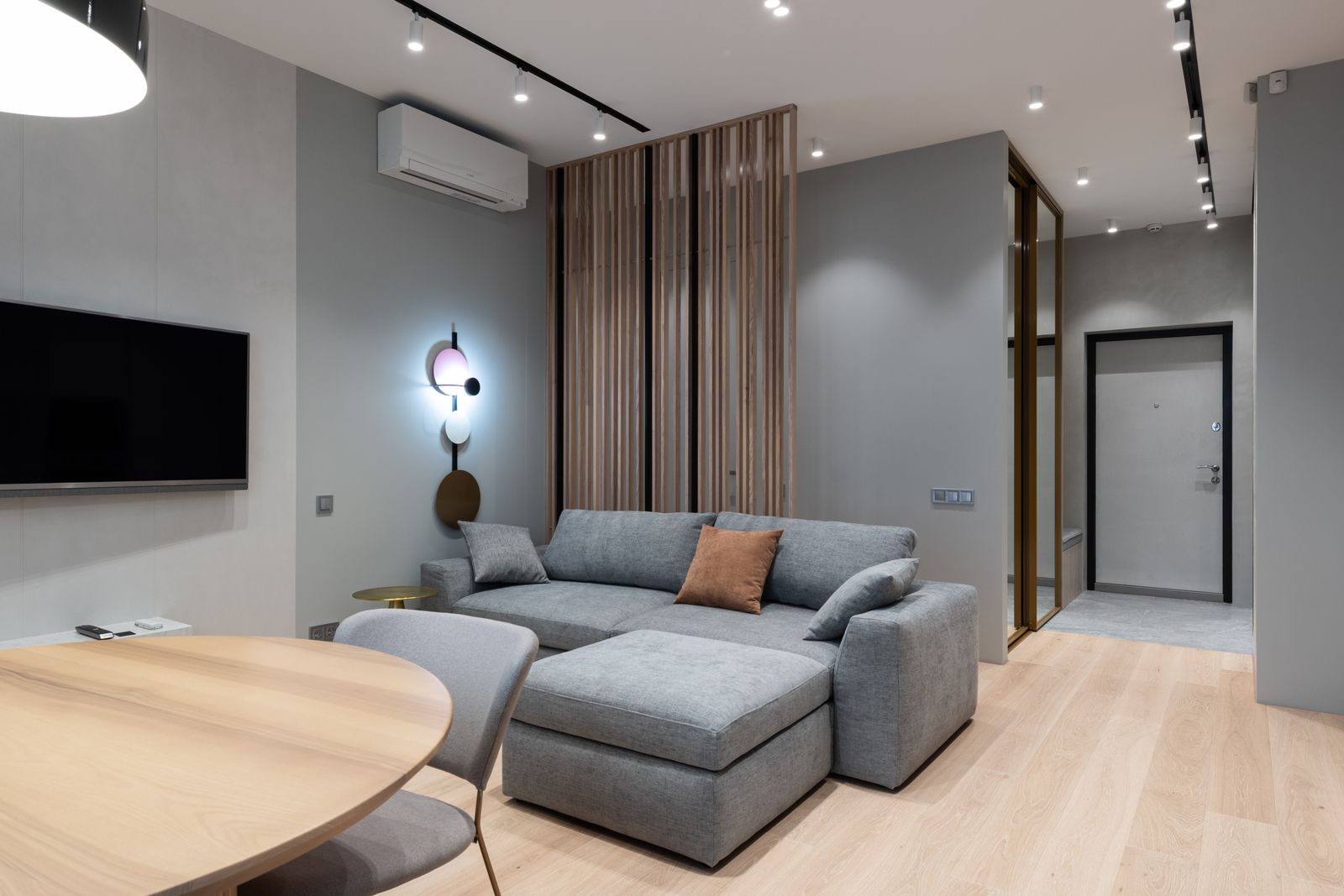
Reducing air conditioner electricity use is usually about lowering unnecessary workload rather than sacrificing comfort. The best savings come from reducing the amount of heat the system has to remove, then operating it sensibly.
Use a sensible summer set temperature
Australian Government guidance recommends avoiding unnecessary over-cooling. Each extra degree of cooling can increase energy use by about 5% to 10%.
Cool the rooms you are actually using
Close doors to unused rooms where appropriate, or use ducted zoning as designed rather than conditioning the entire home by default.
Keep heat out before it enters
External shading, curtains, blinds, insulation and draught sealing reduce the cooling load before the compressor has to deal with it.
Keep user-accessible filters clean
A heavily restricted filter reduces airflow and can make rooms slower to reach temperature. Follow the manufacturer's cleaning instructions.
Do not block the outdoor unit
Keep obvious leaves, storage and other obstructions away from the outdoor unit's airflow. Do not open electrical or refrigerant compartments.
Use timers or schedules instead of running it empty
A well-planned schedule can prevent hours of unnecessary operation when nobody is home.
Investigate a sudden change in consumption
If electricity use rises alongside weak airflow, poor cooling, unusual noises, icing or longer run times, the system may need professional assessment.
Is your air conditioner running longer than it used to?
If comfort has dropped at the same time as energy use has increased, a service or fault diagnosis can help separate normal seasonal demand from an equipment problem.
How to Estimate Your Own Air Conditioner's Electricity Use
The most accurate way to estimate your own air conditioner electricity use is to work from your actual model and electricity plan rather than a national “average”.
1. Find the model number
Use the accessible manufacturer label, manual or product documentation. Do not remove covers or enter unsafe roof spaces just to find it.
2. Look for electrical input or annual kWh
For a non-ducted system, the Australian Government Energy Rating Calculator can help compare registered models and expected energy use by climate zone.
3. Use your electricity usage rate
Convert cents per kWh to dollars per kWh. For example, 33.2621 cents becomes $0.332621 per kWh.
4. Compare the estimate with real behaviour
Weather, set temperature and inverter modulation mean one hot day can look very different from a mild day. Treat the calculation as a planning tool, not a guaranteed bill.
What Matters Most for Perth Homes?
Perth's summer conditions can make air conditioner electricity use highly seasonal. Perth sits in the Average climate zone used by Australia's Zoned Energy Rating Label. That matters because the label assesses heating and cooling performance differently across hot, average and cold zones.
Perth households also have a clear local reference point for electricity pricing. The Western Australian Government lists the A1 residential usage charge at 33.2621 cents per kWh from 1 July 2026, with a separate daily supply charge. If you are on another plan, use the actual rate on your bill instead.
Australian Government guidance says heating and cooling can account for around 20% to 50% of household energy use depending on climate. That is why system sizing, shading, insulation, sensible controls and maintenance can have a meaningful impact over a Perth summer.
Afternoon sun, large windows and poor shading can keep the cooling load high even after the room initially reaches temperature.
Condition the areas you need, but follow the system's airflow requirements rather than closing zones without understanding the design.
If the same system heats in winter, compare both heating and cooling energy performance rather than looking only at summer efficiency.
If you are selecting a new system, our air conditioning cost guide gives broader budget context, our air conditioner sizing guide explains why floor area alone is not enough, while our air conditioning brands guide helps you compare equipment more carefully.
Frequently Asked Questions
How much electricity does an air conditioner use per hour?
It depends on the system's average electrical input. A unit averaging 1.0 kW for one hour uses about 1.0 kWh. An inverter air conditioner can vary its input as the load changes, so consumption is not necessarily constant.
Does a 5 kW air conditioner use 5 kW of electricity?
Usually no. The 5 kW figure normally describes cooling or heating output capacity. Electrical input is a separate specification and is the figure relevant to electricity use.
How much does it cost to run an air conditioner for 8 hours in Perth?
Multiply the system's average electrical input by 8 hours, then multiply the result by your electricity usage rate. At 33.2621 cents per kWh, a system averaging 1.2 kW would use 9.6 kWh and cost about $3.19 in usage charges over eight hours.
Is ducted air conditioning expensive to run?
Ducted systems can use more total electricity because they condition larger areas and have fan and duct losses. Zoning can reduce unnecessary conditioning, but actual use depends on system size, design, weather, insulation and how many areas operate together.
What temperature should I set my air conditioner to save electricity?
Australian Government guidance recommends avoiding excessive cooling and notes that each extra degree of cooling can increase energy use by about 5% to 10%. Your comfort, health needs and conditions still matter.
Can a dirty air conditioner use more electricity?
Yes. Restricted airflow and other faults can make equipment less efficient. Keep user-accessible filters clean according to the manufacturer and arrange professional servicing when performance changes or maintenance is due.
Why has my air conditioner electricity use suddenly increased?
Higher consumption can result from hotter weather, longer operating hours, changed thermostat settings, restricted airflow or an equipment problem. If usage changes significantly without an obvious reason, professional inspection may be worthwhile.
Australian Sources Used for This Guide
Energy use changes by property and equipment, so this guide relies on government sources for the core calculations, energy-label information and Perth electricity reference rate.
Supports guidance on household heating/cooling energy use, thermostat settings, reverse-cycle efficiency, maintenance and ducted-system losses.
Supports the distinction between capacity and annual energy use, climate-zone ratings and model comparison.
Provides the regulated A1 residential usage charge current from 1 July 2026.
Allows consumers to compare registered air conditioner models and estimated energy use for their climate zone.